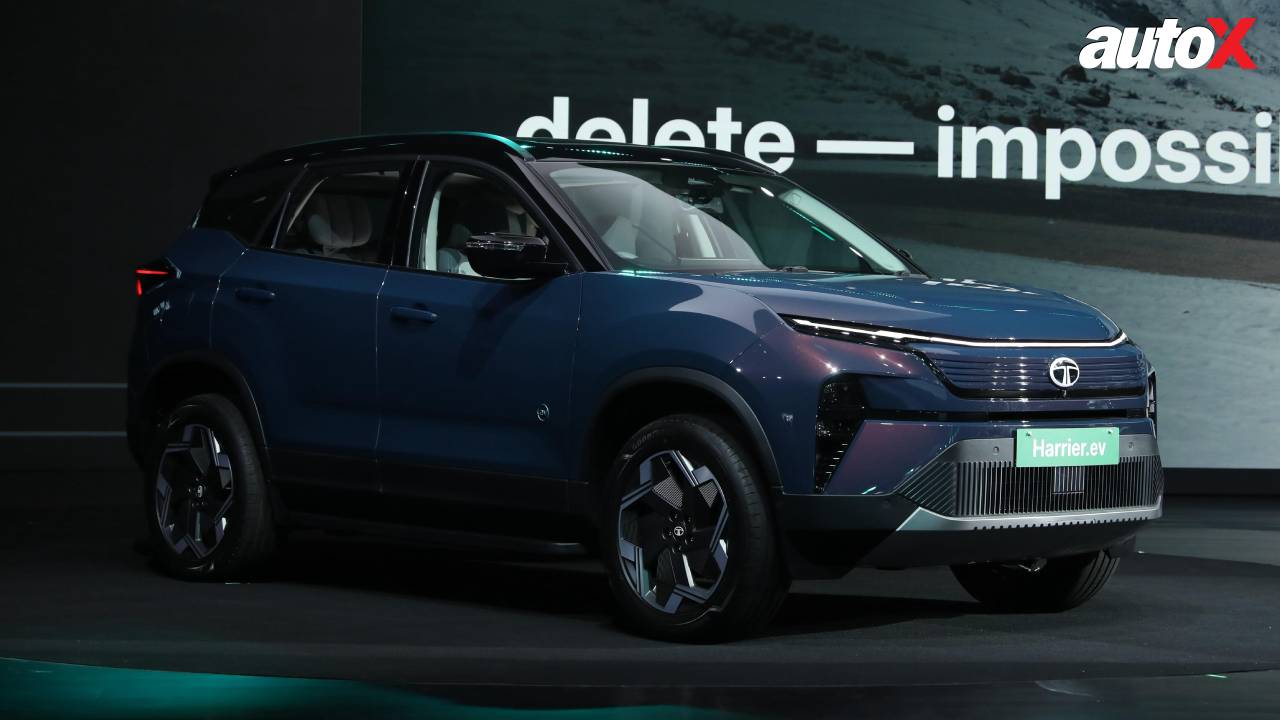
Mahindra XUV 3XO EV vs Tata Nexon EV – Price, Range, and Features Compared
Here's how the newly-launched Mahindra XUV 3XO stacks up against the popular Tata Nexon EV on parameters such as performance, price, and features.
By Sanorita

-1767849732179.webp "Mahindra XUV 3XO EV (2)")
India’s electric car market has a new entrant in the form of the Mahindra XUV 3XO EV. As its name indicates, this model is the all-electric version of the XUV 3XO, carrying forward the same design philosophy and feature set. In a highly competitive segment, the Mahindra EV goes up against several established rivals, most notably the popular Tata Nexon EV. Here, we compare both electric SUVs across key parameters such as pricing, range, features, and specifications to determine which delivers better value for money.
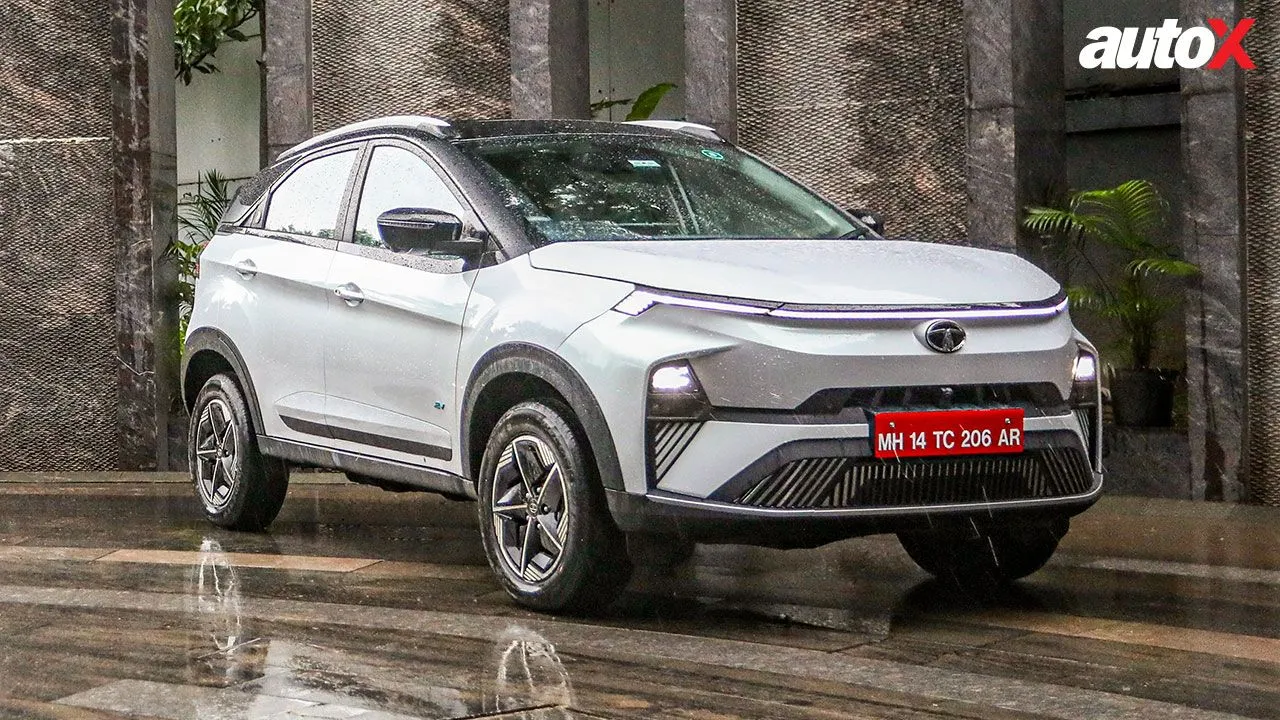
Mahindra XUV 3XO EV vs Tata Nexon EV: Battery, Range, Charging
Mahindra has equipped the XUV 3XO EV with a single 39.4kWh battery sourced from the XUV400 EV, which churns out a power output of 148bhp and a peak torque of 310Nm. This setup enables a 0-100km/h acceleration time of 8.3 seconds, and a real-world driving range of around 285 kilometres. Fast-charging capabilities allow the battery to replenish from 0 to 80% in about 50 minutes using a 50kW DC charger.
Also Read: Mahindra XUV 3XO EV Launched in India at Rs 13.89 Lakh
Tata car, meanwhile, offers greater flexibility with two battery options. The 30kWh variant produces 127bhp and 215Nm of torque, offering a claimed driving range of 275 kilometres. Meanwhile, the larger 45kWh battery increases power to 142bhp, retains the same torque output, and significantly improves the range to 489 kilometres. The long-range Tata EV supports faster charging, reaching a 10 to 80 percent charge in just 40 minutes with a 60kW DC fast charger. Meanwhile, the Medium Range version takes slightly longer, completing the same charge window in approximately 45 to 56 minutes when connected to a 50kW DC fast charger.
Mahindra XUV 3XO EV vs Tata Nexon EV: Features
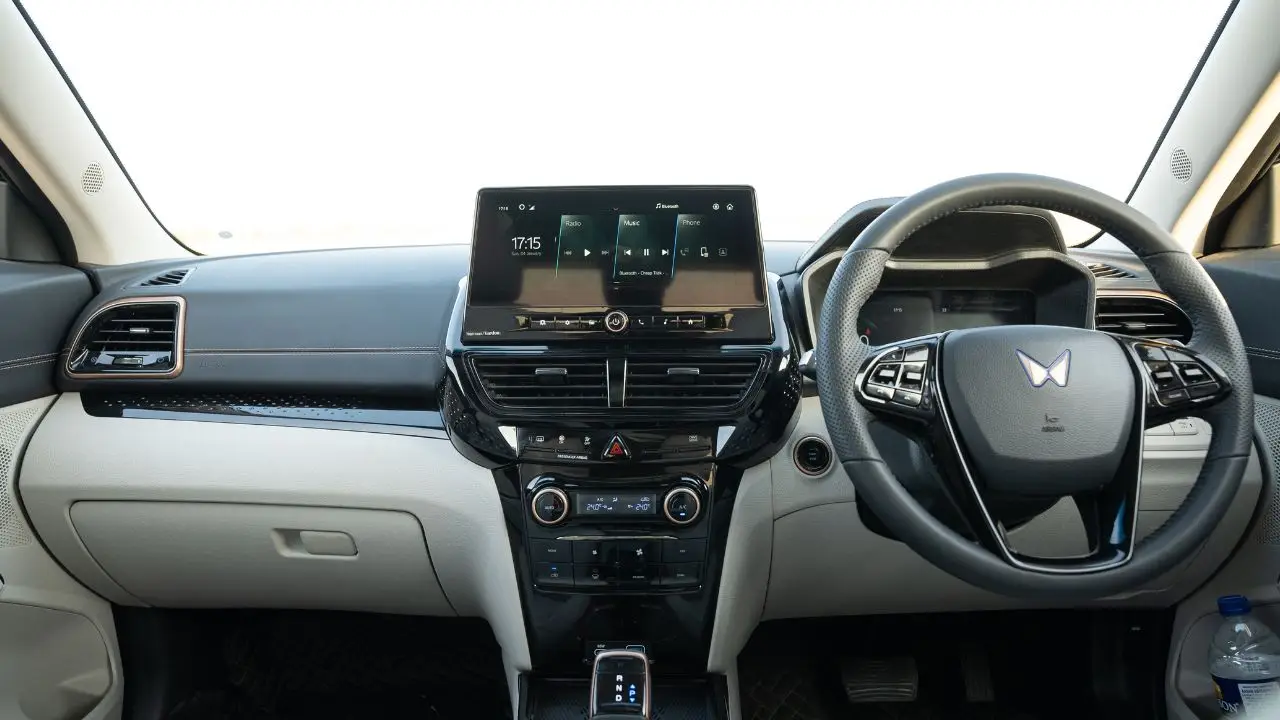
Features-wise, both the Mahindra XUV 3XO EV and the Tata Nexon EV position themselves as rich offerings. The XUV 3XO EV offers a user-friendly layout with dual 10.25-inch screens, seamless smartphone connectivity, premium audio from Harman Kardon, and conveniences such as dual-zone climate control, a cooled glovebox, and an electronic parking brake with auto-hold. Its safety package is also comprehensive, comprising a 360-degree camera and Level-2 ADAS.
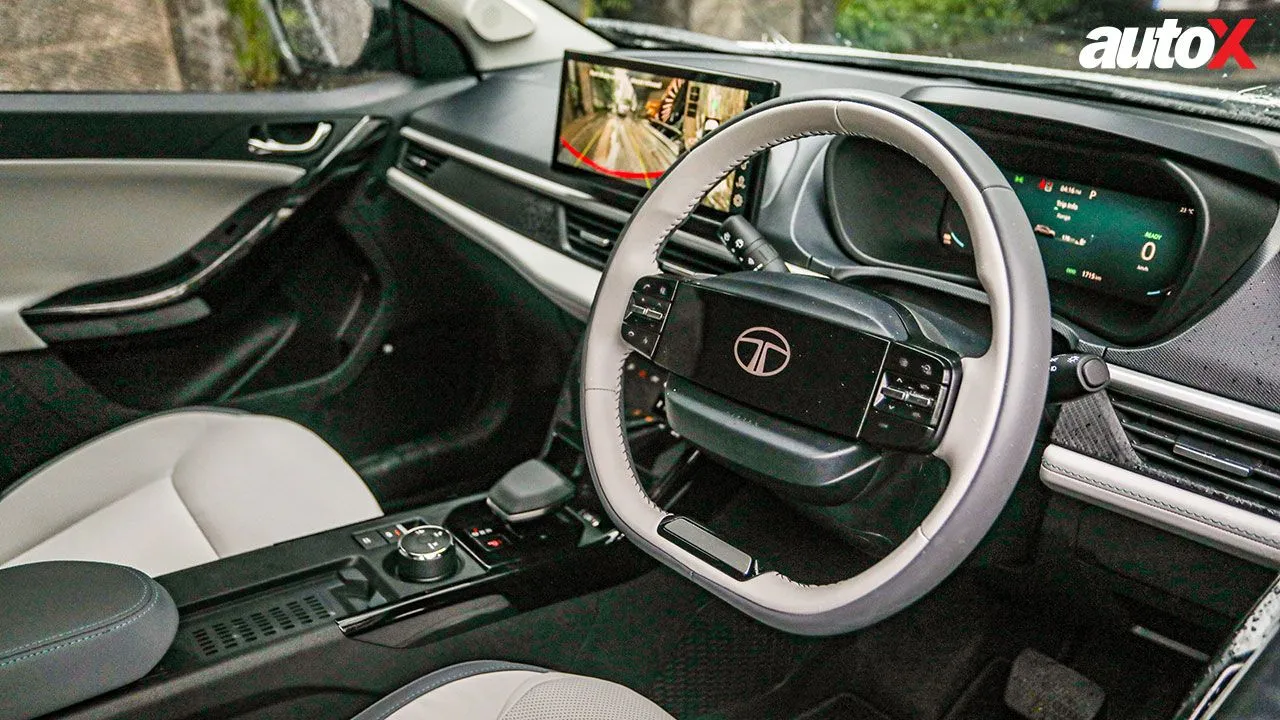
The Tata Nexon EV, on the other hand, has a larger 12.3-inch touchscreen, a digital cockpit, and a premium JBL sound system. It comes with ventilated seats, touch-based controls, multi-voice assistant compatibility, and extensive connected-car functions. On the safety front, the Nexon EV offers Level 1 ADAS, six airbags as standard, parking sensors, all-wheel disc brakes, and 3-point seat belts for all.
Mahindra XUV 3XO EV vs Tata Nexon EV: Dimensions
| Parameters | Mahindra XUV 3XO EV | Tata Nexon EV |
| Length | 3,900mm | 3,995mm |
| Width | 1,821mm | 1,802mm |
| Height | 1,617mm | 1,625mm |
| Wheelbase | 2,600mm | 2,498mm |
| Ground Clearance | 190mm | 190mm (45kWh)/ 205mm (30kWh) |
In terms of dimensions, the Nexon EV is marginally longer and taller, which contributes to its SUV-like stance, while the XUV 3XO EV counters with a wider body and a noticeably longer wheelbase. Both EVs offer identical ground clearance for the long-range Nexon variant, though the smaller-battery Nexon EV sits higher off the ground. Wheel sizes are larger on the Mahindra car (16 to 17 inches), compared to the Tata EV (16-inches). The boot space (364 litres is also slightly more boot space than the Tata model (350 litres). However, the Nexon EV gains an edge in practicality by offering a small frunk (11.6 litres), a feature missing on the XUV 3XO EV.
Mahindra XUV 3XO EV vs Tata Nexon EV: Price
The Mahindra XUV 3XO EV is priced from Rs 13.89 lakh to Rs 14.96 lakh (ex-showroom), while the Tata Nexon EV spans a broader price band of Rs 12.49 lakh to Rs 17.49 lakh.
Also Read: Tata Nexon EV Becomes India’s First Electric Car to Surpass 1 Lakh unit Sales
Although the Nexon EV undercuts its rival at the entry level, the XUV 3XO EV delivers a larger battery, higher performance, and a more comprehensive feature list it for the money. At the higher end of the range, Mahindra remains more affordable, even as the Tata EV responds with added conveniences such as a larger infotainment screen and V2L/V2V charging capabilities.
-1767712612984.webp "Mahindra XUV 3XO EV vs Standard Model: What's Different?")