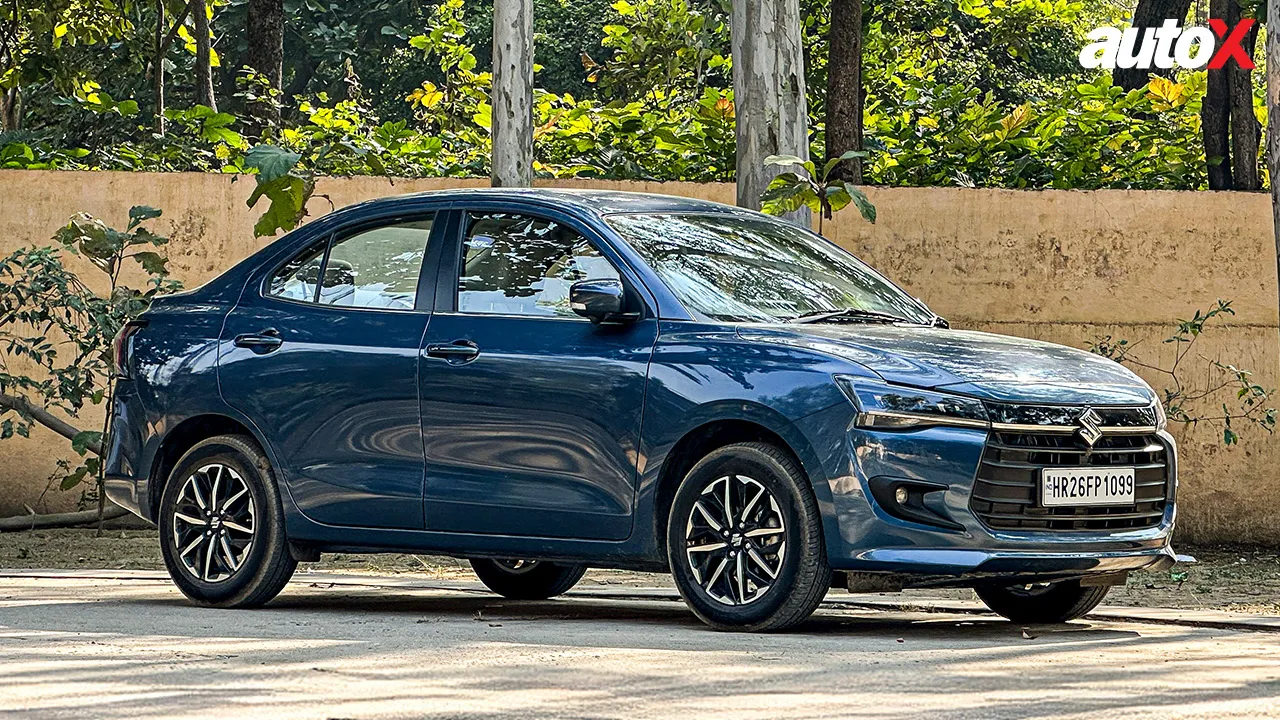
Maruti Suzuki Baleno Facelift to Launch in April-May 2026 – What to Expect?
Maruti Suzuki will soon update its best-selling hatchback in India, the Baleno, for 2026. While retaining the same engine setup, the updated Baleno may get subtle cosmetic tweaks and notable feature upgrades.
By Sanorita

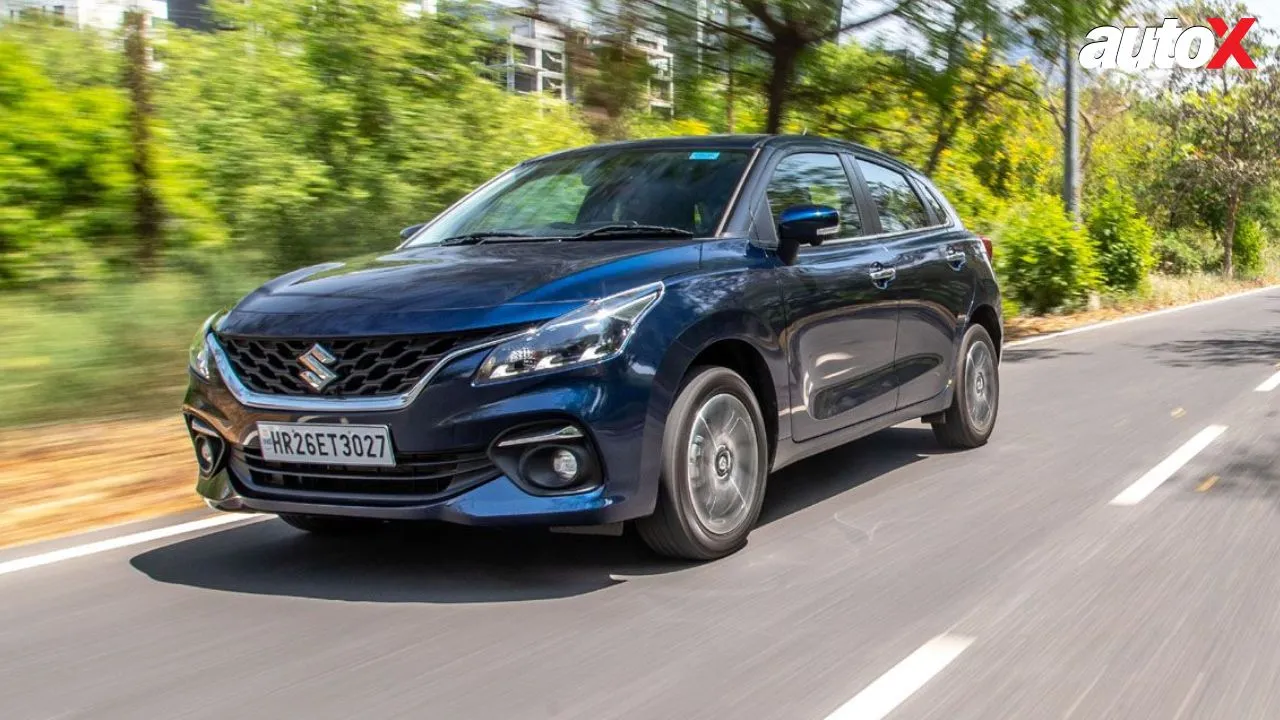
Maruti Suzuki is gearing up to roll out a much-anticipated refresh for one of its best-selling models in India, the Baleno hatchback, according to industry sources. The updated Baleno is set to hit showrooms around April–May 2026, with the exact launch date expected to be announced closer to the launch timeline. First launched in 2015, the Baleno hatchback received its first facelift in 2019, followed by a second-generation model in 2022. Last year, Maruti Suzuki enhanced its safety with six airbags across all variants. Now, another significant update is on the horizon for the Baleno in India, and we’ve detailed some of the key changes to expect in the new version.
Maruti Suzuki Baleno: What to Expect?
The changes are most likely to be purely cosmetic and feature-focused. On the appearance, the Baleno could see the most updates at its front-end, with a revised grille, a new bumper, and refreshed headlamps with updated DRLs. While the core design is expected to remain unchanged, Maruti Suzuki may introduce subtle tweaks to align the hatchback more closely with its current design language. The side profile could get newly designed wheels, and the rear may receive a revamped lighting setup.
Also Read: Maruti Suzuki e Vitara to Launch in India in February
Inside, the dashboard is expected to take cues from Maruti Suzuki’s new models. It will be complemented by new upholstery options. Another major addition could be a larger free-standing SmartPlay Pro+ touchscreen infotainment system, supporting wireless Apple CarPlay, Android Auto, and potentially Alexa. Maruti Suzuki may also equip the hatchback with amenities such as a fully digital driver’s display, an electric sunroof, a 360-degree camera, ventilated front seats, and wireless phone charging.
Given this will be a mid-cycle refresh rather than a completely new generation model, Maruti Suzuki is expected to retain the existing powertrain. The Baleno will continue with the 1.2-litre DualJet petrol engine, producing 89 bhp and 113 Nm of torque, offered with both a five-speed manual and an automatic transmission.
The CNG variant, on the other hand, delivers 76.4 bhp and 98.5 Nm of torque, paired exclusively with the manual gearbox.