Top 5 Electric Cars to Buy in India Under Rs 20 Lakh
Looking to buy an electric car under Rs 20 lakh in India, here are some of the attractive options from notable automakers, including MG and Tata Motors.
By Sanorita

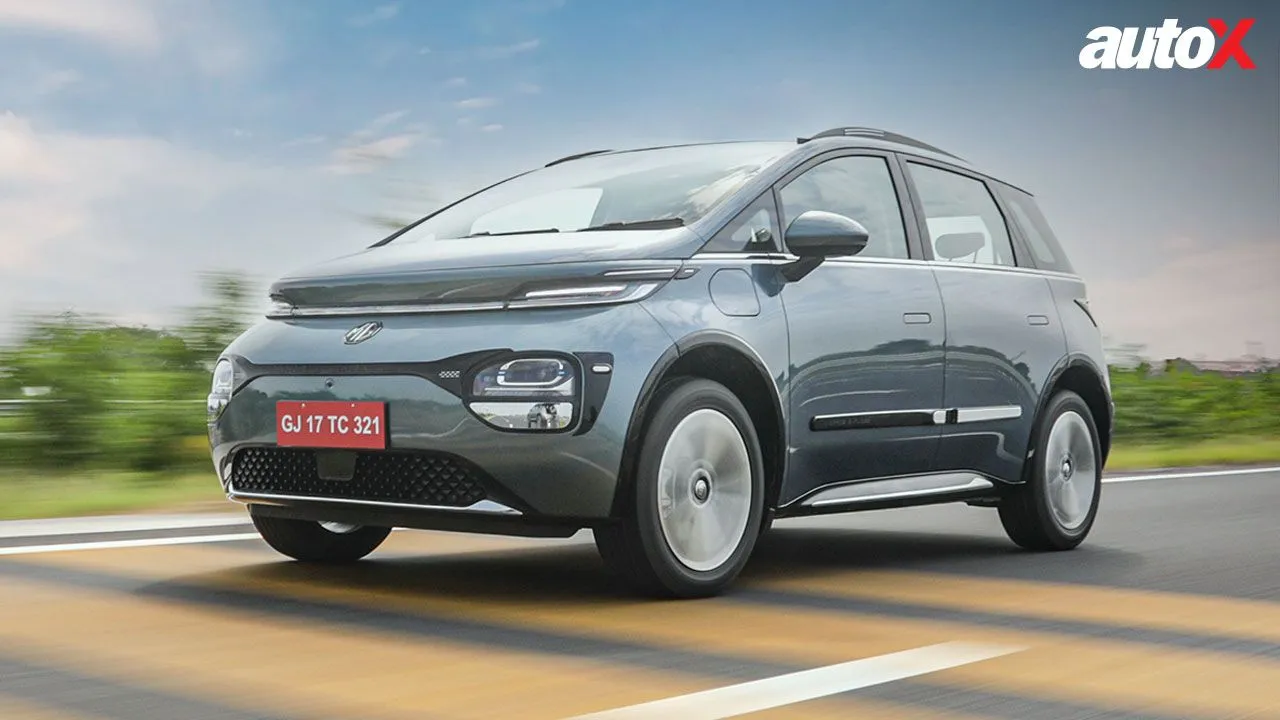
Electric cars in India are becoming more feature-rich within the mass-market category, offering ample options to customers. They are no longer limited to luxury segments and are now a practical option for both everyday commuters and families. Especially within the category of the best electric cars under Rs 20 lakh, the options are diverse, ranging from compact city commuters to well-equipped electric SUVs. Here are some of the EVs from Tata, MG, and Mahindra that offer complete value for money.
MG Comet EV
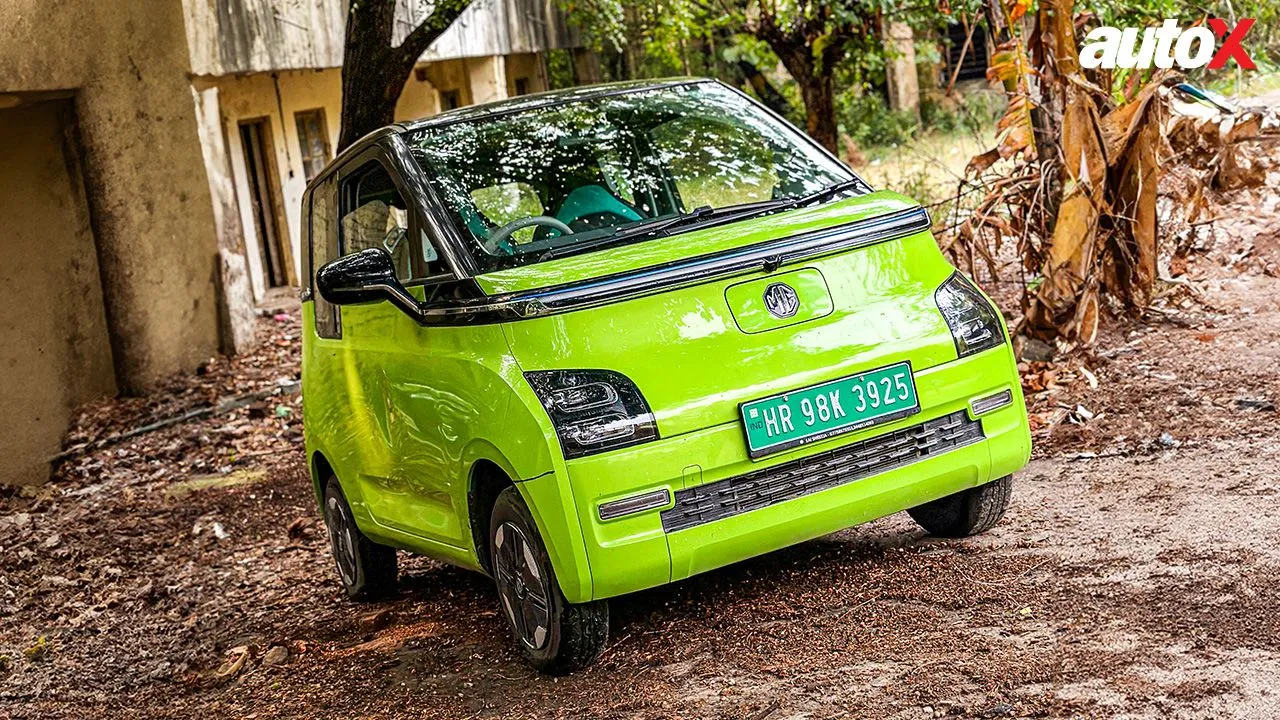
The MG Comet EV is one of the most affordable electric cars in India. Despite its compact dimensions, the Comet offers a surprisingly spacious and practical cabin, ideal for daily travel to the office, college, or city errands. It comes equipped with a 17.3kWh battery paired with a rear-wheel-drive electric motor that produces 41bhp of power and 110Nm. This setup enables an ARAI-certified range of up to 230 kilometres on a single charge, with a top speed of 100km/h.
Also Read: Top 5 SUVs to Buy Under Rs 15 Lakh in India
For charging, MG offers both a standard 3.3kW AC charger (approx. 7 hours for a full charge) and a faster 7.4kW AC charger that cuts charging time down to under 3.5 hours. The price of the MG EV starts at Rs 7.50 lakh (ex-showroom).
Tata Punch EV

The Tata Punch has long been one of the brand’s best-selling models in India, and the launch of the Punch EV in January last year has only boosted its popularity. Priced competitively from Rs 9.99 lakh (ex-showroom), the Punch EV is an excellent choice for first-time electric vehicle buyers and small families looking for an affordable, reliable EV. It offers two battery options: a 25kWh medium-range pack delivering a claimed range of 265 kilometres, and a 35kWh long-range pack that extends the driving range up to 365 kilometres per charge (MIDC). With its compact size, modern features, and attractive pricing, the Punch EV is quickly becoming a go-to electric SUV in its segment.
Tata Nexon EV
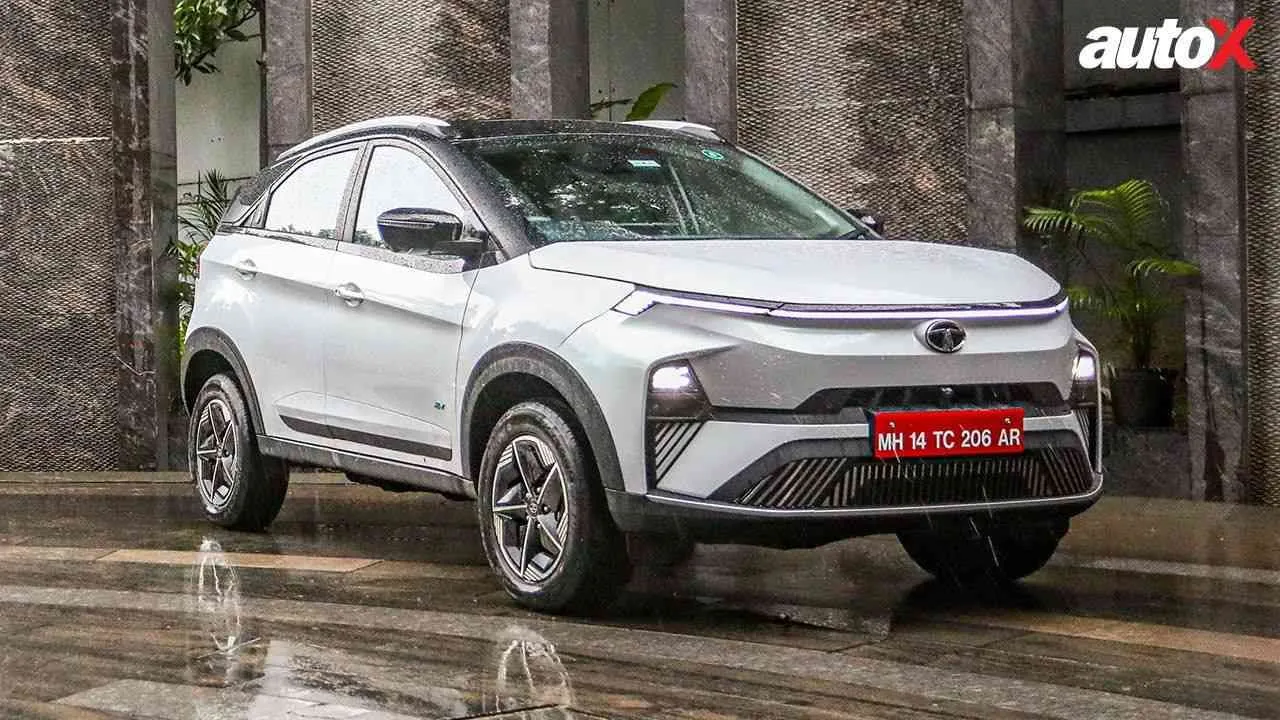
The Tata Nexon EV remains one of the best electric cars under Rs 20 lakh in India, offering two battery pack options: the 30kWh Medium Range (MR) variant delivers a claimed range of up to 325 kilometres, while the 45 kWh Long Range (LR) variant offers an impressive 489 kilometres (MIDC). Priced starting at Rs 12.49 lakh, the Nexon EV promises strong performance, premium features, and long-range capability.
MG Windsor EV
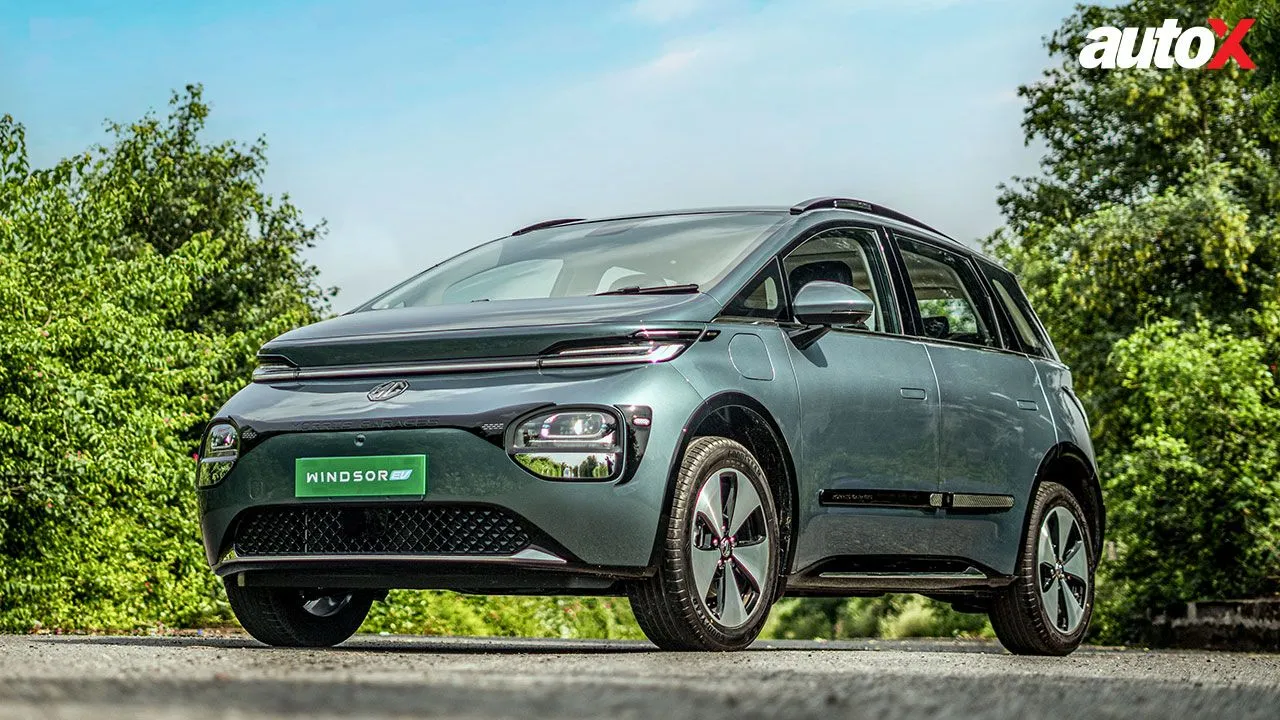
The MG Windsor EV is among the highest-selling electric cars in India. It was honoured with the Green Car of the Year award at the 2025 Indian Car of the Year (ICOTY). The Windsor EV also comes in a Pro variant featuring a larger battery and extended driving range. It is equipped with an IP67-certified 38kWh lithium iron phosphate (LFP) battery, offering a range of 332 kilometres on a single charge. The SUV uses a permanent magnet synchronous motor that produces 134bhp and 220Nm. The battery supports DC fast charging up to 45kW, allowing a full recharge in just 55 minutes. The starting price of the MG EV is 13.99 lakh (ex-showroom).
Mahindra BE 6
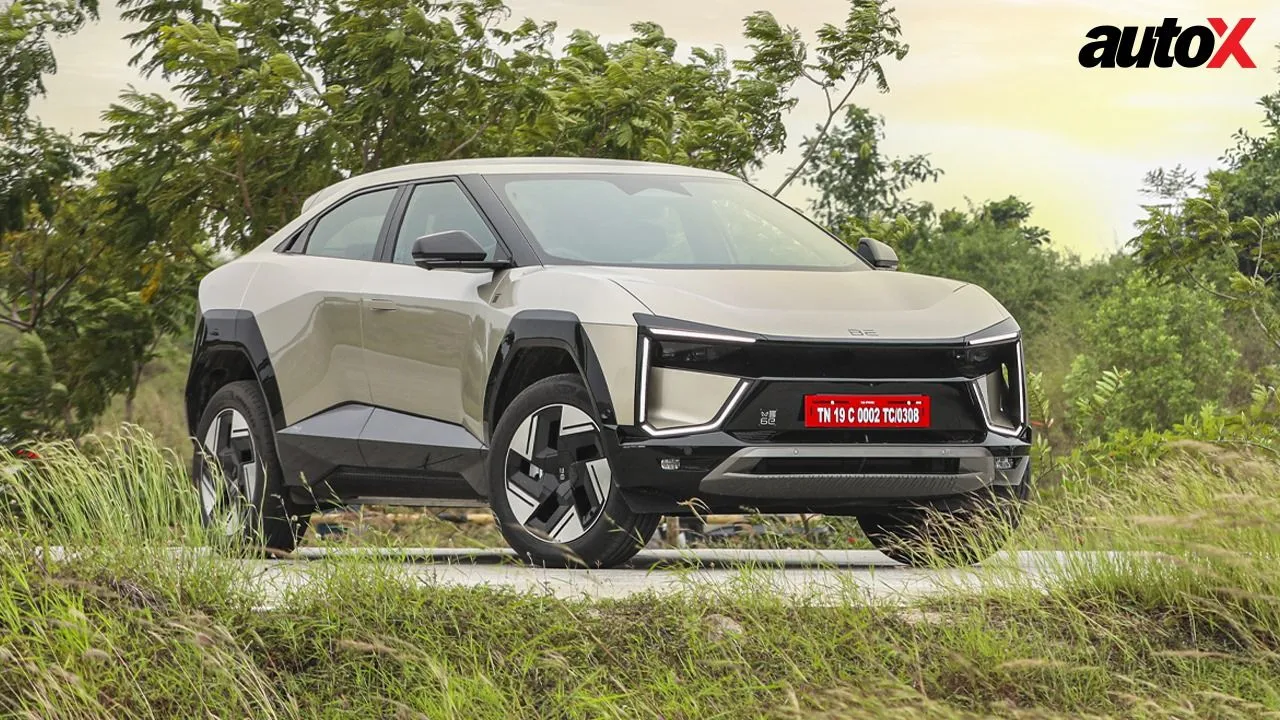
The Mahindra BE 6 is an electric SUV, with prices starting under Rs 20 lakh. It is the new addition to Mahindra’s Born Electric (BE) lineup, and has a bold design, a feature-packed cabin, and an advanced electric powertrain. The Mahindra BE 6 comes with a standard 59kWh battery pack offering a claimed driving range of 557 kilometres, making it an efficient electric SUV for Indian roads. The top variant features a larger 79kWh battery, extending the range up to 683 kilometres on a single charge. Both battery options deliver strong performance, with 228bhp and 282bhp respectively, and a torque of 380Nm.
Also Read: Top 5 Cars to Buy Under Rs 10 Lakh This Diwali
The Mahindra BE 6 is available in India starting at Rs 18.90 lakh (ex-showroom) and offers five variants: Pack One, Pack One Above, Pack Two, Pack Three Select, and Pack Three. The range of variants provides buyers with options to choose based on their preferences and budget.