Upcoming Cars in India in 2026: New Kia Seltos, Mahindra XUV 7XO, Renault Duster, and More
The list of upcoming cars in India includes the Tata Sierra EV, Renault Duster, Tata Punch Facelift, and the Mahindra XUV 7XO.
By Sanorita


Planning to buy a new car? 2026 could be the right time. Major carmakers in India, including Maruti Suzuki, Kia, Tata Motors, and Skoda, have lined up a series of launches for the Indian market. The upcoming cars in India for 2026 include the return of iconic models like the Renault Duster and Maruti Suzuki’s first electric SUV, the e Vitara. From daily commuters to feature-rich family cars, 2026 promises to expand the options across various car segments. Here’s a look at the upcoming car launches in India.
2026 Kia Seltos
Kia has unveiled the all-new Seltos; however, its prices are to be announced on January 2, 2026, and deliveries will start mid-month. The 2026 model moves to Kia’s global K3 platform, while retaining its familiar engines: a 1.5-litre naturally aspirated petrol, turbo petrol, and diesel. It features updated styling, enhanced features, and larger dimensions – 95mm longer, 30mm wider, with an 80mm longer wheelbase.
Mahindra XUV 7XO

Mahindra is set to launch the XUV 7XO in India on January 5, 2026. The upgraded XUV700 features a new grille inspired by the XEV 9S, refreshed taillights, dual-pod projector headlamps, and dual-tone alloy wheels. Inside, a triple-screen setup integrates the instrument cluster, central touchscreen, and front passenger display, complemented by a beige-tan cabin, ambient lighting, a panoramic sunroof, and Apple CarPlay/Android Auto. Mechanically, the Mahindra SUV is expected to remain unchanged (2.0‑litre turbo petrol and 2.2‑litre diesel).
Tata Punch Facelift
Tata Motors is gearing up to launch the updated Punch micro SUV later this year. The facelifted model, according to the previous spy shots, will have a refreshed front fascia with a new grille, split LED headlights, and a redesigned bumper. At the rear, the SUV will feature a flatter tailgate with a connected LED light bar. Other possible highlights include new black alloy wheels and C-pillar-mounted door handles.
Also Read: Top Maruti Suzuki CNG Cars in 2025: Swift, Dzire, Brezza, Victoris and More
Feature-wise, the Tata Punch SUV is expected to offer a 10.25-inch touchscreen with wireless Apple CarPlay and Android Auto, touch-based climate controls, and a two-spoke illuminated steering wheel. That said, the SUV's powertrain options (1.2‑litre petrol and CNG) will likely remain the same.
Nissan Gravite

The Nissan Gravite MPV is scheduled to launch in India in January, with deliveries beginning in March. The 7-seater model is said to share its platform with the Renault Triber while adding some unique design traits, including a honeycomb grille, sculpted bonnet, redesigned bumpers, refreshed alloys, and new taillights.
Inside, it is expected to offer a 7-inch digital cluster, an 8-inch touchscreen with Apple CarPlay and Android Auto, wireless charging, six speakers, and manual AC with rear vents. The Nissan MPV is likely to use the same 1.0-litre petrol engine as the Triber. A CNG version is also expected to join the lineup at a later stage.
Maruti Suzuki e Vitara

The e Vitara, Maruti Suzuki's first electric SUV, is likely to go on sale in early 2026. The SUV boasts a sharp polyhedral design with Y-shaped LED DRLs, muscular body lines, wraparound LED taillamps, and 18-inch dual-tone alloys. Inside, the car offers a dual-screen setup, an Infinity audio system, a panoramic glass roof, ambient lighting, and ventilated seats. The e Vitara will be offered with 49kWh and 61kWh battery options, spread across multiple variants.
Renault Duster

Renault will reintroduce the Duster in its third-gen avatar on January 26, 2026. Built on the CMF-B platform, the SUV stands out with new bumpers, a revised grille with Renault’s latest logo, and Y-shaped LED lighting. Other highlights include squared wheel arches and chunky cladding. Inside, the Duster is expected to feature a touchscreen infotainment system with wireless Apple CarPlay and Android Auto, a digital instrument cluster, and wireless charging.
At launch, the Duster is expected to be offered with petrol engines, including a 1.3-litre turbo-petrol (151bhp/250Nm, a 6-speed manual or dual-clutch automatic) and a 1.5-litre naturally aspirated or 1.0-litre turbo petrol (lower variants). Renault may also explore a hybrid variant for the future.
Tata Sierra EV
-1762851419979.webp)
Tata Motors is expected to launch the all-electric Sierra in India by March 2026. While the EV will keep the classic silhouette, it will stand out with some EV-specific styling, including a reworked front end. It may offer 55kWh and 65kWh battery packs, with front-wheel drive as standard and a dual-motor all-wheel-drive option on top variants, delivering a range of over 500 kilometres.
Nissan Tekton

The Nissan Tekton SUV is set to make its debut in early 2026, with a full launch scheduled later in the year. Previewed globally in October, the mid-size SUV takes design cues from the Nissan Patrol, featuring clean body lines, pronounced wheel arches, roof rails, and newly styled alloy wheels.
The Tekton SUV, based on the CMF-B platform (also used by the new Duster), will be extensively localised for India. Nissan hasn't disclosed engine options, but the SUV is said to come with a hybrid variant in the future.
Skoda Slavia Facelift
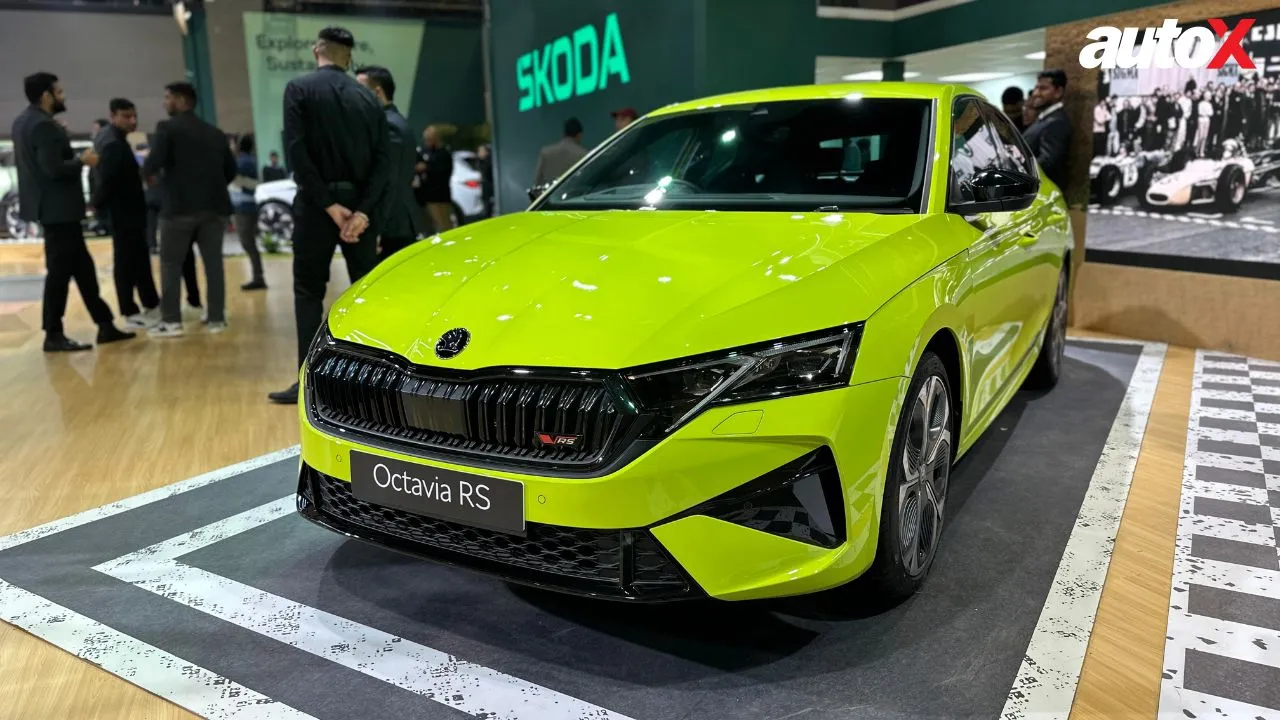
Skoda will reportedly launch the Slavia Facelift in 2026, with cosmetic changes such as new headlamps, a revised grille, redesigned bumpers, and tweaked taillamps. The sedan is also expected to see a major boost in safety with a Level 2 ADAS system.
Given it's a facelift, Skoda is unlikely to make any changes under the hood, meaning the sedan will continue to offer two turbo-petrol engine options (113bhp 1.0-litre/and more powerful 148bhp 1.5-litre).
Kia Syros EV
Kia is expected to launch the Syros EV in 2026, keeping the familiar design of its ICE counterpart while adding EV-specific touches. Notable design changes may include new colour options, a left-side charging port, and exclusive badging, among others.
Also Read: Top 5 Cars in India Under Rs 10 Lakh: Tata Nexon, Maruti Suzuki Dzire, and More
Kia has not officially confirmed the powertrain, but the electrified Syros is expected to be a mechanical twin of the Hyundai Inster EV, featuring the K1 platform, 42kWh and 49kWh battery options, and a range between 300-355 kilometres.
-1769438784307.webp "Upcoming Cars in India in March 2026: Renault Duster, Audi SQ8, and More")