Delhi Old Car Ban Paused: Supreme Court Offers Big Relief to ‘End of Life’ Vehicle Owners
Supreme Court halts Delhi’s old vehicle ban, giving relief to owners and signalling a shift towards emissions-based pollution control policies.
By Divyam Dubey


The Supreme Court has handed a breather to thousands of vehicle owners in Delhi and the National Capital Region (NCR), ruling that no punitive action will be taken, for now, against diesel vehicles over 10 years old and petrol vehicles older than 15 years. The relief comes as the court reconsiders a decade-old ban that was introduced to curb the capital’s poor air quality. That ban, born out of a 2015 order by the National Green Tribunal and upheld in 2018, was designed to pull high-polluting, ageing vehicles off the roads.
Also Read: Tesla Comes to Delhi, Opens Second Showroom in India
The Delhi government has pushed back against the blanket age bar, arguing that it no longer reflects present-day realities. In its petition, the government pointed to Bharat Stage VI (BS-VI) emission norms, implemented in 2020, which have significantly reduced harmful exhaust emissions. Officials also noted that many older vehicles still pass emission tests, and that the existing rule has placed a heavy burden on low- and middle-income owners who depend on second-hand cars and bikes for their daily commute.
The matter took centre stage after the Commission for Air Quality Management (CAQM) ordered fuel stations to stop supplying petrol and diesel to so-called 'end-of-life' vehicles from July 1, 2025. The directive triggered widespread backlash from the public and logistical headaches for fuel dealers. Faced with mounting criticism, the Delhi government quickly rolled back the order and instead suggested a change in policy — one that assesses vehicles on their actual emissions and valid pollution certificates rather than just their age.
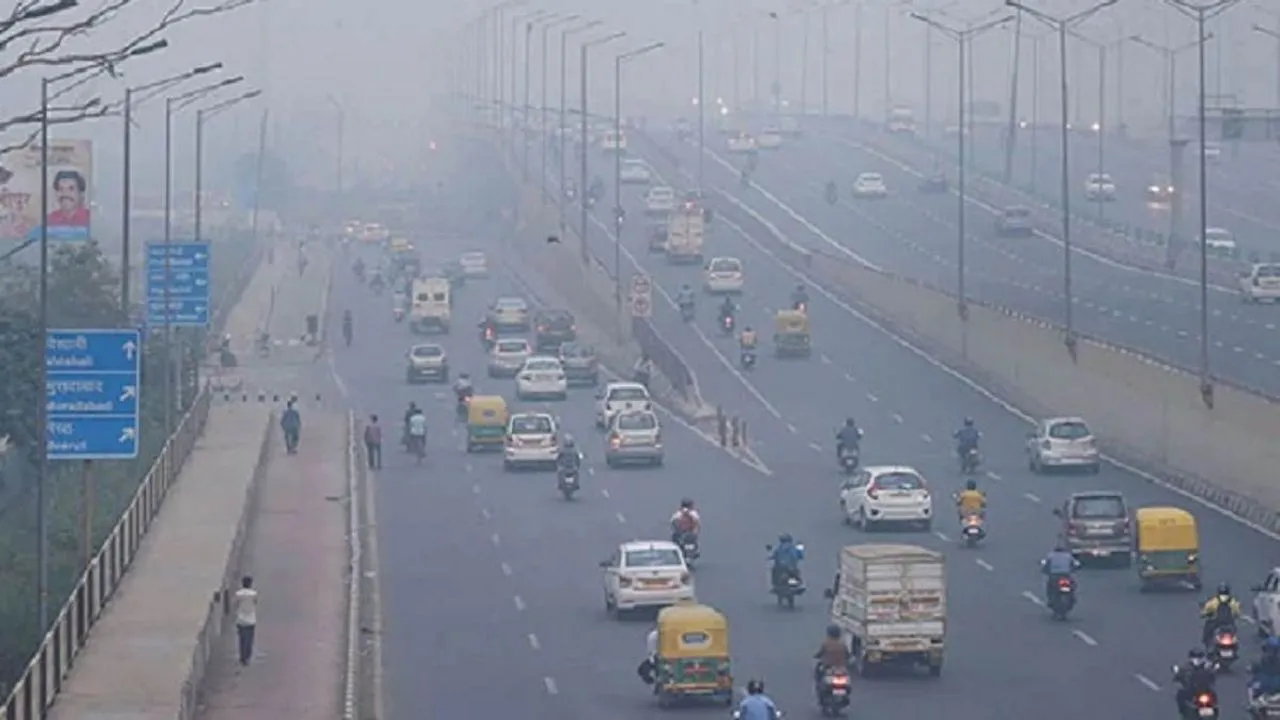
Responding to the changing circumstances, the Supreme Court has now issued notices to relevant government agencies and set another hearing in about four weeks. Until then, owners of these older vehicles won’t face fines, seizures, or other penalties. The court also recognised that many vintage and well-maintained vehicles have remained in use for decades, indicating that a one-size-fits-all approach based purely on age may not be fair.
Also Read: Slow EV Sales in India: NITI Aayog Calls for Urgent Reforms and Charging Boost
For motorists in Delhi-NCR, this pause offers temporary relief and a glimmer of hope for a more flexible policy. It also hints at a potential shift from rigid age-based bans to an emissions-focused system. While the final verdict will decide the long-term rules, for now, compliant older vehicles can stay on the roads as the legal and policy debates continue.