FADA Proposes Investment in EV Charging and Vehicle Scrappage Infrastructure in Delhi
The Federation of Automobile Dealers Associations (FADA) has also urged the government to include automobile dealers as active partners in building the city’s EV ecosystem.
By Sanorita

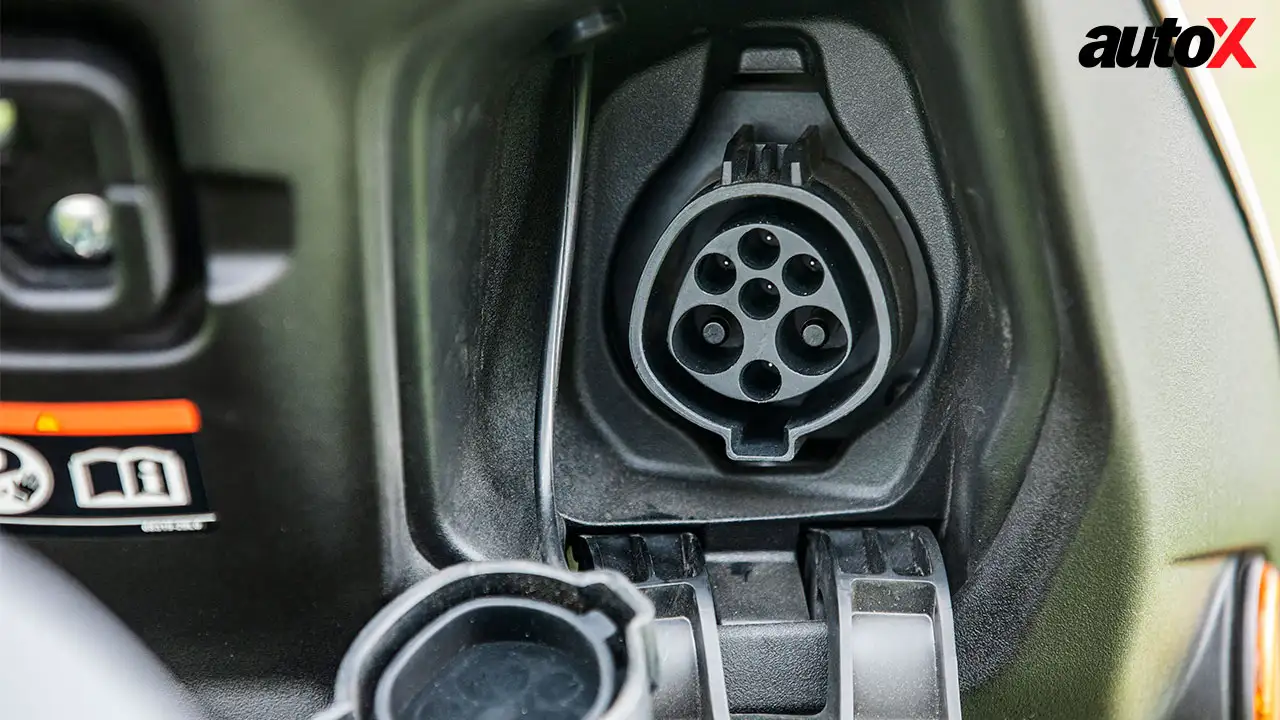
At the Vyapar Delhi 2026 summit, the Federation of Automobile Dealers Associations (FADA) announced it has proposed investing in EV charging stations and vehicle scrappage facilities across the capital. The association has also urged the government to include automobile dealers as active partners in building the city’s EV ecosystem. For those unaware, the Government recently rolled out the draft of the Delhi EV Policy for 2026–2030 with several ambitious plans aiming to transform the green mobility system. The Federation of Automobile Dealers Associations (FADA) is positioning its proposal as an important step to bridge the gap between policy vision and on-ground reality.
Key Proposals: FADA Plans 150 Charging Points and New Scrappage Facilities
The Federation of Automobile Dealers Associations has proposed to fund and set up 150 EV charging stations across Delhi at its own cost to bolster the city’s charging network. Under the draft Delhi EV Policy 2.0 (2026–2030), the Government has targeted two-wheelers, which make up nearly 67% of the capital’s vehicle population, with plans to phase out new petrol registrations in this segment from April 1, 2028. FADA’s proposal not only positions automobile dealers as active partners in the government’s larger EV push but is also expected to expand charging access, making EV ownership more convenient and encouraging faster adoption.
Also Read: No New Petrol 2-Wheelers in Delhi from 2028, Says Draft EV Policy
The association has also initiated setting up dedicated vehicle scrappage centres to align with the government’s plan to phase out ageing internal combustion engine (ICE) vehicles in Delhi. These facilities are expected to simplify the process for customers by offering an organised and transparent way to dispose of end-of-life vehicles, while encouraging an easy shift towards newer, cleaner green mobility solutions.
In addition, FADA has also offered to establish specialised training centres and centres of excellence at Industrial Training Institutes (ITIs) to build a workforce that is ready for the EV transition. The initiative aims to equip students with industry-relevant skills such as EV maintenance, diagnostics, and battery technology, while also creating direct employment opportunities in the auto industry.
Why Focus on Dealer Involvement?
FADA has advocated for a greater role for dealers in boosting the adoption of EVs in the country, and has described them as the crucial link between the industry and consumers. According to the association, involving dealers alongside the government and OEMs can help deliver a smoother and more inclusive transition.
In Delhi, where dealers contribute around Rs 7,150 crore annually, their involvement could help educate customers, manage new inventory, and provide the technical workforce required for the EV shift.