Matter Teases AI-Integrated EV Platform; Plans Multi-Segment Bikes and Scooters
AI-Defined Vehicle platform forms the base for five upcoming electric motorcycles and scooters, focusing on shared architecture, efficiency and long-term performance.
By Divyam Dubey

India, and this one sets the tone for where its future electric bikes are headed. Instead of treating intelligence as an added feature, Matter has built it directly into the vehicle’s base architecture. The idea is simple: make electric two-wheelers that respond better during daily riding. From managing battery usage to controlling heat and power delivery, the system works in the background while the rider focuses on the road. This platform will act as the backbone for upcoming motorcycles and scooters, allowing Matter to develop different styles of two-wheelers without starting from scratch each time, keeping performance consistent across its future electric lineup.
Also Read: 2026 Bajaj Pulsar 125 Launched at Rs 89,910; Gets New LED Head Lamps and More
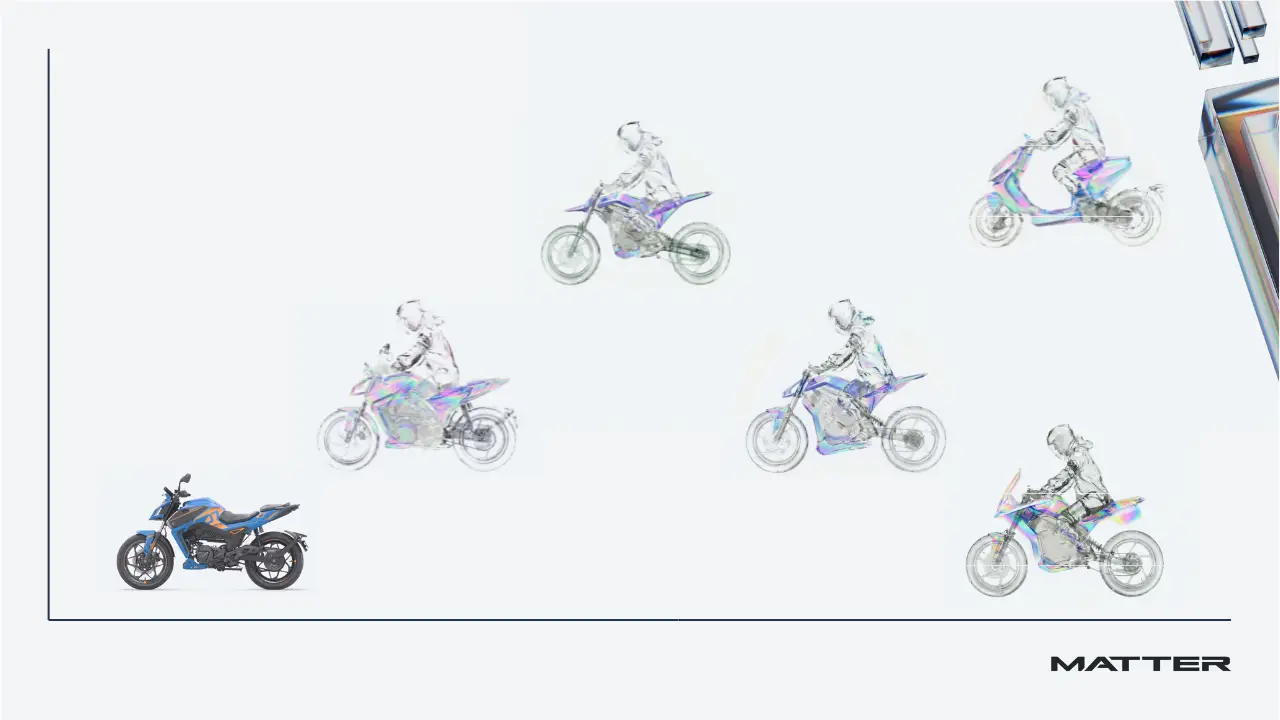
The new platform will support five upcoming electric two-wheelers planned over the next three to four years. Matter confirmed that these models will cover several segments, including naked street bikes, commuter motorcycles and electric scooters. All of them will be built using the same core structure, helping the brand expand its range faster.

Matter says this approach moves away from fixed tuning seen on most electric two-wheelers today. The system can manage power flow, battery behaviour and thermal control based on real riding conditions. This means the bike can stay efficient whether it is used for short city runs or longer daily commutes.
The company also plans to use this single platform across multiple product lines. Using common architecture helps improve reliability while keeping development costs in check. For riders, this means better consistency in performance and fewer compromises between different models.

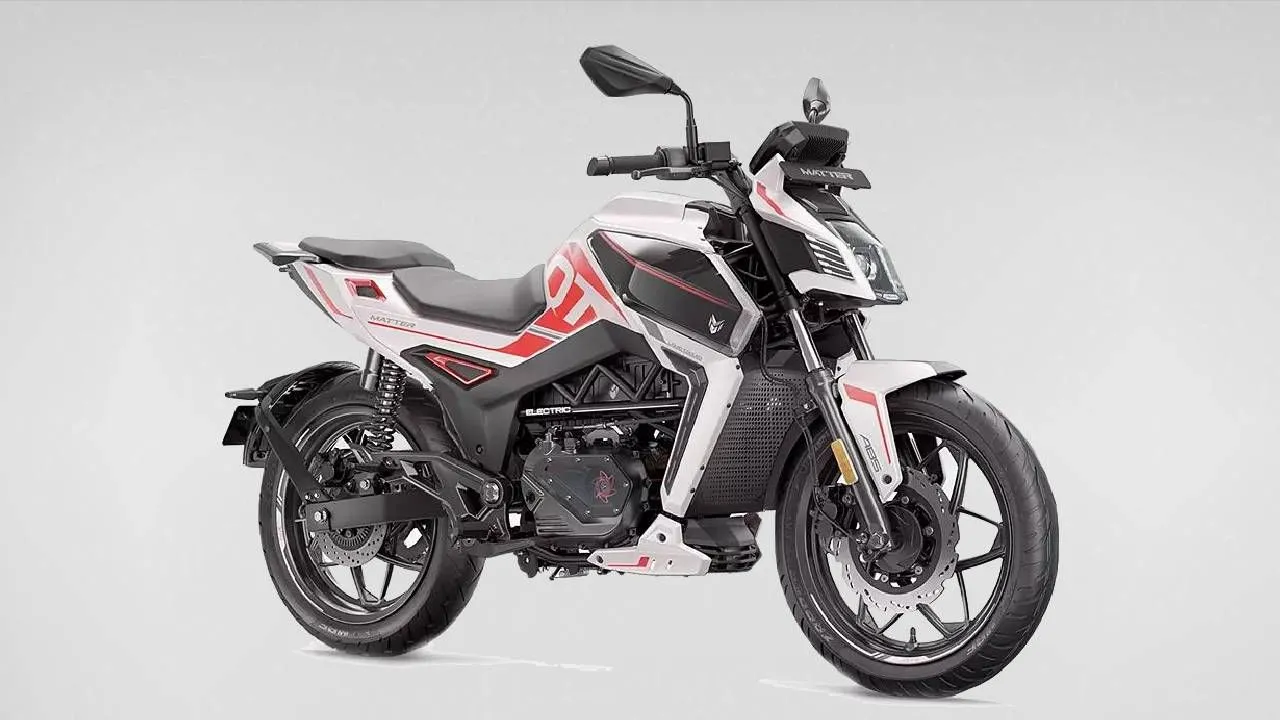
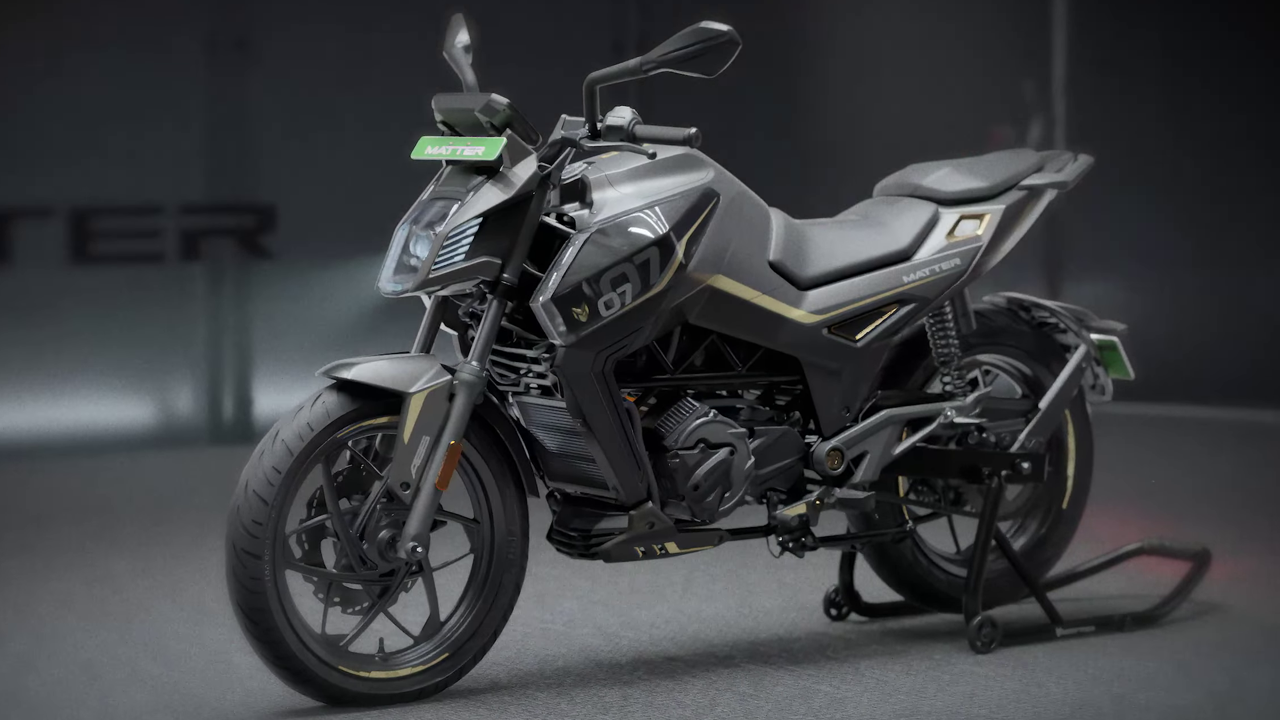
Matter’s current Aera electric motorcycle already supports over-the-air updates on unchanged hardware. The new platform builds on that idea by pushing intelligence deeper into how the bike functions. Alongside this, the company is working on rare-earth-free motors and integrated computing systems, aiming to improve efficiency and long-term durability across its future electric two-wheeler range.