Used Audi e-tron batteries to power electric rickshaws on Indian roads
German-Indian startup, Nunam, has announced that it will deploy batteries from test-fleet of Audi e-tron to power electric rickshaws in India. The program is aimed at checking the viability of used batteries for such purposes in the country.
By Anirudh Sunil Kumar

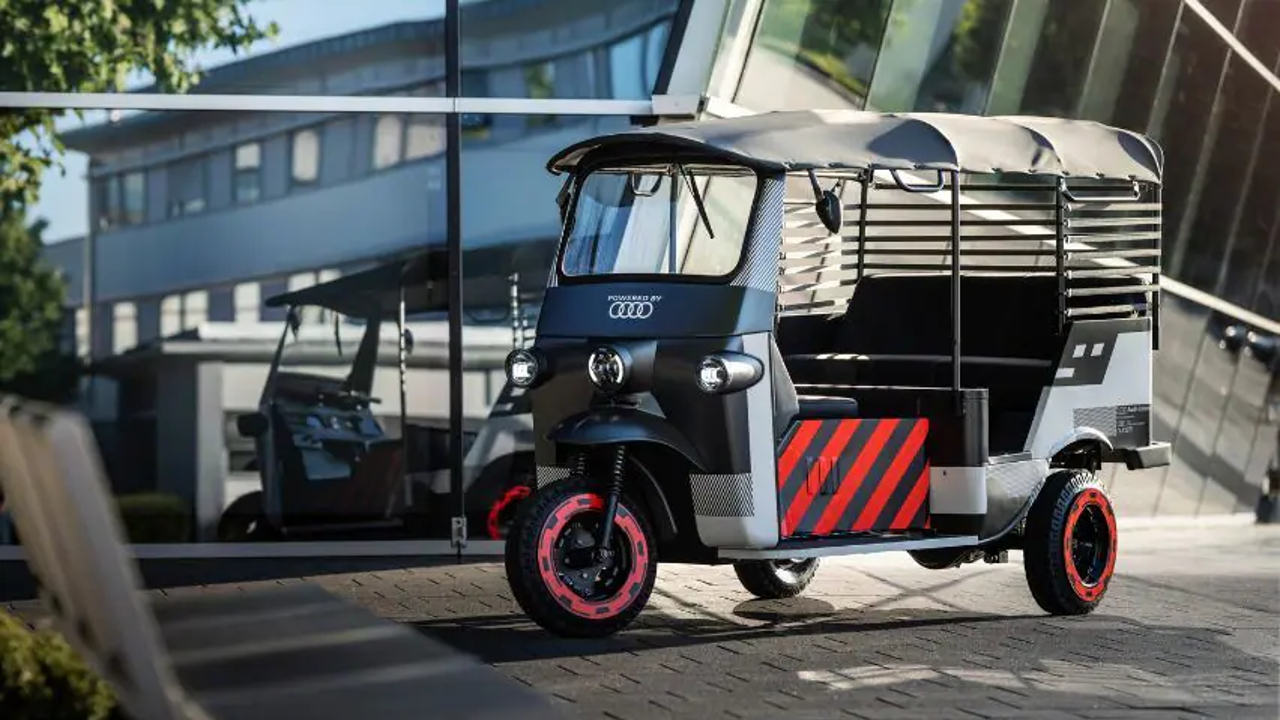
Used EV batteries from Audi e-tron's test fleet will now power Nunam's first batch of electric rickshaws which will be a part of a program to test out the viability of used batteries.
Nunam, a German-Indian mobility startup, has announced that it will announce three electric rickshaws in India that will use batteries from the Audi e-Tron test fleet to power them. The project aims to find if high-voltage battery modules could be used beyond a car’s life cycle and be utilized for a second-life use.
Apart from that, the project also claims to boost job opportunities for women in India by supplying e-rickshaws to them for the transportation of goods. Audi’s Environmental Foundation is funding the non-profit start-up with offices in Berlin and Bangalore. The start-up has created three prototypes in partnership with the Audi Neckarsulm training team, which benefits from the intensive intercultural exchange.
The first e-rickshaws powered by the second-life batteries are likely to hit the roads in their first trial project in 2023. The vehicles will be given to a non-profit organization that, women, in particular, will be able to use to transport their products to markets for sale.
In a statement, Numan Cofounder Prodip Chatterjee said, “The old batteries are still extremely powerful. When used appropriately, second-life batteries can have a huge impact, helping people in challenging life situations earn an income and gain economic independence — everything in a sustainable way.”
Considering that rickshaws in our country do not travel fast or far, an electric motor with a high energy density batter would not be required. Most of the electric rickshaws that ply our roads are primarily powered by lead-acid batteries.
Also, drivers charge their vehicles with public grid electricity which in our country is primarily coal-powered. For this Numan, will be using solar charging stations where solar panels will be installed on the roofs of their local partner’s establishments.