Maruti Suzuki Victoris First Drive Review - Aiming for the Top
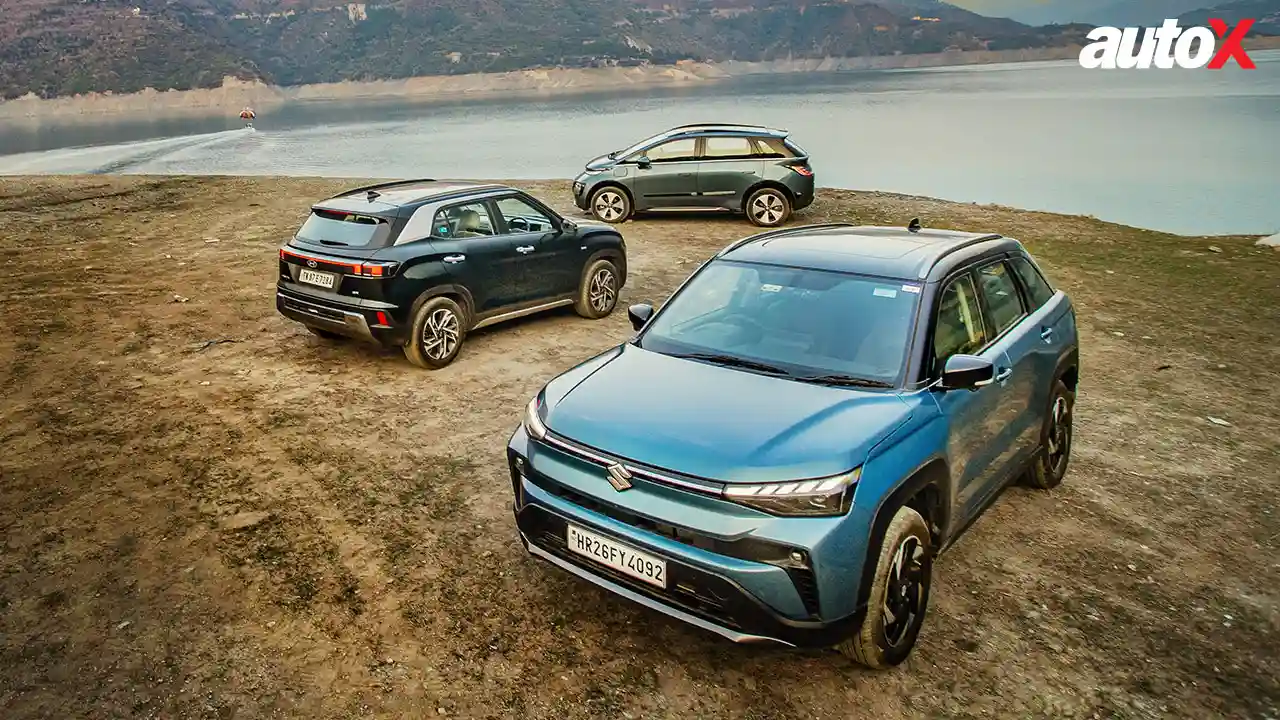
With the Victoris, Maruti Suzuki is gunning for the top spot in the SUV segment. But does it have what it takes to dethrone the long-standing segment leader – the Hyundai Creta?
By Ishan Raghava
Photography By Parvesh Swami

The Victoris seems to be a very calculated move by Maruti Suzuki to strengthen its position in the premium SUV segment. The Creta has been a stellar success for Hyundai in India and has been posting record sales despite its premium price and positioning. It’s hardly surprising, then, that Maruti Suzuki wants a piece of that lucrative pie. Now, while the Grand Vitara initially showed some promise, it simply failed to match the sales numbers of the Creta.
Also Read: Maruti Suzuki Grand Vitara Review
So, Maruti Suzuki clearly needed to bring in something more exciting in the segment to boost their numbers, and that’s where the Victoris comes in. Even though it’s more or less identical to the Grand Vitara in terms of platform and mechanical hardware, the Victoris distinguishes itself through a completely new design and more aspirational positioning.
Maruti Suzuki Victoris Design and Dimensions - Sharp Looks
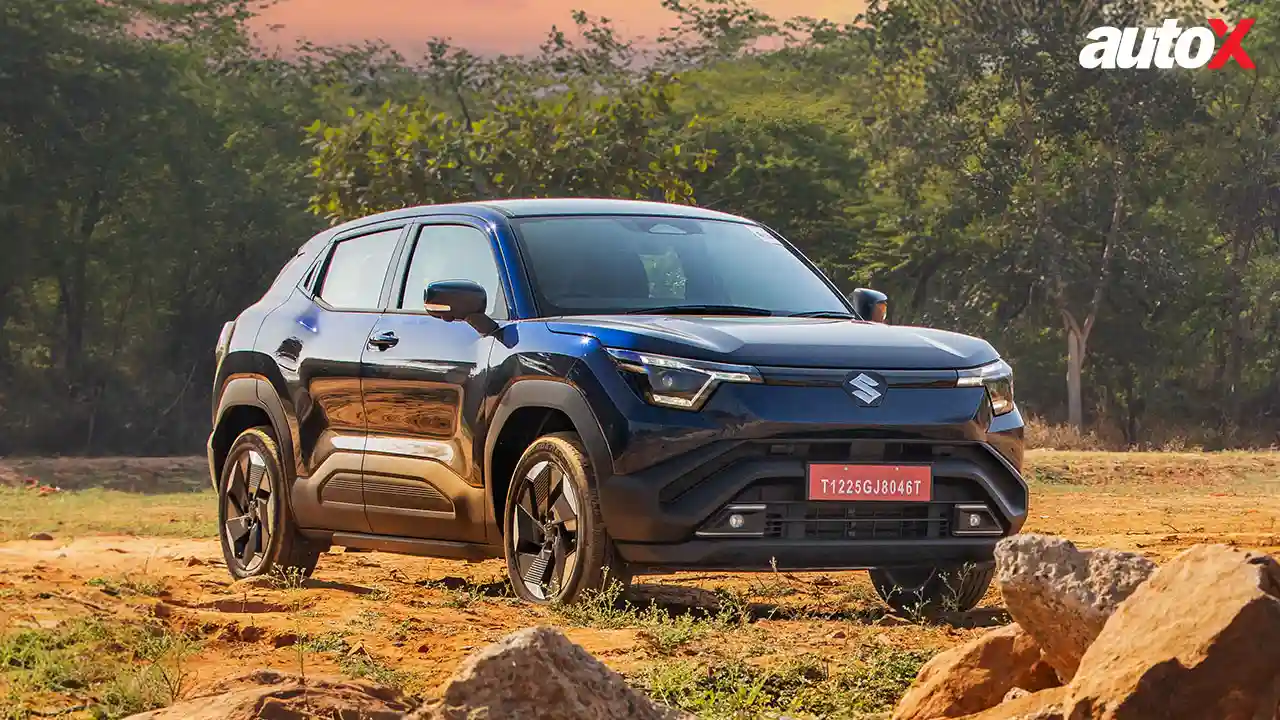
Right from the outset, the Victoris strikes you with its sharp, contemporary design, crafted entirely by Maruti Suzuki’s India design team. It features a bold front end with a large grille, which gives it a distinct identity, setting it apart from anything else in Maruti Suzuki’s current line-up. I also like the choice of bold, vibrant colours – particularly the eternal blue and sizzling red – for they accentuate the car’s design.

The profile is equally striking, with squared wheel arches, a slightly sloping roofline (more on that later), and multiple lines and creases. At the rear, a full-width LED taillamp with some snazzy graphics makes the Victoris look wider than it actually is. A sloping rear windscreen, sporty spoiler, and beefy skid plates further add to its SUV styling.
In terms of size, the Victoris is 4,360mm long, 1,795mm wide, and 1,655mm tall, with a 2,600mm wheelbase, which is identical to that of the Grand Vitara. Overall, I think the Victoris is a good-looking product, with strong road presence, particularly in those brighter shades.
Also Read: Hyundai Creta N Line: What Makes This Sporty SUV Special?
Maruti Suzuki Victoris Interior and Features - Premium Upgrade
Step inside the Victoris, and you’ll be immediately impressed by its interior design and improved fit and finish. What’s more, it’s easily the most feature-packed Maruti Suzuki to date. It also achieved a 5-star BNCAP safety rating, which is a major selling point and a reassuring highlight for customers.

The dashboard has a layered design and looks contemporary and well executed. The addition of the ambient lighting – with a choice of 64 colours – is tastefully done and adds to the cabin’s sense of sophistication. Overall, the interior fit and finish are a significant step forward for Maruti and should meet the expectations of most customers.
The steering wheel sports a new design with integrated ADAS and the usual stereo controls. The 10.1-inch SmartPlay HD touchscreen is crisp and clear – a noticeable improvement over Maruti’s previous systems in terms of both resolution and ease of usage. The Victoris also gets a 10.25-inch digital instrument cluster, which looks sharper than the unit used in the Grand Vitara.
Also Read: Kia Seltos: Taking the Fight to Hyundai Creta and Maruti Suzuki Grand Vitara
The front seats are comfortable and offer good support. The rear seats, however, are best suited for two passengers – squeezing in a third passenger makes it a bit of a tight fit – and offer decent knee room and good thigh support. That said, given the sloping roofline, the headroom here is somewhat limited, especially for taller occupants. Anyone over five feet ten inches will find their hair brushing the roofliner.

The boot is quite spacious in both petrol and CNG variants. Interestingly, the CNG variant has a cylinder-free boot, thanks to some clever engineering – the cylinder is mounted under the body in a reinforced plastic cover for added safety. The strong hybrid variant, however, has a smaller luggage compartment, owing to a raised floor board that houses additional equipment. One notable omission is that no variant of the Victoris comes with a spare wheel – only a puncture repair kit is offered as standard. A spare wheel, however, can be purchased as an added accessory.
As mentioned earlier, the Victoris is the most feature-loaded car ever to roll out of Maruti’s stable. A panoramic sunroof enhances the sense of space inside, but what really stands out is the thick fabric sunshade that effectively blocks out harsh sunlight. In terms of features, the Victoris gets a wireless charger, several charging points, a 10.1-inch floating touchscreen, wireless Android Auto and Apple CarPlay, a 10.25-inch coloured-digital instrument cluster, 64-colour ambient lighting, a crisp 360-degree camera, ventilated seats, and a powered tailgate with gesture control. There is even a head-up display with navigation. The top variant also gets an Infinity Premium 8-speaker system.
Maruti Suzuki Victoris Engine, Performance, and Mileage - Familiar Territory
In terms of powertrains, the Victoris is offered with the same set of engine options as the Grand Vitara. The tried-and-tested 1.5-litre naturally-aspirated (mild hybrid) K-Series petrol engine makes 103bhp, which drops to 89bhp in the CNG variant. The 1.5-litre strong hybrid unit, on the other hand, generates 116bhp. Gearbox options include a 5-speed manual for the CNG, an e-CVT for the strong hybrid, and a 5-speed manual or a 6-speed torque converter automatic for the mild hybrid.
Also Read: Toyota Fortuner Neo Drive 48V First Drive Review
Let’s talk about the 1.5-litre mild hybrid first. We drove the automatic variant with the 6-speed AT – a powertrain we have already experienced in the Brezza and Grand Vitara. It isn’t the quickest powertrain combination, but it gets the job done with some effort. In city traffic, the Victoris offers adequate performance, but on the highway, overtaking feels more like a game of chess – you’ll need to plan your moves carefully and well in advance. The ride quality, though, is what you expect from a modern Maruti Suzuki product. It takes on all kinds of undulations and broken roads without breaking a sweat.

Switch to the 1.5-litre strong hybrid, and the difference is immediately noticeable. It’s more efficient and, somewhat surprisingly, quicker. This variant stays in EV mode as long as the battery has charge or until you press hard on the accelerator, firing up the 3-cylinder engine for more performance. The seamless EV starts and the added punch of the hybrid motor make this variant a choice for those who want a quicker and effortless drive. The hybrid system comes paired with an e-CVT gearbox, which means that when you really push it, some engine noise does make its way into the cabin.
Maruti Suzuki Victoris Price and Verdict - Worth It?
One of the strongest points of the Victoris is its pricing, which starts at ₹10.5 lakhs (ex-showroom) and goes up to ₹19.99 lakh (ex-showroom) for the top-end Hybrid version. Not only does it undercut the Hyundai Creta, but it’s also more affordable than its own sibling – the Grand Vitara. Add to that the inclusion of ADAS and a panoramic sunroof, and you have a car that offers more features, but at a lower price point.

Interestingly, the Victoris will be sold through Maruti Suzuki’s Arena network, which has a far wider reach than the Nexa network, which retails the Grand Vitara. Yes, the Victoris has its limitations – the rear headroom and performance may not excite enthusiasts – but for most customers, it ticks all the right boxes. Overall, it has all the makings of a serious threat to the Creta’s long-standing dominance.
Also Read: Maruti Suzuki Victoris: 5 Standout Features You Should Know
Engine: 1462cc Inline-4
Transmission: 6-Speed AT AWD
Power: 102bhp
Torque: 139Nm
Fuel: Petrol
Price: ₹19.37 Lakh Ex showroom
X-Factor: The Victoris has improved on the shortcomings of the Grand Vitara, while it also packs more features.
|
Pros |
Cons |