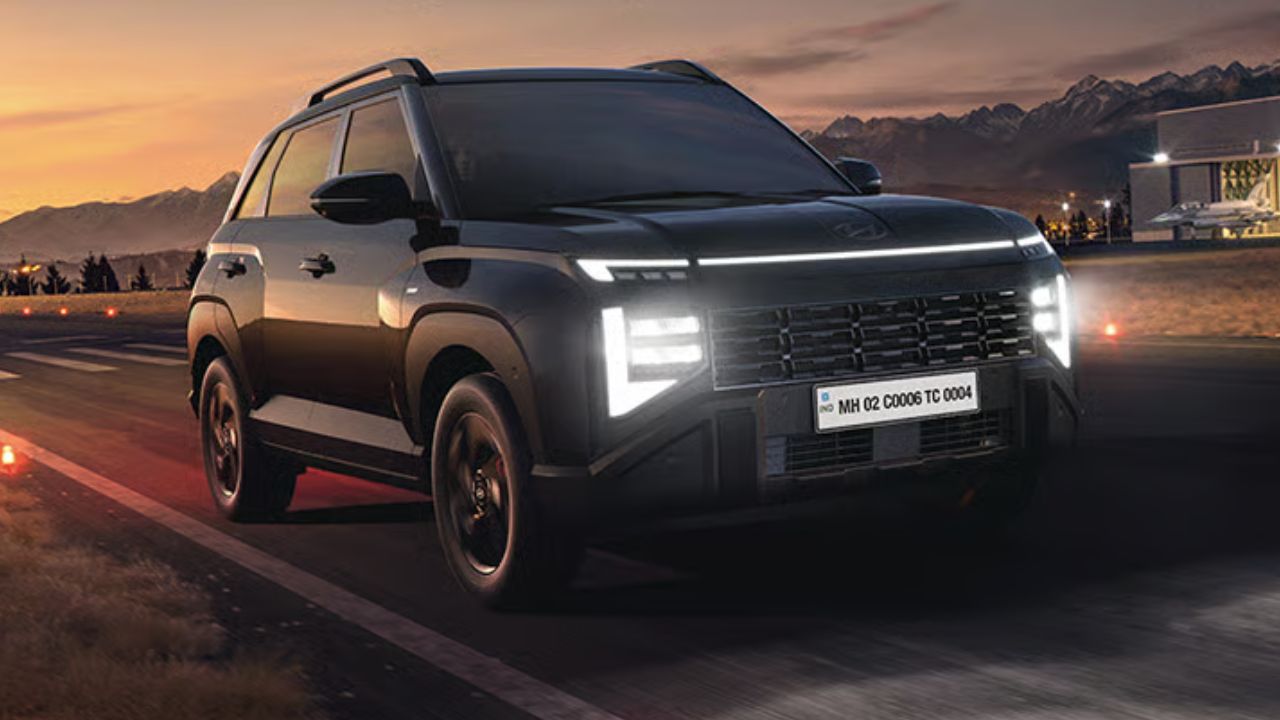
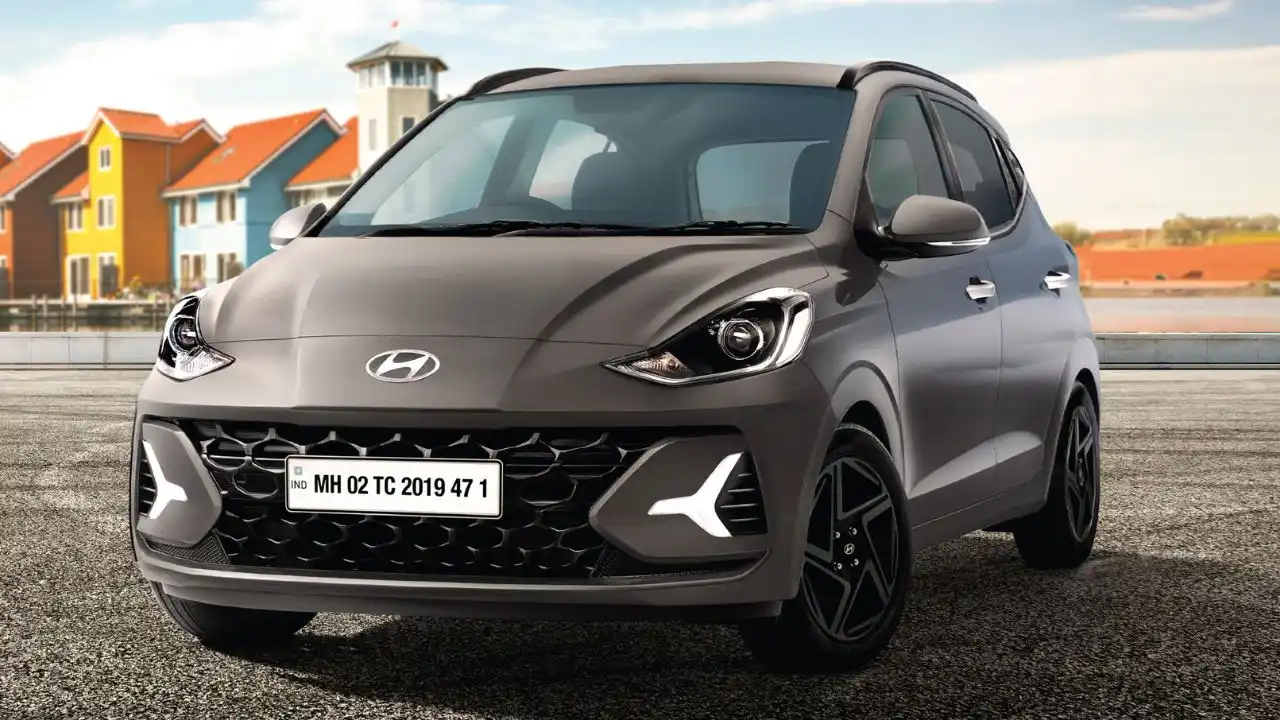
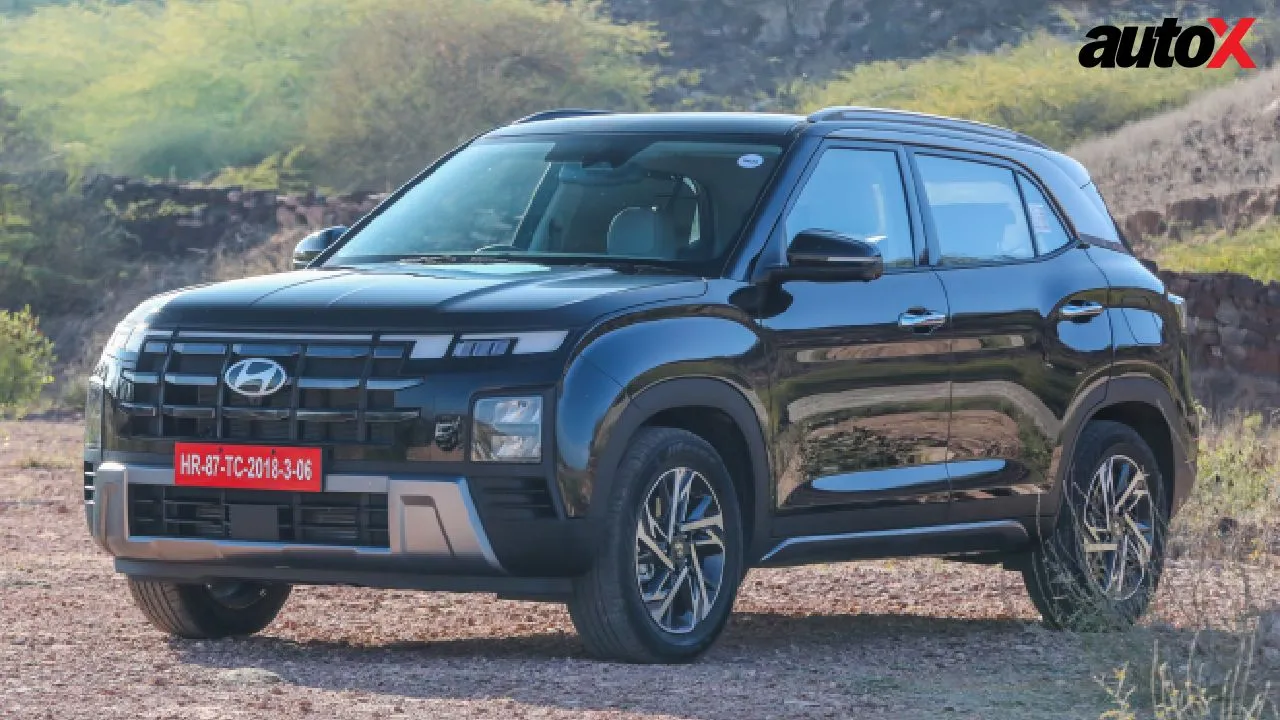
How Has the Hyundai Creta Remained So Popular for Over 10 Years in India?
The Creta has never been dethroned as the leader in its segment since its launch over 10 years ago. What makes it the best-seller that it is?
By Aryan Aggarwal


Few cars have managed to stay consistently relevant for as long as the Creta has. And while market trends haven’t been very favourable for Hyundai lately, the car in question has consistently maintained its position as the segment leader. Moreover, the Hyundai Creta was the third-best-selling car in India according to numbers from the last financial year, ranking just behind the Maruti Suzuki Wagon R and the Tata Punch, with none of its direct rivals in sight.
What makes the Creta the best-selling SUV that it is?
Enter Early, Enter Strong

When Hyundai introduced the renamed ix25 to India in 2015, it was one of the earliest offerings in the then fairly new compact SUV segment. The only direct competition back then were the Renault Duster-Nissan Terrano duo and the Ford Ecosport. With the virtue of having an early-mover advantage and being at the cusp of the SUV wave, the Creta became an instant hit.
Moreover, it introduced features like the option of six airbags and three engines to choose from, appealing to a wider audience than its rivals. The Ecosport did have a few of these features in common, but the Creta outdid the former in terms of its size - and in turn, space.
A Creta for Everyone
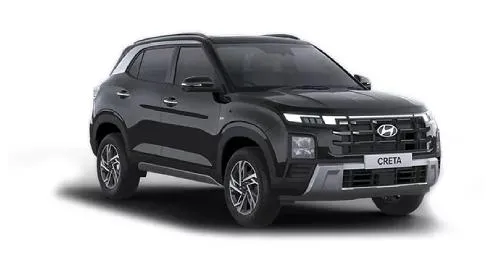
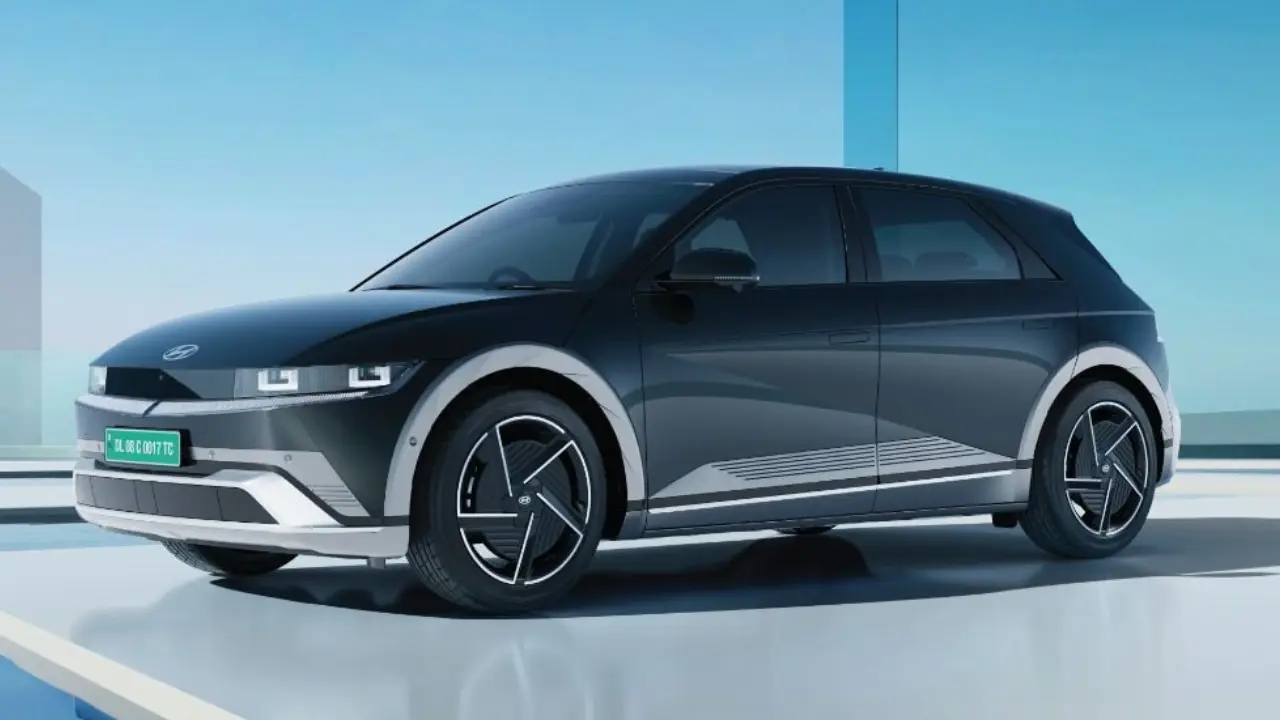
Hyundai has always gone all-in on the Creta, offering a slew of options on the car, be it in terms of powertrains, features, or variants. If we look at the current model, there’s a Creta for you if you have a budget of Rs 12 lakh, and there’s one for you if you’re willing to spend close to Rs 25 lakh, too. By the way, we haven’t even considered the Creta Electric, yet. The low entry-point appeals to first-time buyers, while the feature-loaded top-spec variants appeal to families and working professionals.
Speaking of powertrain options, you can get the Creta with a naturally aspirated petrol engine, a turbo-petrol engine, and even a diesel engine, which most of its competitors do not offer. Plus, you can get any of these engines with a manual or an automatic gearbox. Talk about freedom of choice!
Also Read: Letter from the Editor - Germany vs China: The EV Design Wars
Hyundai has also introduced an electric version of the Creta, which is further available with two battery and motor combinations. Adding to all this, the variant spread for the SUV is extensive, ensuring that buyers at every price point have a Creta to pick.
On the topic of features, Hyundai has been known to stuff its cars with them, and the Creta is no exception. The second-generation model offers Level-2 ADAS, ventilated and powered front seats, dual-zone climate control, drive modes, a Bose sound system, and more.
Keeping Up with the Times
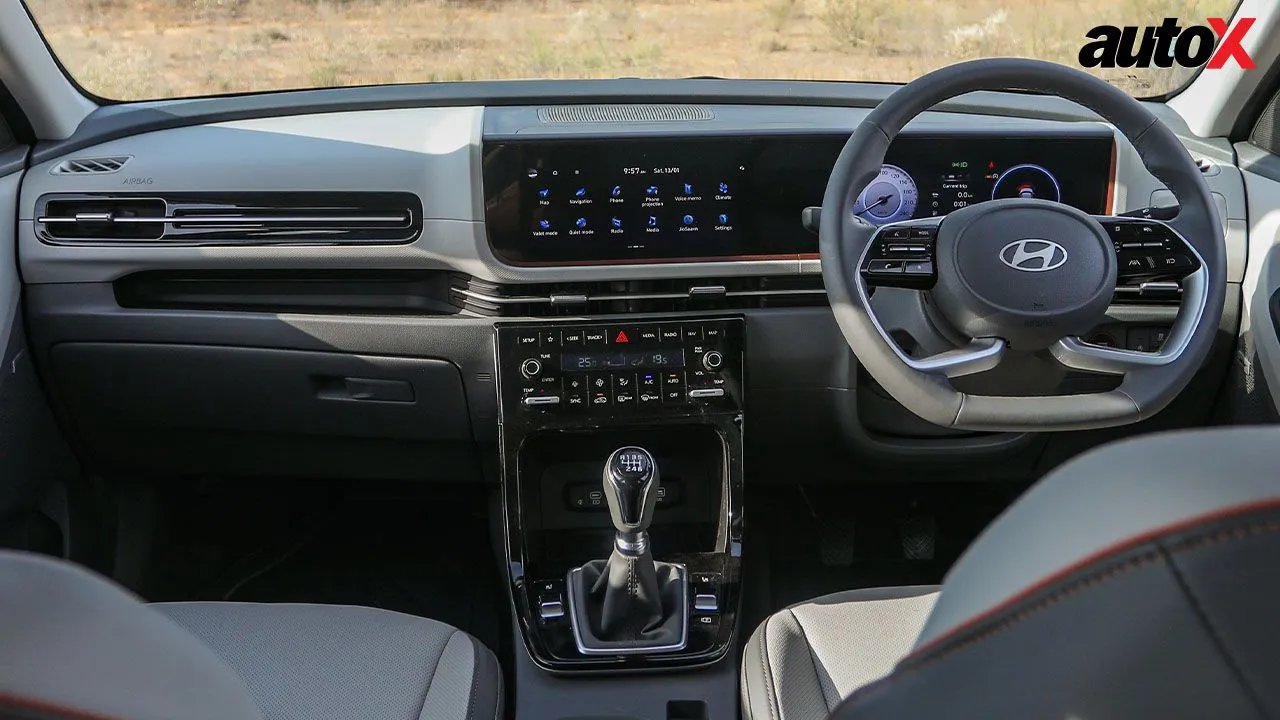
A key factor in the Creta’s success has been the constant updates that it has received throughout its life cycle. It has been ten years since its debut, and Hyundai has already introduced the facelift of the Creta's second-generation model.
Hyundai hasn’t taken the Creta’s success for granted; instead, it has constantly improved its technology and features, safety equipment, space, choice of powertrains, and design (the pre-facelift second-gen Creta's design wasn't universally loved though, but nobody’s perfect, right?).
The Power of the Brand
Hyundai has built a strong brand reputation in the Indian market over the last few decades. Hyundai cars in India are usually known to be reliable, and the brand’s after-sales experience is also reported to be amongst the better ones in the industry. Both these factors add to the desirability of the Creta.
Furthermore, the Creta has been seen to retain a good portion of its value in the used car market, and factors like easy availability of parts and reasonable ownership costs work in its favour.
Also Read: Opinion: CAFE 3 Draft Gives Carmakers the Clarity They’ve Long Demanded — Now They Must Deliver
Adding to that, the initial success of the Creta acted as a catalyst for future sales, as a significant number of buyers tend to choose, or at least consider, what they see in abundance on the road.
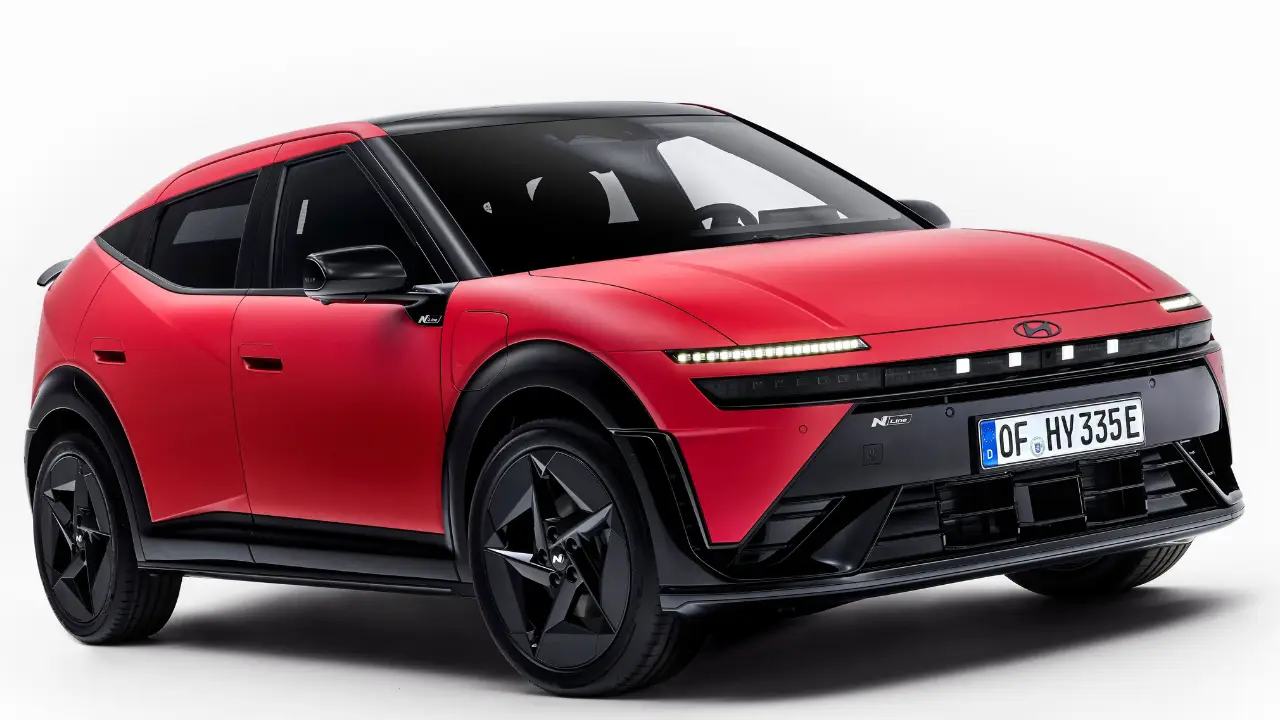
Word of mouth also plays an influential role. It seems that most people looking for mass market cars don’t really want something different; instead, they want what’s popular and reliable. And if you do want something different, there’s the N-Line for that, too.