Volkswagen Virtus Special Feature - Sedan Supremacy
In an SUV-dominated market, the Volkswagen Virtus stands apart with quiet confidence—prioritising precision, engineering depth, and the enduring appeal of the sedan.
By Team autoX
Photography By Team autoX
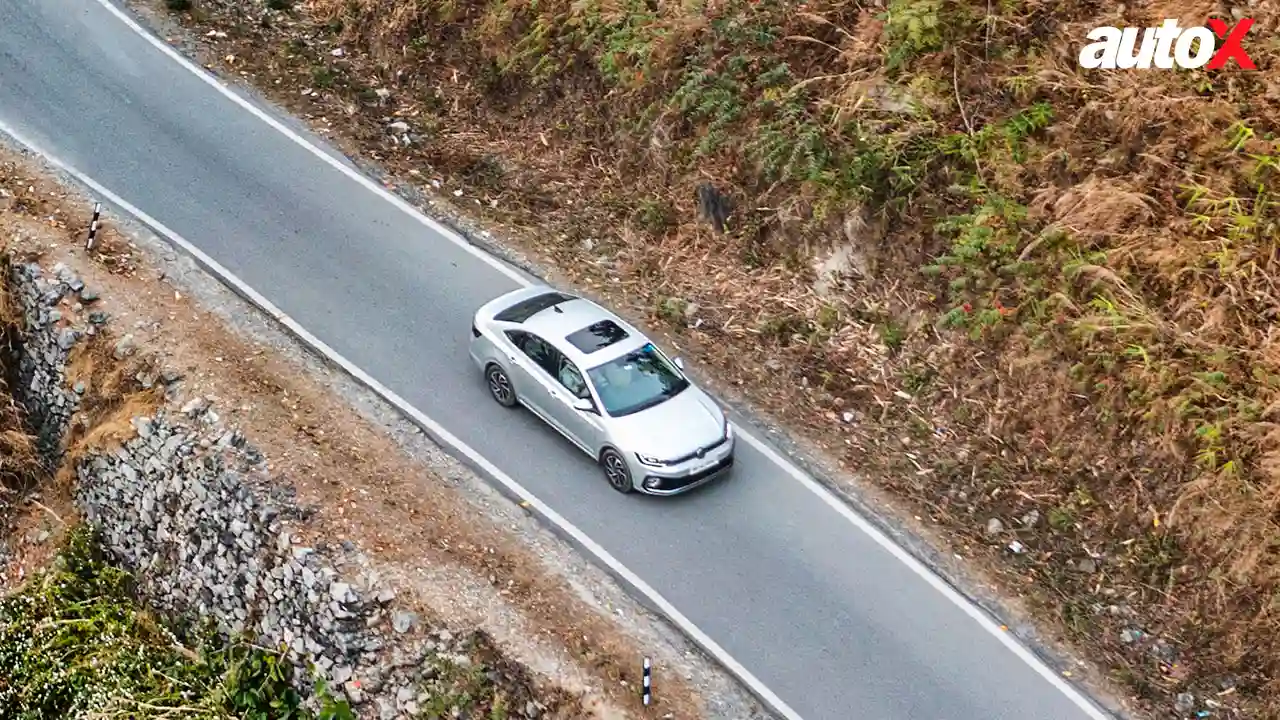
There is something quietly defiant about buying a sedan in 2025. At a time when most of the vehicles on Indian expressways are SUVs of some kind – tall, imposing, and occasionally oversized – a car that sits low, presents a sharp profile, and prioritises driving precision seems like a deliberate statement. The Volkswagen Virtus embodies that statement with conviction.
Volkswagen Virtus MQB A0 IN Platform and Its Impact
The Virtus is based on Volkswagen’s MQB A0 IN platform, an architecture developed specifically for Indian conditions. This foundation directly affects every aspect of the car – from structural rigidity to ride quality. At highway speeds, the Virtus feels solid and stable, while the cabin remains well insulated from road noise.
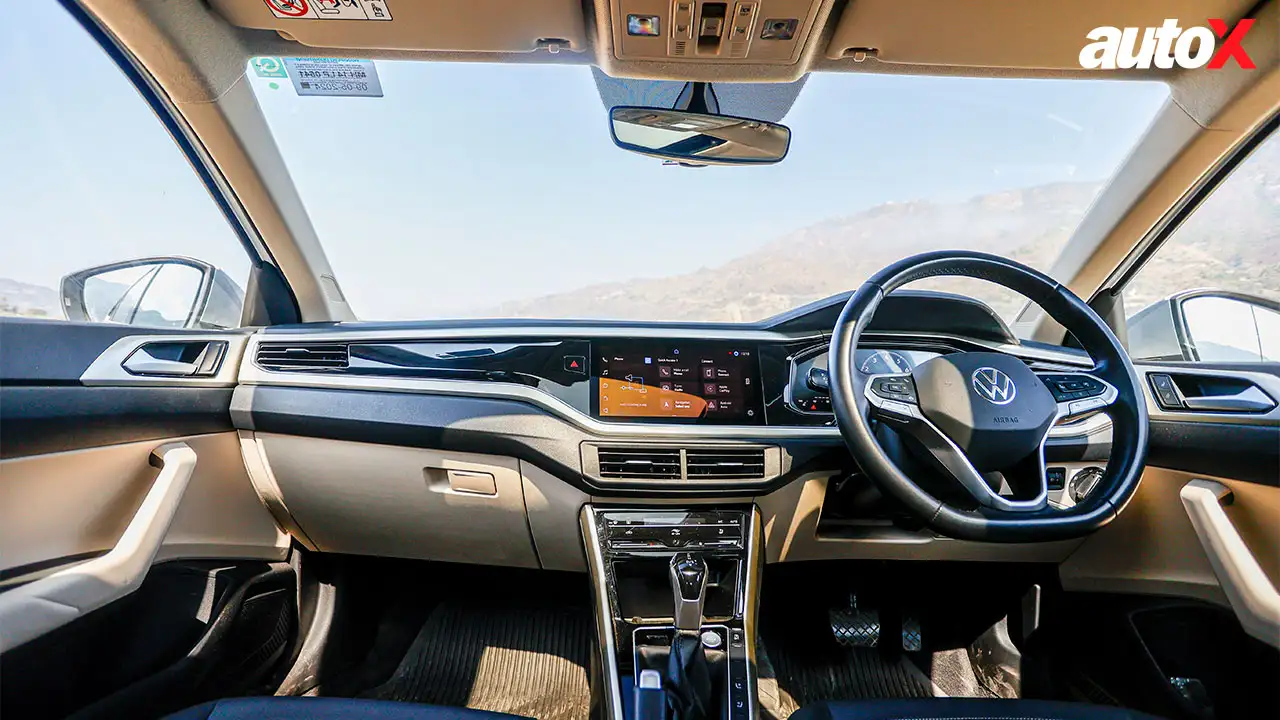
The steering offers sufficient feedback to keep the driver informed without transmitting unnecessary harshness over imperfect surfaces.
It’s a perfect example of German engineering applied with purpose, focused on resolving real-world driving demands rather than projecting superficial sophistication on the spec sheet.
The Case for Choosing the Volkswagen Virtus
The premium mid-size sedan occupies a clearly defined niche. It offers a lower centre of gravity, more predictable cornering dynamics, and a cabin environment that’s well-suited to long-distance travel. For buyers who regularly cover significant distances on national highways, or for those who prioritise a stable, composed driving experience over an elevated seating position, the sedan remains a logical choice.
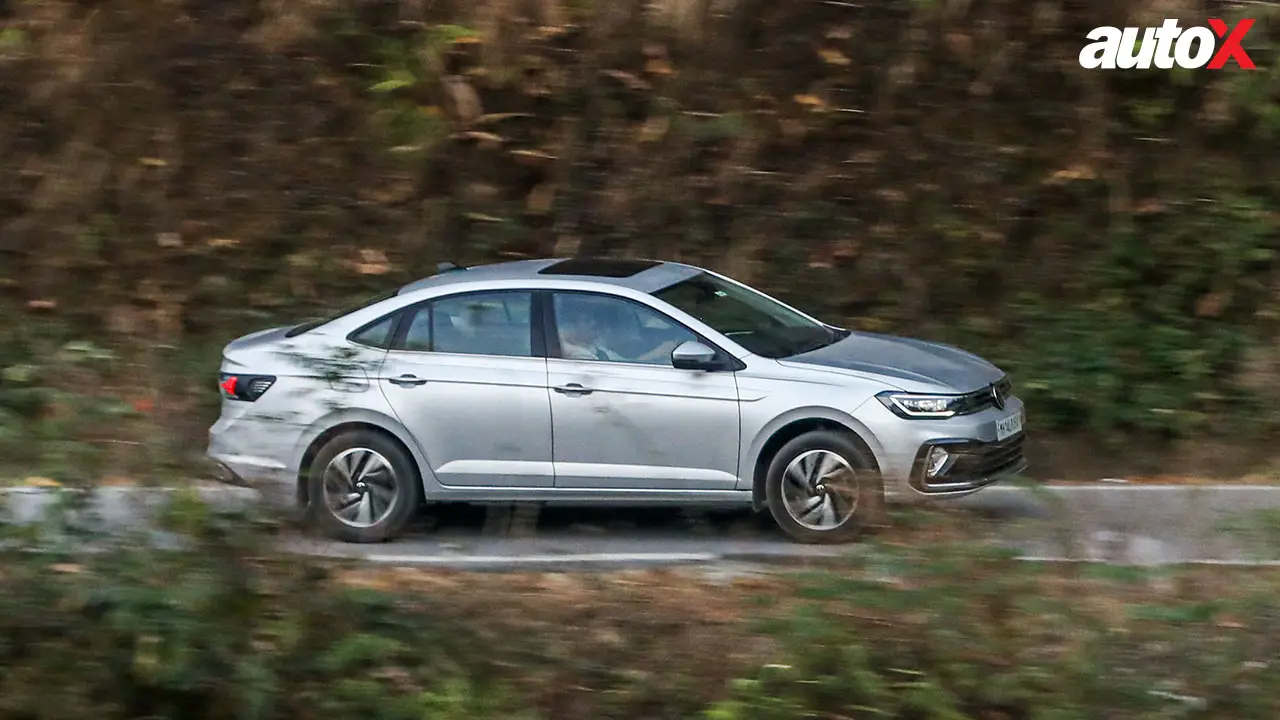
The Virtus does not attempt to mimic the visual drama of an SUV. Instead, it builds on the inherent strengths of the sedan format: aerodynamic efficiency, directional stability, and a rear cabin that accommodates adult occupants without compromise.
Volkswagen Virtus Safety Features
The Virtus is equipped with six airbags as standard across all variants, along with electronic safety systems such as stability control, hill-hold assist, and traction management. At a time when safety ratings increasingly influence purchasing decisions, the Virtus’ structural and safety credentials align with a growing emphasis among Indian buyers on occupant protection.
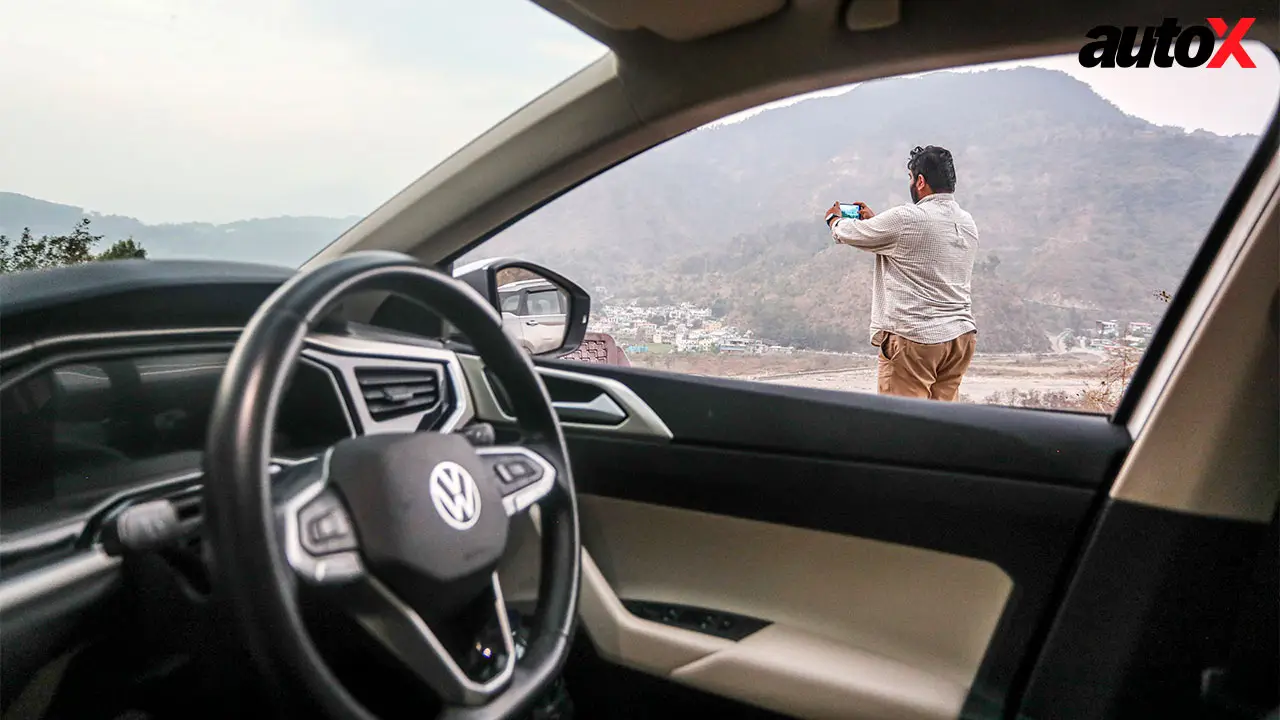
This is significant not as a checklist of features but as evidence that Volkswagen treats safety as a baseline requirement rather than a differentiating add-on.
Volkswagen Virtus 1.0 TSI vs 1.5 TSI Explained
Volkswagen offers the Virtus with two turbocharged petrol engine options: a 1.0-litre TSI and a 1.5-litre TSI. Both engines deliver a level of refinement and responsiveness that sets them apart from typical commuter-focused units. The 1.5-litre TSI, in particular, introduces cylinder deactivation technology to this segment, improving fuel efficiency under partial load without requiring any driver input. In short, the engine does the work; the driver takes the credit.
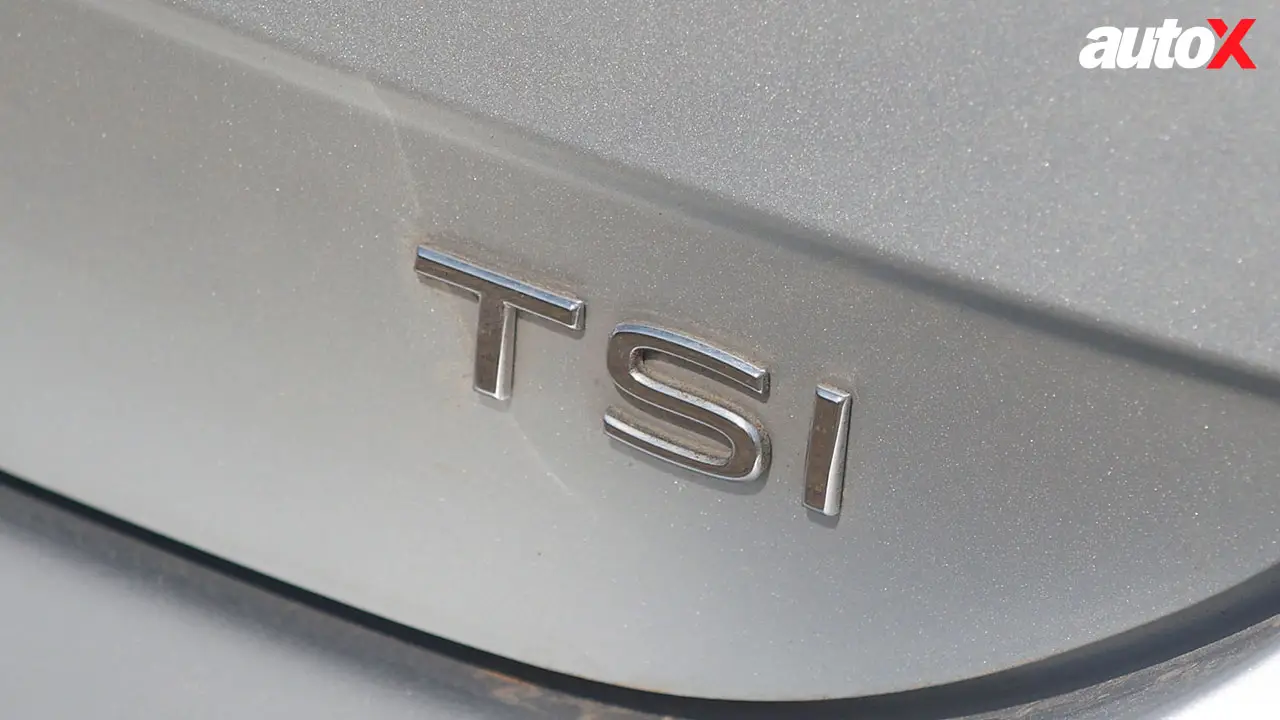
Both engines are paired with either a six-speed manual or an automatic transmission. In both configurations, the Virtus prioritises refinement while retaining driver engagement.
Volkswagen Virtus vs SUVs
It would be reductive to view the Virtus as a continuation of Volkswagen’s historical commitment to the sedan format. Such a perspective overlooks its strategic role within the brand’s portfolio. In a market dominated by SUVs, the Virtus functions as a deliberate portfolio anchor. It appeals to a distinct buyer profile – typically more experienced, brand-conscious, and often loyal – and reinforces Volkswagen’s emphasis on engineering integrity over sheer volume.
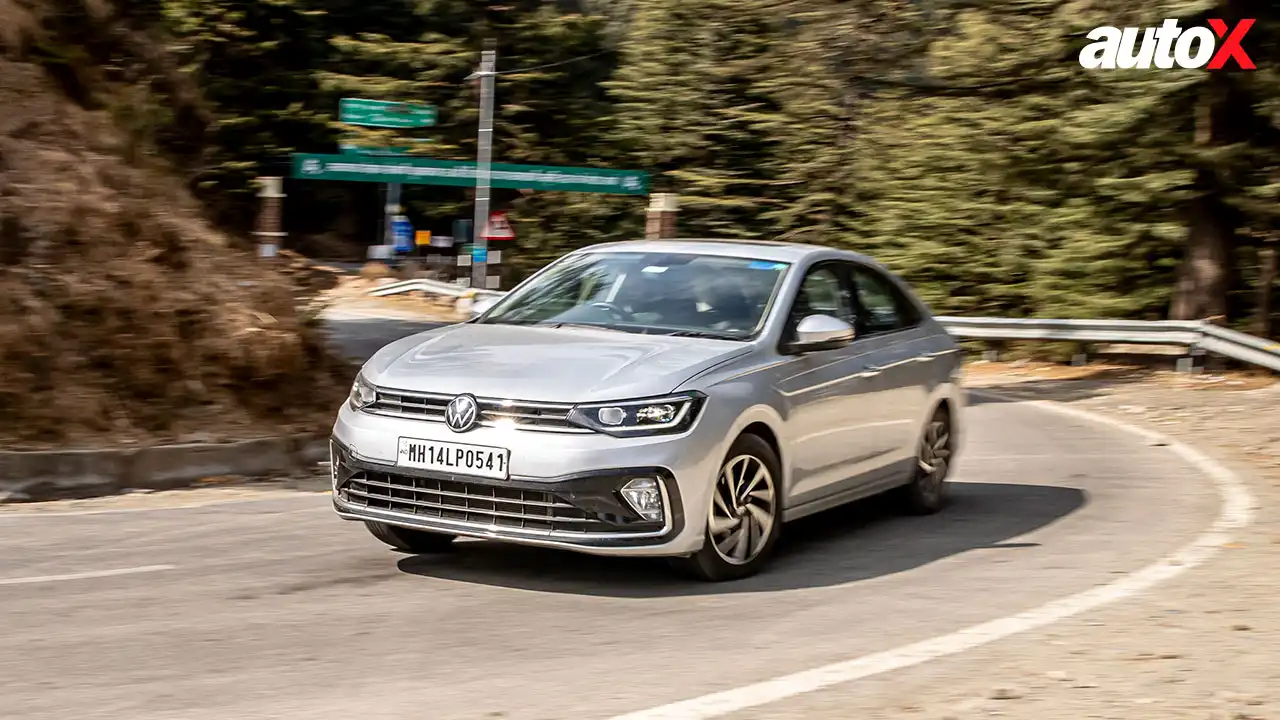
The Virtus doesn’t need to dominate segment sales and outsell every competitor. Its role is to represent Volkswagen’s core values with clarity, and in that respect, it fulfils its purpose effectively.
Why Buy the Volkswagen Virtus?
The Virtus is aimed at buyers who approach their purchase with intent. These are individuals who carefully evaluate their requirements, assess competing options, and ultimately prioritise driving dynamics and structural integrity over visual drama or perceived presence. In short, a car that behaves like a car, rather than one that merely looks appealing.
Such buyers remain relevant, even if current market trends suggest otherwise. They are also the kind of buyers whom a brand like Volkswagen has always understood well.
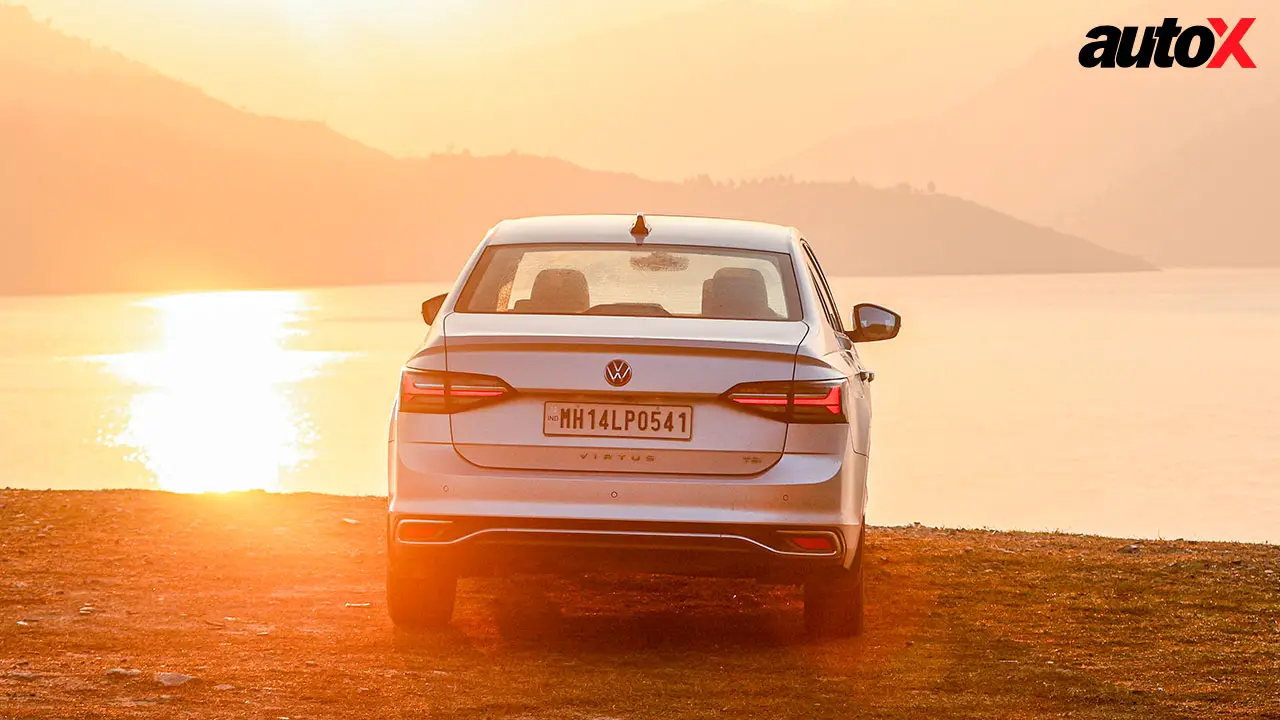
In a segment increasingly shaped by aspiration rather than engineering depth, the Virtus makes a straightforward case: it is well built, thoughtfully positioned, and genuinely rewarding to drive. For a certain kind of buyer, that is more than enough. For Volkswagen, that’s precisely the point.
-1775548972962.webp "Volkswagen Taigun Facelift Variants Explained: Which One Should You Buy?")
-1775548902482.webp "Volkswagen Taigun Facelift India Launch Tomorrow; Here’s How Much It Could Cost")