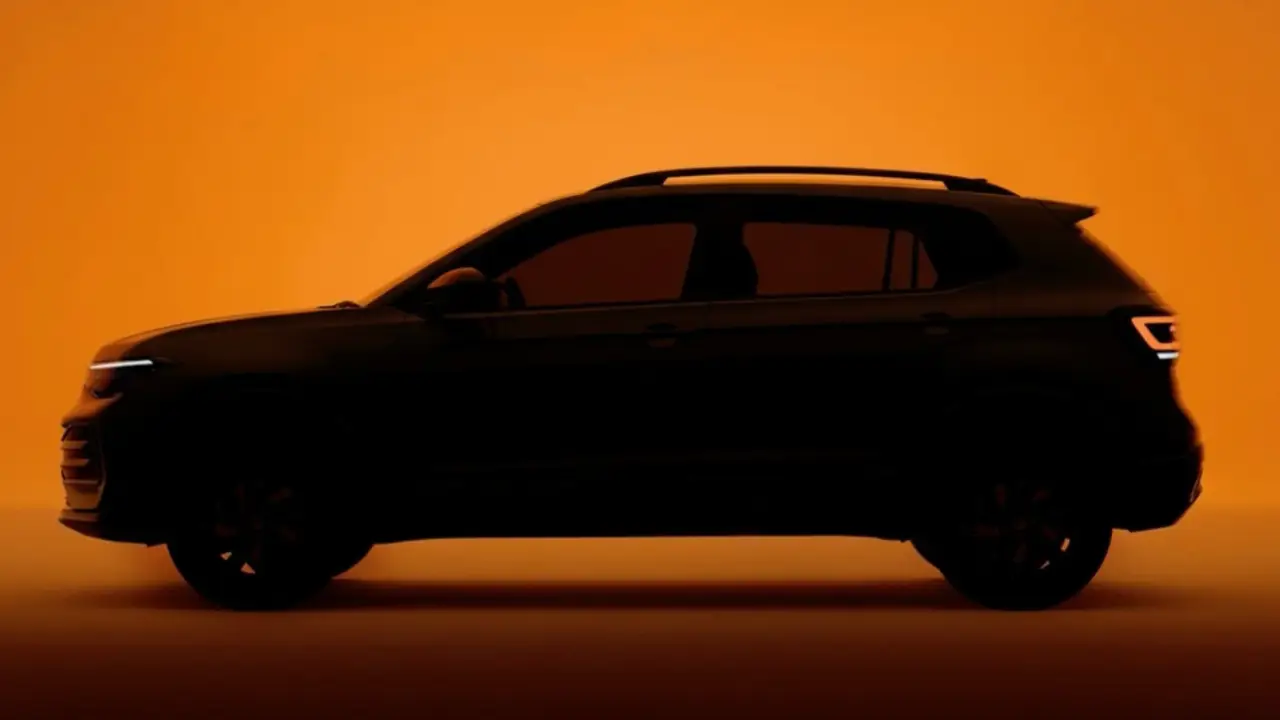
New Volkswagen ID.3 Neo Unveiled with up to 630km Range, Bigger 13-inch Display
The top-spec 79kWh battery version of the ID.3 Neo supports DC fast charging at up to 183kW, while the 50kWh and 58kWh battery packs are compatible with speeds of up to 105kW.
By Sanorita

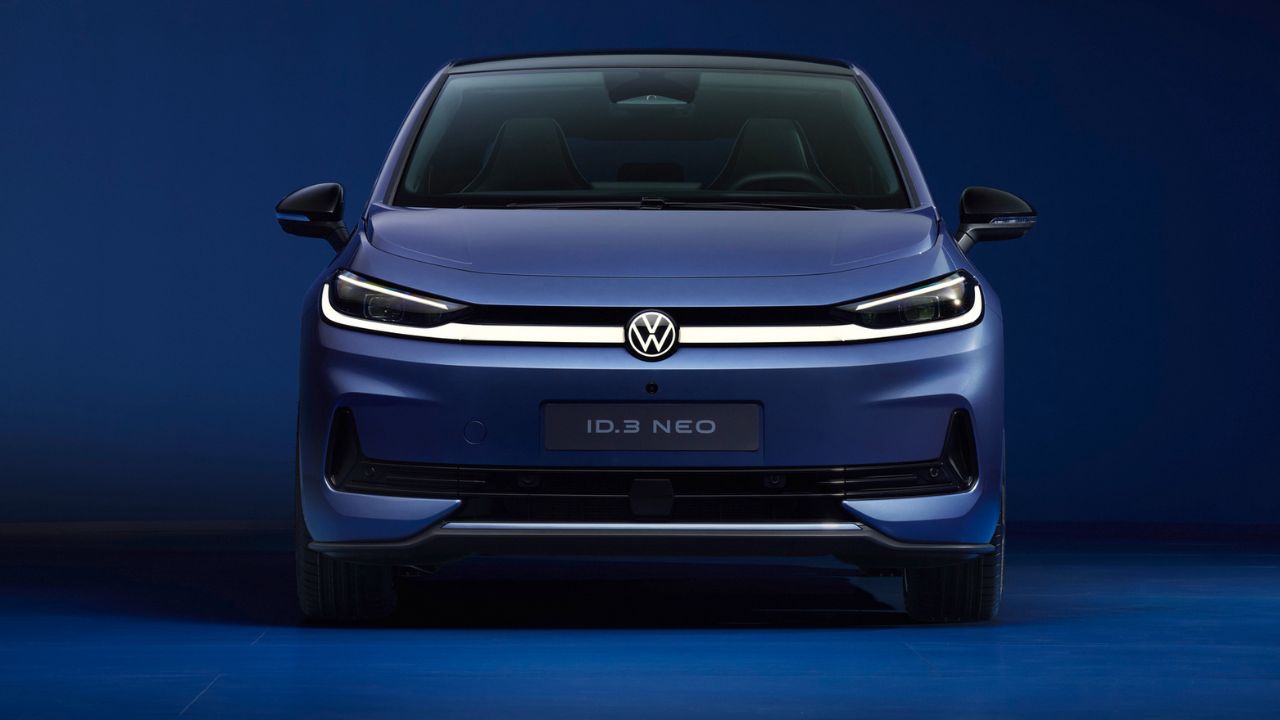
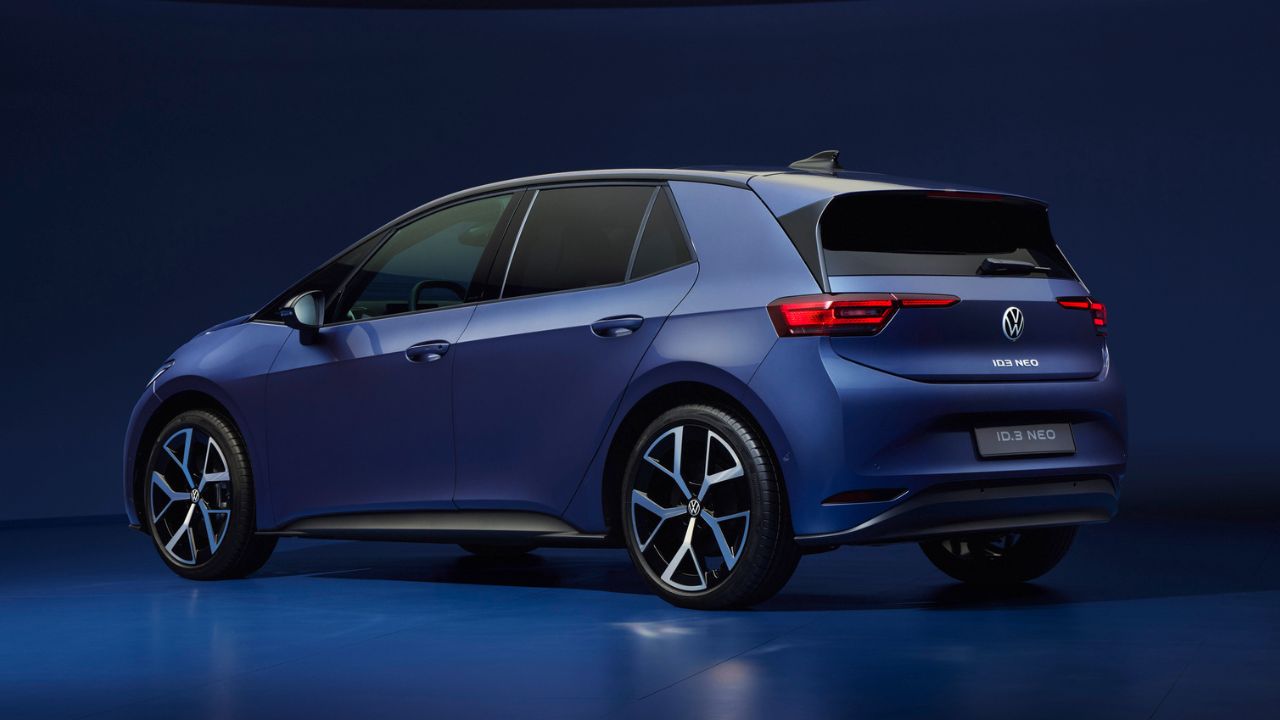
Volkswagen has lifted the covers off the successor to the ID.3 electric hatch for global markets, which, besides updated exterior and interior elements and improved performance, now carries the ‘Neo’ suffix. While the core design remains largely unchanged, the second facelift comes with a subtly revised front, featuring a continuous LED light strip and an illuminated logo. It now sports a body-coloured finish on the roof, rear spoiler, and tailgate in place of the previous gloss black. That said, the updated electrified hatch keeps the conventional door handles, and the split taillight setup while adding newly-designed alloys. Here’s all you need to know about what’s changed in the Volkswagen ID.3 Neo.
Volkswagen ID.3 Neo: Interior
The interior has seen a remarkable step up in terms of quality, design, and practicality. The use of higher-quality materials gives a more premium look, while a cleaner, more structured dashboard layout adds to the uncluttered look.
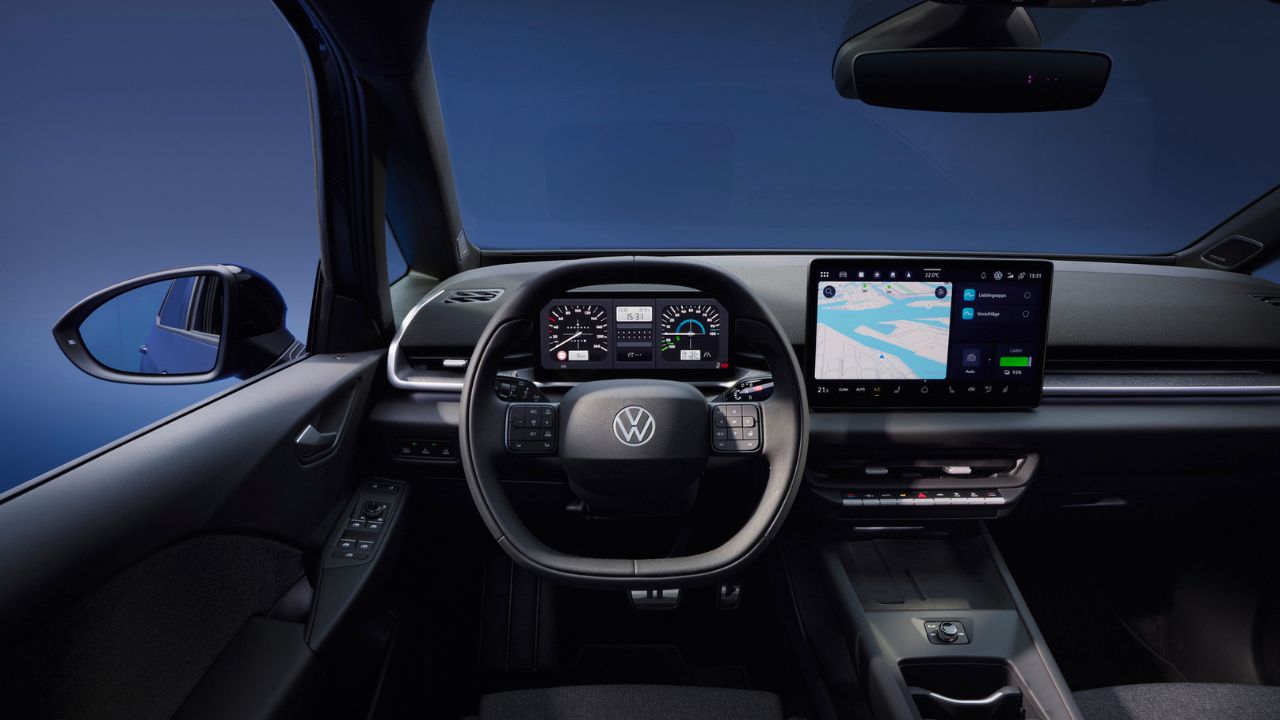
The controls have been redesigned to be more intuitive, with easy-to-reach buttons and simplified operation for key functions. Moreover, the steering wheel is now flatter at the top and bottom, with better-arranged buttons. In addition, the ID.3 Neo gets a 10.25-inch digital driver's display and a 13-inch touchscreen.
Volkswagen ID.3 Neo: Battery, Range, and Charging
The Volkswagen ID.3 Neo features a new-generation electric drivetrain. The bigger 79kWh battery pack with 227bhp enables a range of up to 630 kilometres (WLTP). This is an increase of around 32 kilometres over its predecessor. The top-spec 79kWh variant also supports DC fast charging at up to 183kW.
Alongside this, Volkswagen continues to offer multiple configurations, including a 50kWh battery with 168bhp and a 58kWh unit with 188bhp. In terms of charging, the 50kWh and 58kWh battery packs support DC fast charging at speeds of up to 105kW.
-1775548972962.webp "Volkswagen Taigun Facelift Variants Explained: Which One Should You Buy?")
-1775548902482.webp "Volkswagen Taigun Facelift India Launch Tomorrow; Here’s How Much It Could Cost")