Renault RGEP Platform Explained: What It Means for Entry-level Car Buyers in India
The new RGEP (Renault Group Entry Platform) will replace the existing CMF-A platform found in models such as the Kwid, Triber, and Kiger.
By Sanorita

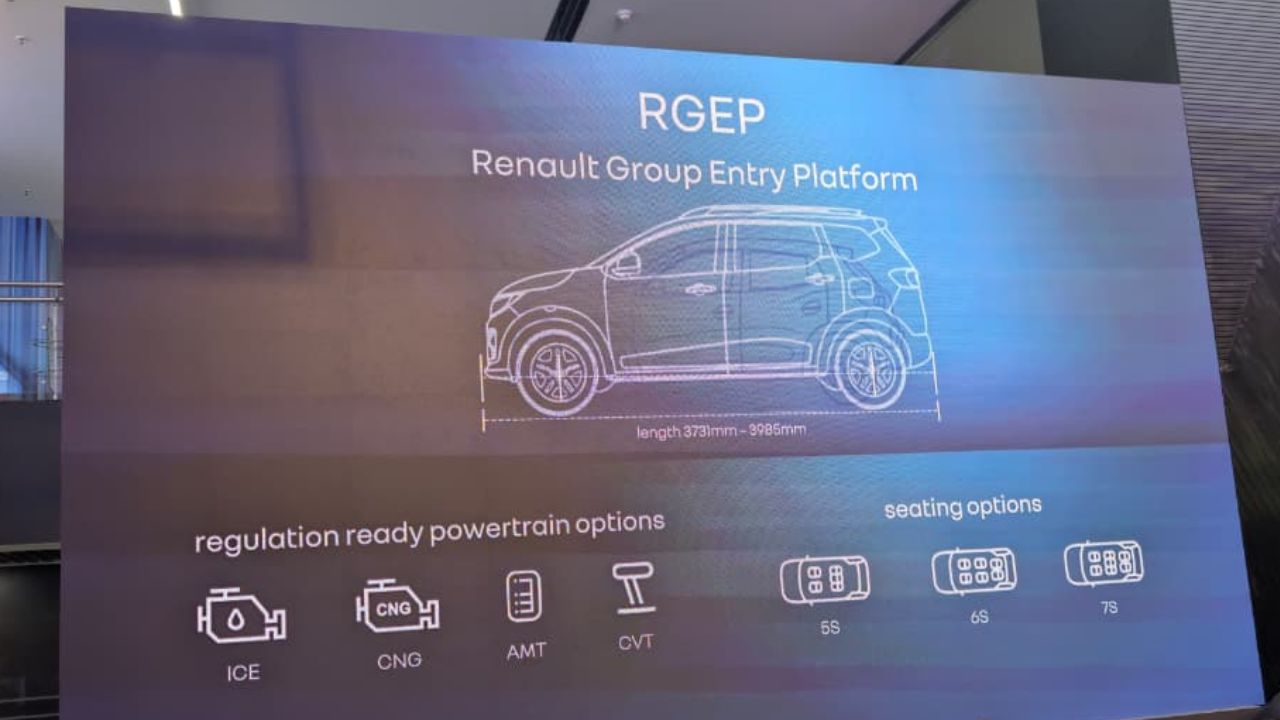
Renault hit the sweet spot in the entry-level car segment with the Kwid (launched in 2015), which was its first made-in-India product for the sub-Rs 4 lakh segment. However, it couldn’t keep up that success for long, as a limited product lineup and growing competition from Maruti Suzuki, Hyundai, and Tata Motors began to take a toll on its market share. Now, the carmaker is gearing up for a comeback with new platforms and products to regain lost ground. As part of this strategy, Renault has revealed the new RGEP (Renault Group Entry Platform), which will replace the existing CMF-A platform used in models like the Kwid, Triber, and Kiger. The new platform will target Renault’s cars under Rs 10 lakh, which is one of the most competitive segments in India, and is currently occupied by models like the Maruti Suzuki Swift, WagonR, Hyundai Exter, Tata Punch, and the Tiago. Here’s an in-depth look at some of the key features of the new platform and what it means for the entry-level car market in India.
RGEP (Renault Group Entry Platform): What Is It?
-1776602262279.webp)
The RGEP, which stands for Renault Group Entry Platform, is Renault’s new multi-energy platform for its entry-level cars. It is more modular and scalable, compared to the outgoing CMF-A architecture, and has the ability to support multiple powertrains, including ICE, CNG, and electric. Additionally, the platform also brings an upgraded electronics setup, allowing for bigger screens, better connectivity, and more advanced features in budget-friendly cars.
RGEP (Renault Group Entry Platform): What It Brings to the Table?
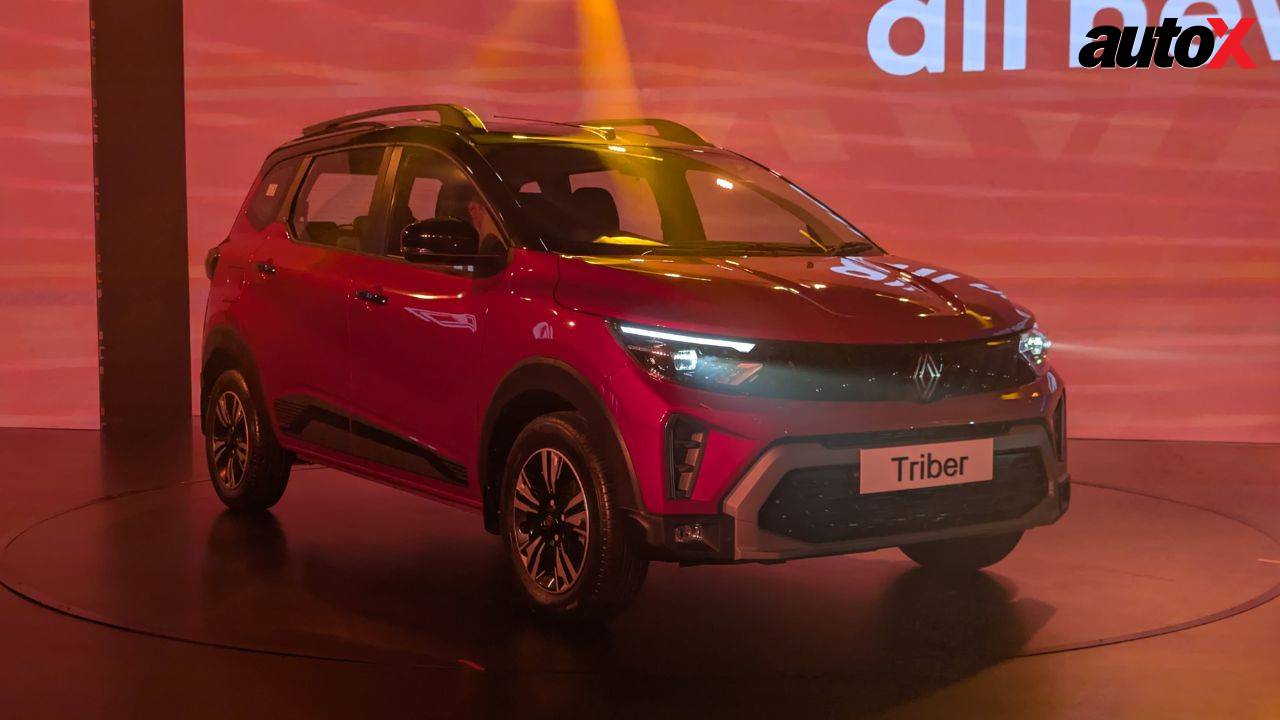
The newly unveiled ‘multi-energy, entry-level’ platform is expected to address some of the key shortcomings in Renault’s current lineup, particularly around performance and practicality. For instance, it will enable the use of a turbo-petrol engine in the Renault Triber, which has often been criticised for feeling underpowered. In the under Rs 10 lakh segment, buyers now expect a balance of good fuel efficiency and responsive performance, where rivals, especially hatchbacks and micro-SUVs, have an edge. A more powerful engine could help address a key buying concern and position the Triber as a more appealing option.
Another major highlight is a more integrated CNG setup, with tanks placed under the floor to ensure there’s no impact on boot space or cabin usability. The use of high-strength materials and a revised crash structure will also help in improving overall safety.
RGEP (Renault Group Entry Platform): What It Means for Budget-friendly Car Buyers in India?
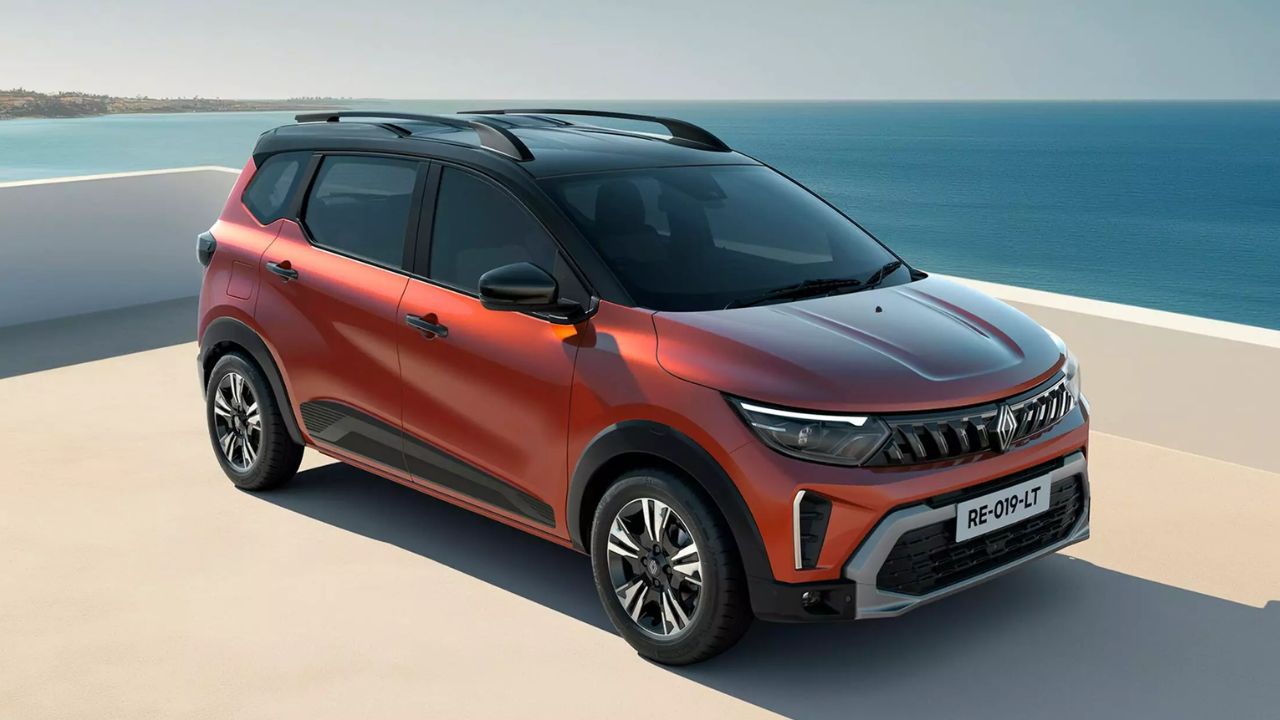
The new platform could mean better value for money for entry-level car buyers in India. With a strong focus on localisation (up to 90%) Renault can keep costs in check while offering more features and flexibility in models like the Kiger and Triber, making them a more attractive option for buyers looking for well-equipped cars under Rs 10 lakh. While there’s no confirmation, Renault is likely to launch the first RGEP-based updates on the Kiger and Triber by the festive season of this year.
-1773142094141.webp "Production-spec Renault Bridger to Get New 1.2-litre Turbo; Debut Likely at Bharat Mobility Expo 2027")
-1773732078827.webp "Renault Duster Hybrid Version Sold Out for 2026; Bookings Closed Temporarily")