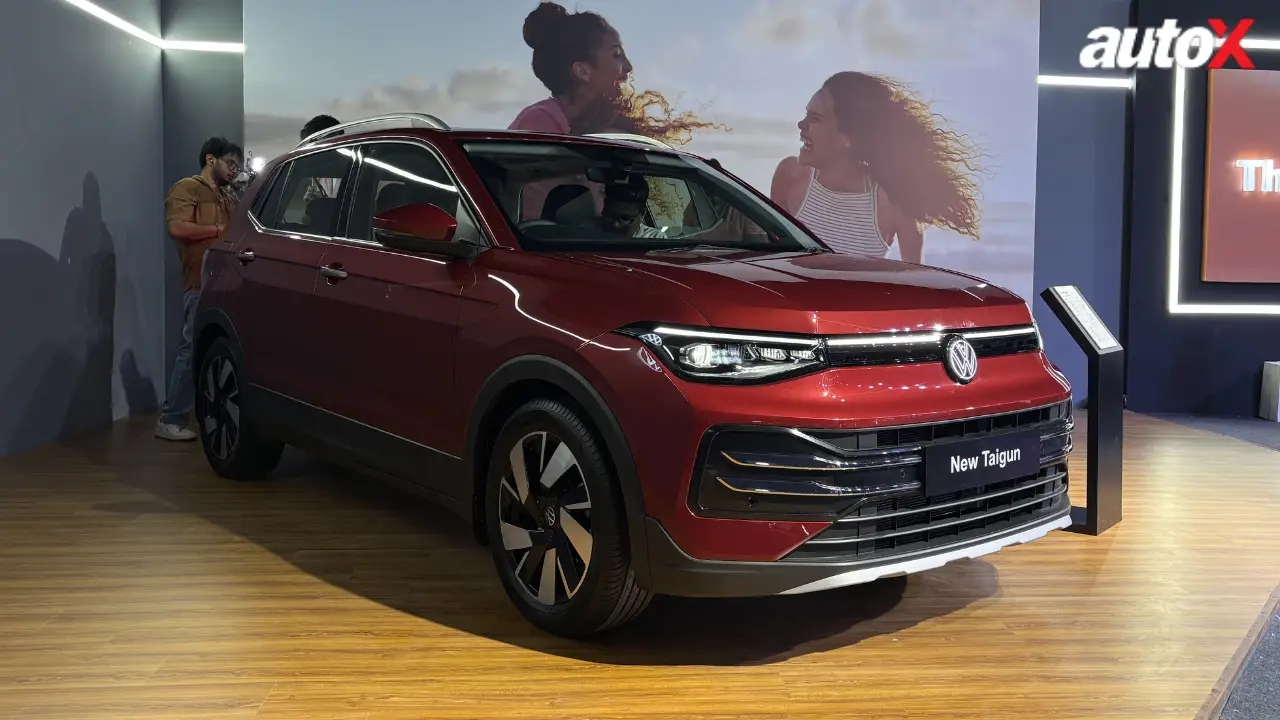
Volkswagen ID.Polo Revealed; Claims 454km Range
Volkswagen ID Polo gets three EV powertrain options, up to 208bhp, a claimed 454km range, and DC fast charging capability from 10 to 80 per cent in 23 minutes.
By Divyam Dubey

-1777522921088.webp "Volkswagen ID Polo (2)")
Volkswagen has revealed the ID. Polo, and this marks a major shift for one of its best-known hatchbacks. For the first time, the Polo badge has entered the EV space, bringing electric power to a nameplate that has long been linked with practical hatchback motoring. Built on Volkswagen Group’s MEB+ platform, the ID Polo offers up to 454km of claimed WLTP range, three powertrain choices, and more boot space than the petrol Polo. Pre-sales in international markets begin in late April 2026, with prices in Germany starting at EUR 24,995 (approx. Rs 27.75 lakh).
Also Read: Golf GTI vs Octavia RS vs Cyberster vs M340i - Game of Thrones
With multiple battery options and power outputs, the ID Polo appears designed to serve both daily city users and buyers who want stronger long-distance usability from a compact hatchback.
Volkswagen ID Polo: Design
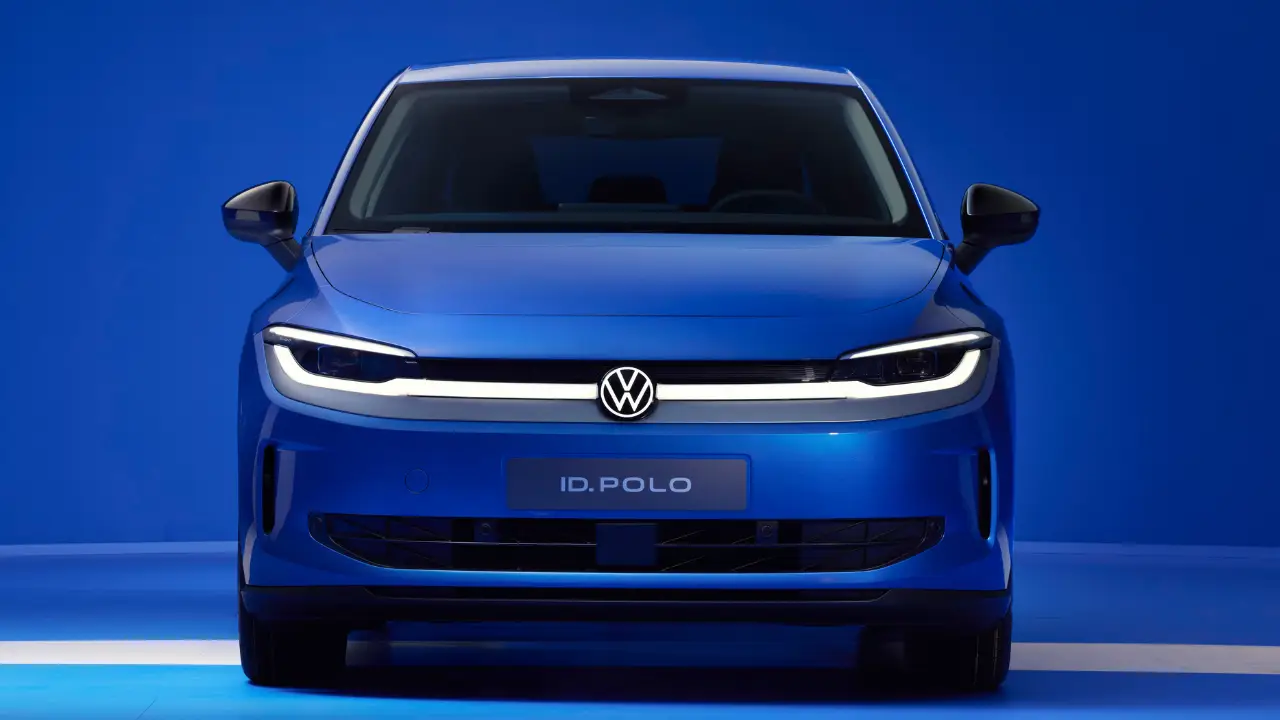
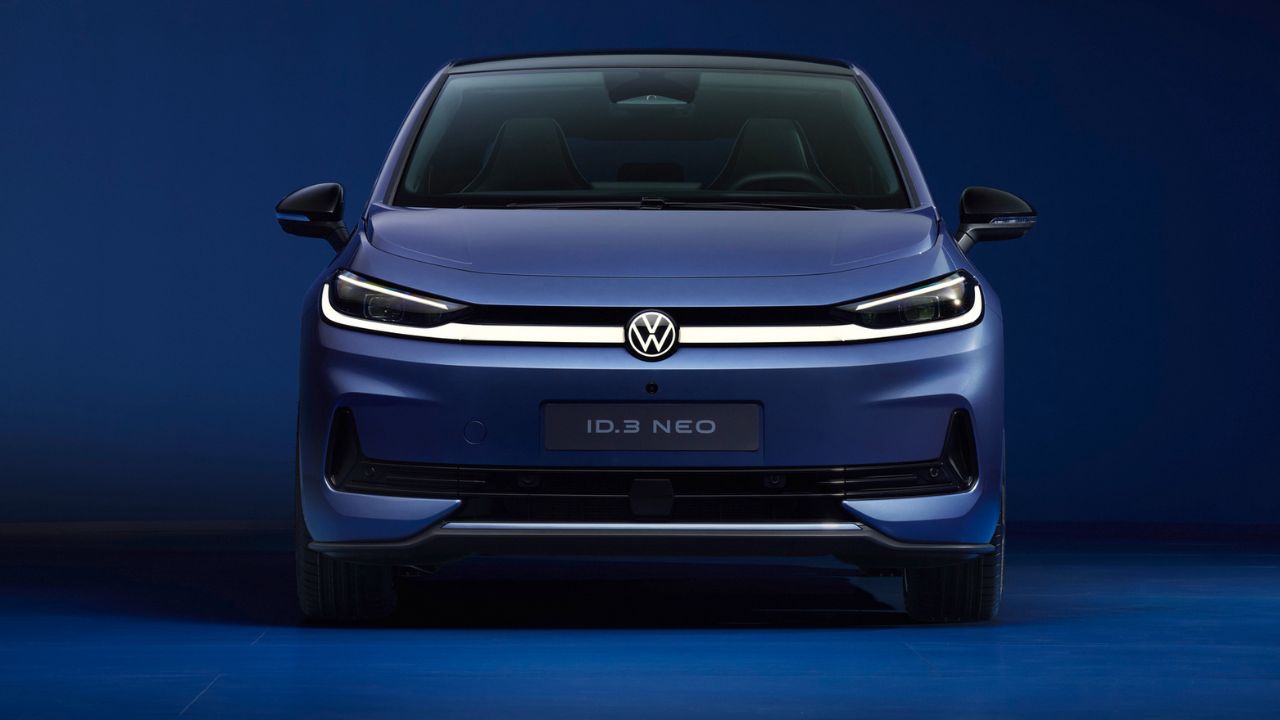
The ID Polo is the first Volkswagen model to introduce the company’s new Pure Positive design language. At the front, the hatchback gets connected LED headlamps with DRLs, an illuminated Volkswagen logo, and a closed-off grille that separates it from its combustion-engine counterpart. The bumper also features vertical air intakes, a broad air dam, and splitter-style detailing that gives the nose a sharper identity.
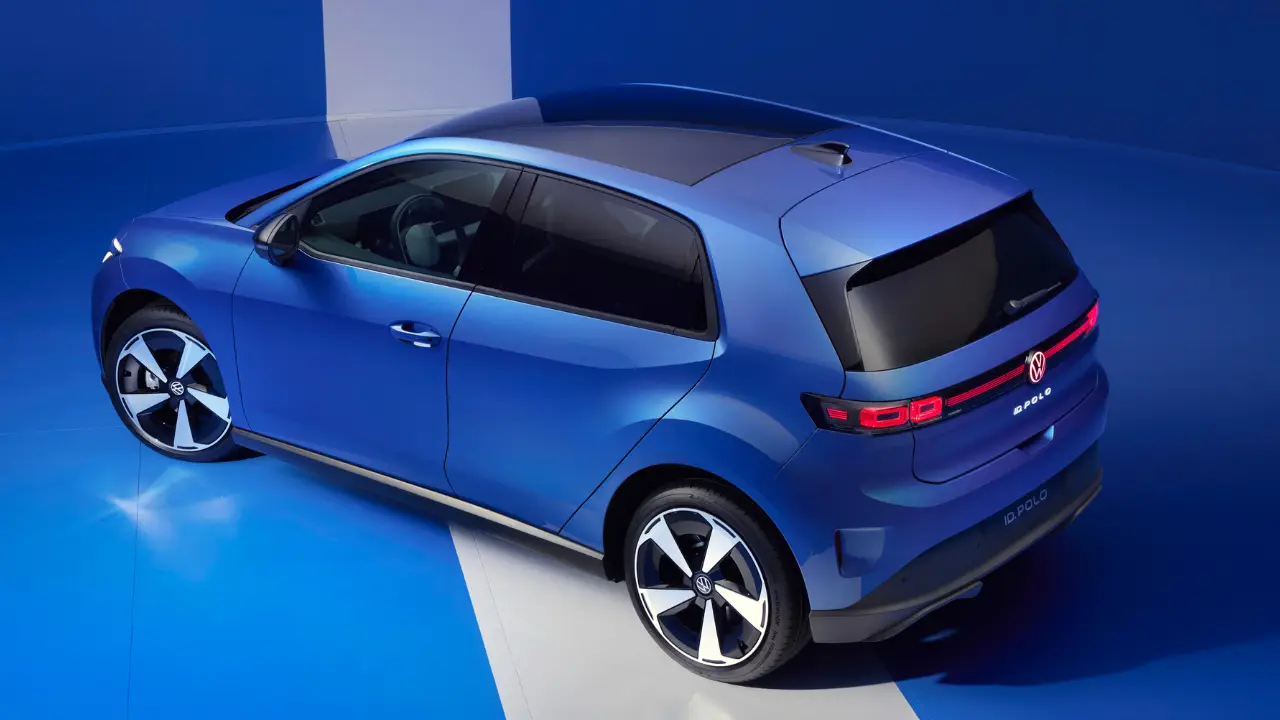
At the rear, Volkswagen has used a full-width LED light bar, illuminated branding, a roof spoiler, and a bumper with diffuser-style treatment. From the side, the ID Polo retains familiar proportions, which helps preserve its hatchback identity, while flared wheel arches, sharper body creases and aero-style alloy wheels.
Volkswagen ID Polo: Interior
Inside, the ID Polo focuses on technology without moving too far away from usability. The dashboard features a 13-inch infotainment touchscreen with a retro-inspired interface, paired with a 10-inch digital instrument cluster. Volkswagen has also added a two-spoke multifunction steering wheel, while the drive selector now sits on the steering column, helping free up more centre console space.
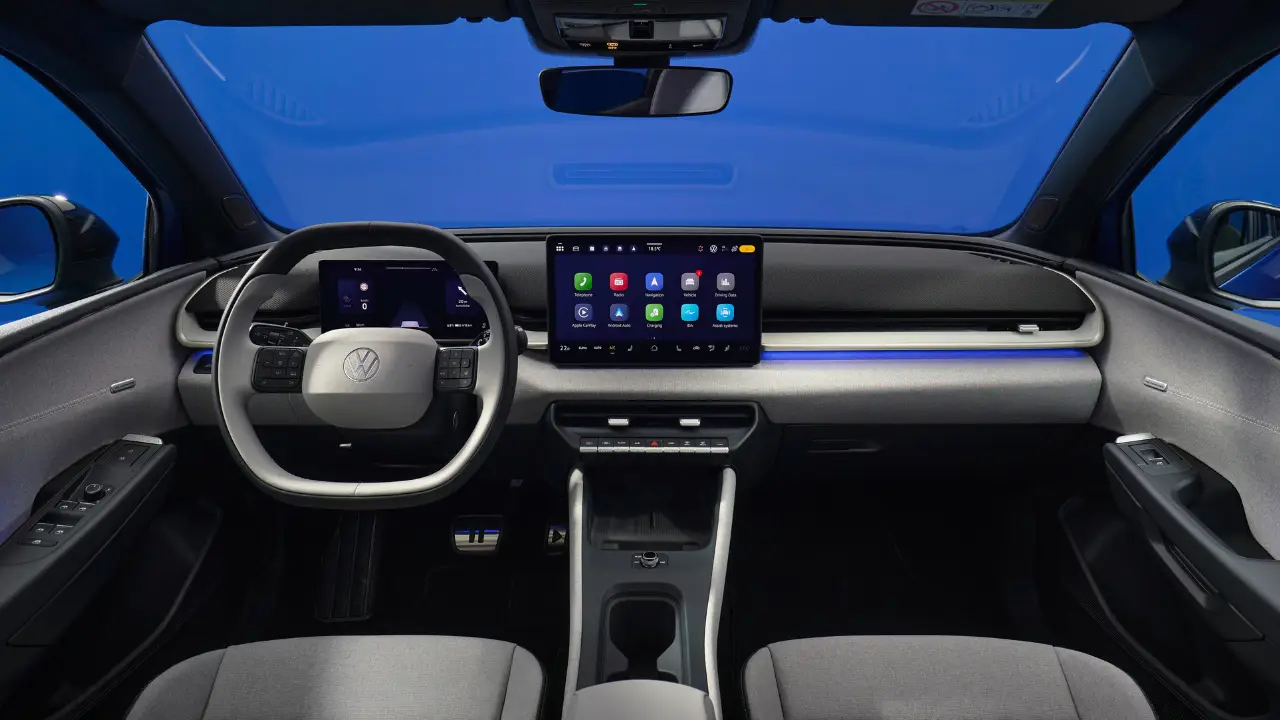
The dedicated EV platform also improves practicality. Boot space has increased from 351 litres in the petrol Polo to 441 litres in the ID Polo. Fold the rear seats, and that figure expands to 1,240 litres. Equipment includes travel assist, traffic sign recognition, one-pedal driving, wireless charging, and in higher trims, buyers can add Harman Kardon audio, panoramic glass roof, powered seats, and massage seats.
Volkswagen ID Polo: Powertrain
Volkswagen is offering the ID Polo with three powertrain configurations. The 114bhp and 133bhp versions use a 37kWh LFP battery pack and deliver up to 329km of claimed WLTP range. These variants also support DC fast charging from 10 to 80 per cent in 23 minutes, making them suitable for regular urban and suburban use.
The range-topping 208bhp version uses a larger 52kWh NMC battery pack and delivers the headline 454km WLTP range. DC fast charging from 10 to 80 per cent takes 24 minutes. By offering both LFP and NMC battery chemistry, Volkswagen is covering different buyer priorities, from affordability and durability to longer range and stronger performance.
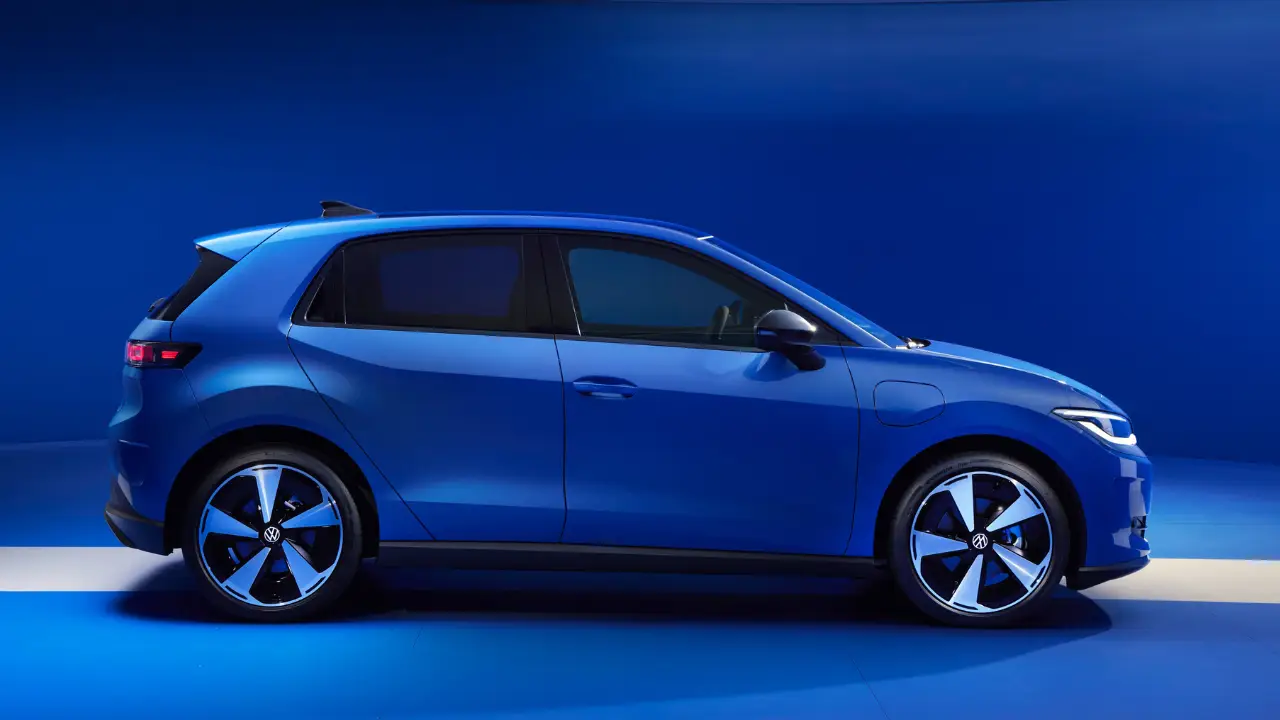
The ID Polo feels like more than just an electric version of an existing hatchback. Volkswagen has kept the shape and practicality that made the Polo relevant while adding the benefits of a dedicated EV platform. For buyers looking at compact electric hatchbacks, the ID Polo could become an important option as the segment continues to expand.
-1775548972962.webp "Volkswagen Taigun Facelift Variants Explained: Which One Should You Buy?")