Renault Duster First Drive Impressions - Second Wind
The Duster is back - and this time, it means serious business. With a stronger focus on performance, can it reclaim its place in the mid-size SUV segment?
By Shivank Bhatt

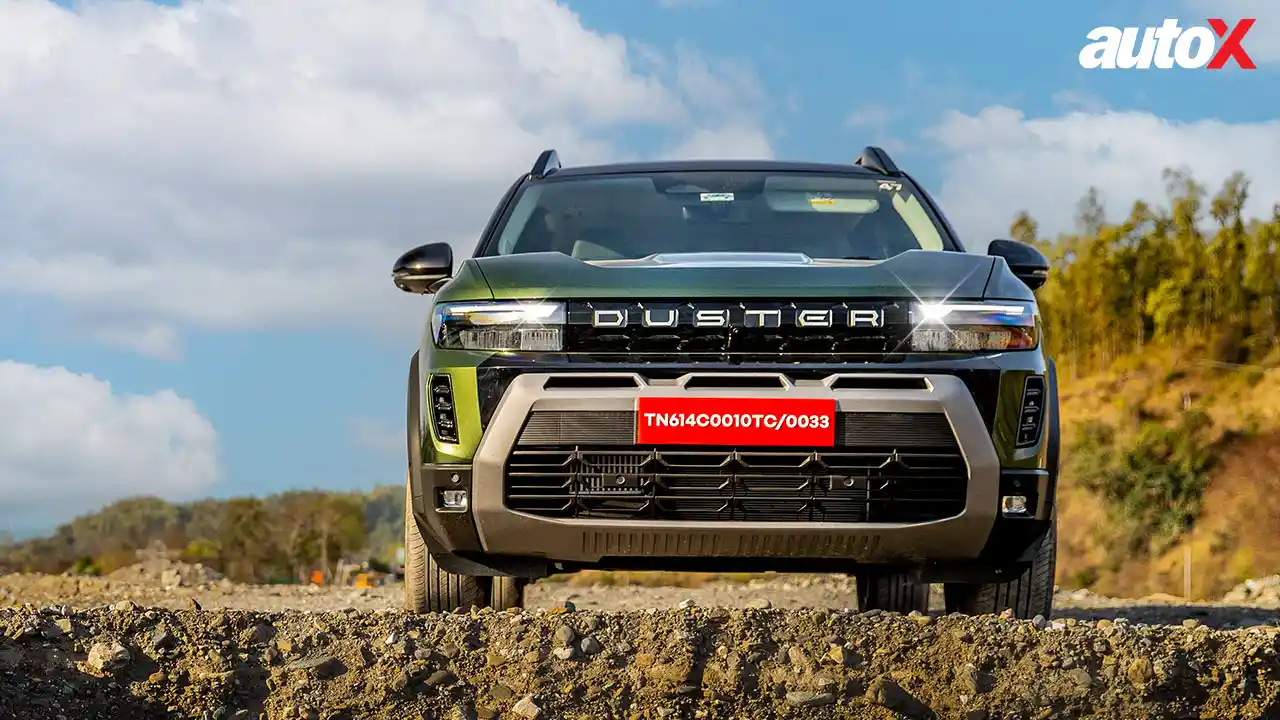
At the risk of sounding like a broken record, it was the Renault Duster that truly kick-started the mid-size SUV wave in India back in 2012. It went on to become a massive success story – but more importantly, it carved out a whole new direction for the industry. From that point on, SUVs didn’t just grow in popularity – they went on to dominate the market. Essentially, you can love – or loathe – the Duster for making SUVs mainstream in India.
While the Duster was an instant crowd favourite, there’s no denying it gradually began to lose its sheen with the arrival of the Hyundai Creta. The Creta brought a similar formula to the table but wrapped it in a far more polished, premium package. Where the Duster felt rugged and utilitarian, the Creta felt refined and car-like – an approach that struck a chord with Indian buyers and helped it establish an authority that remains unshaken to this day.
Renault, unfortunately, failed to read the room. Instead of evolving with the market, it let the Duster age, fading into oblivion. In many ways, the Duster became a victim of its own success – setting the benchmark, only to be outclassed by those who learned from it.
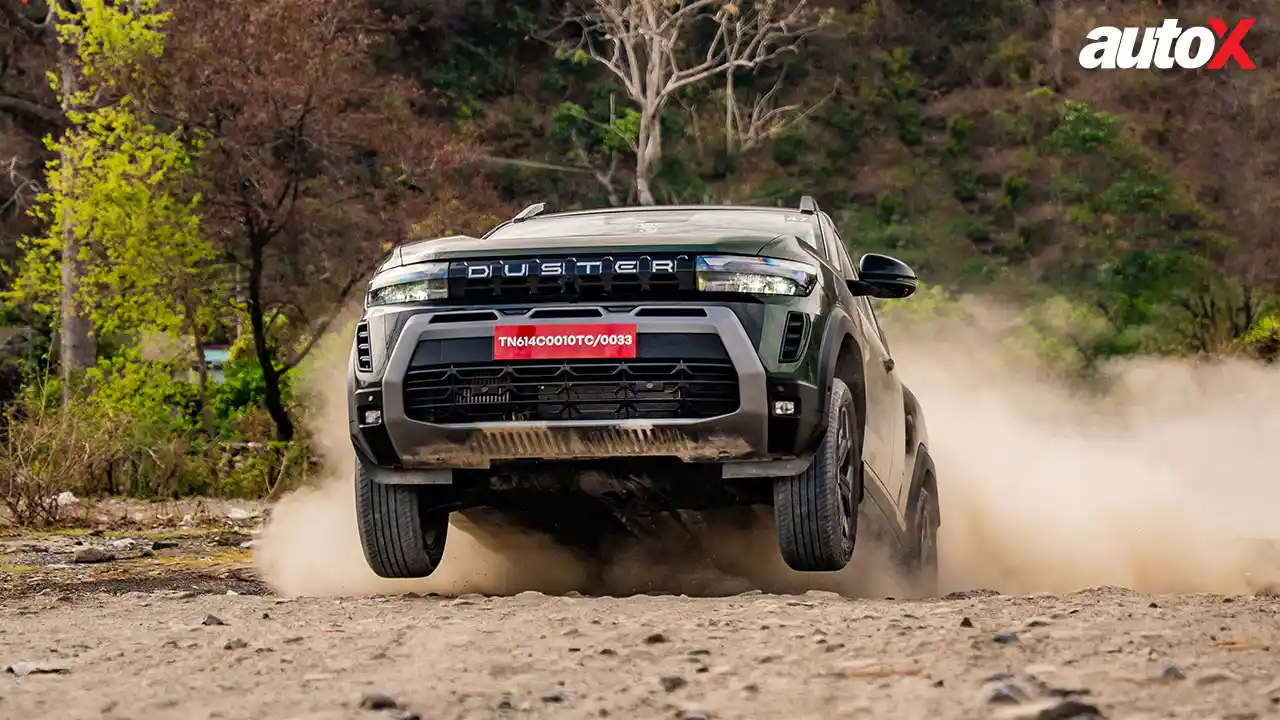
Now, though, the Duster is back in business, and after driving it, I can tell you that it’s out for blood!
Driver’s Delight
Let’s cut to the chase. I sampled the 1.3-litre turbo-petrol paired with a manual gearbox. With 161bhp and 280Nm on tap, the new Duster boasts class-leading numbers – and out on the road, it certainly lives up to the claim. This could very well be the drivetrain of choice for enthusiasts.
Thumb the start button, and the engine nonchalantly hums to life. There’s a noticeable lag below 2,000rpm, but once you cross that threshold, the engine comes alive – and how!
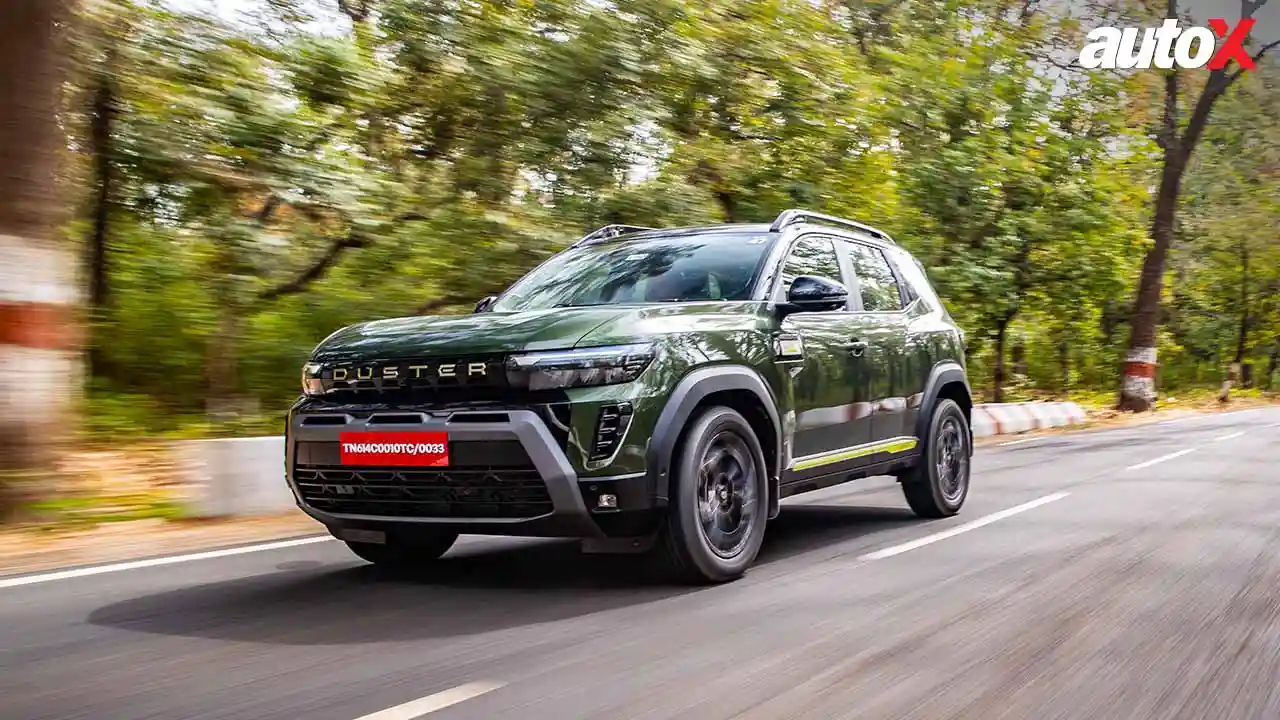
From 2,000rpm all the way to its 6,000rpm redline, power delivery is strong, linear, and seriously addictive. What really impresses is the breadth of the powerband – it feels flexible and usable in almost every situation, whether you’re cruising, overtaking, or charging up a mountain road.
In many ways, the mid-range punch is similar to a diesel engine, minus the clatter. And then there’s the manual gearbox – easily one of the highlights of the entire package.
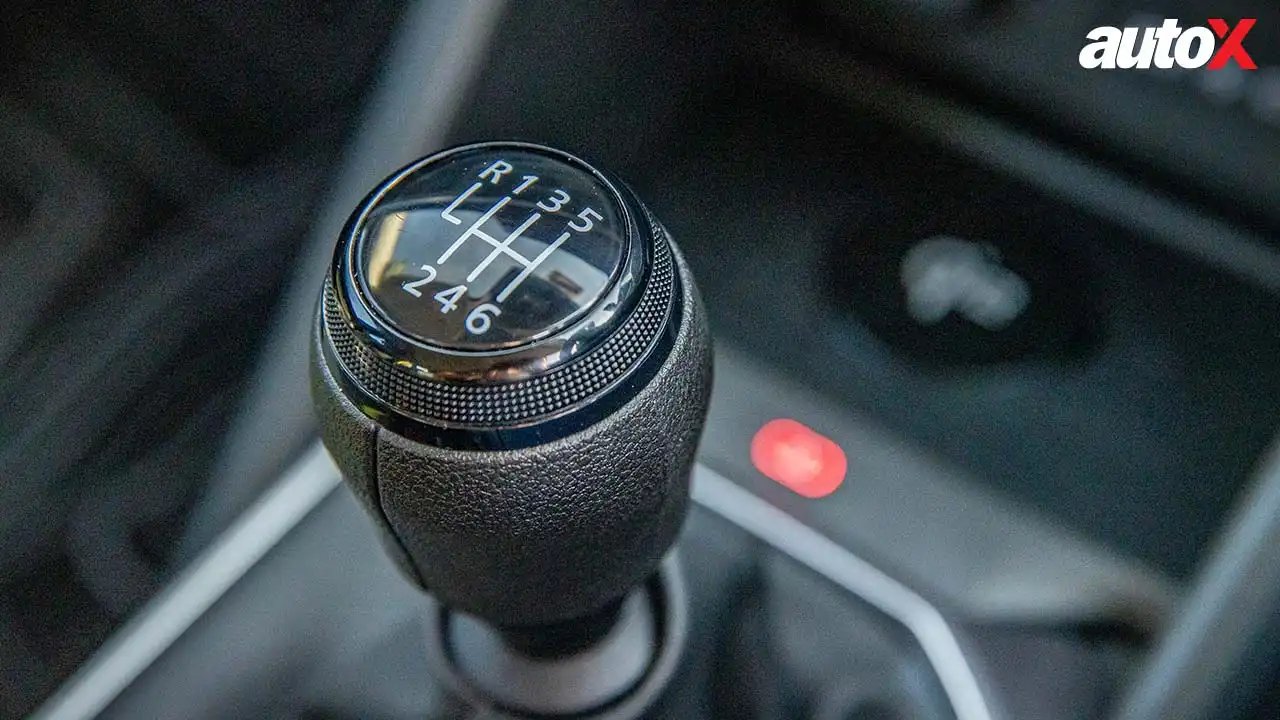
The 6-speeder offers short, precise shifts; the clutch is super light; and the overall feel is mechanical yet effortless. Simply put, this engine-gearbox combo is an absolute gem, and it’s plenty quick, too. It clocked 0–100km/h in around 10.5 seconds (GPS-verified) in less-than-ideal conditions.
So, in terms of outright performance, it’s right up there with the likes of the VW Taigun, Skoda Kushaq, Tata Sierra, and Hyundai Creta N Line.
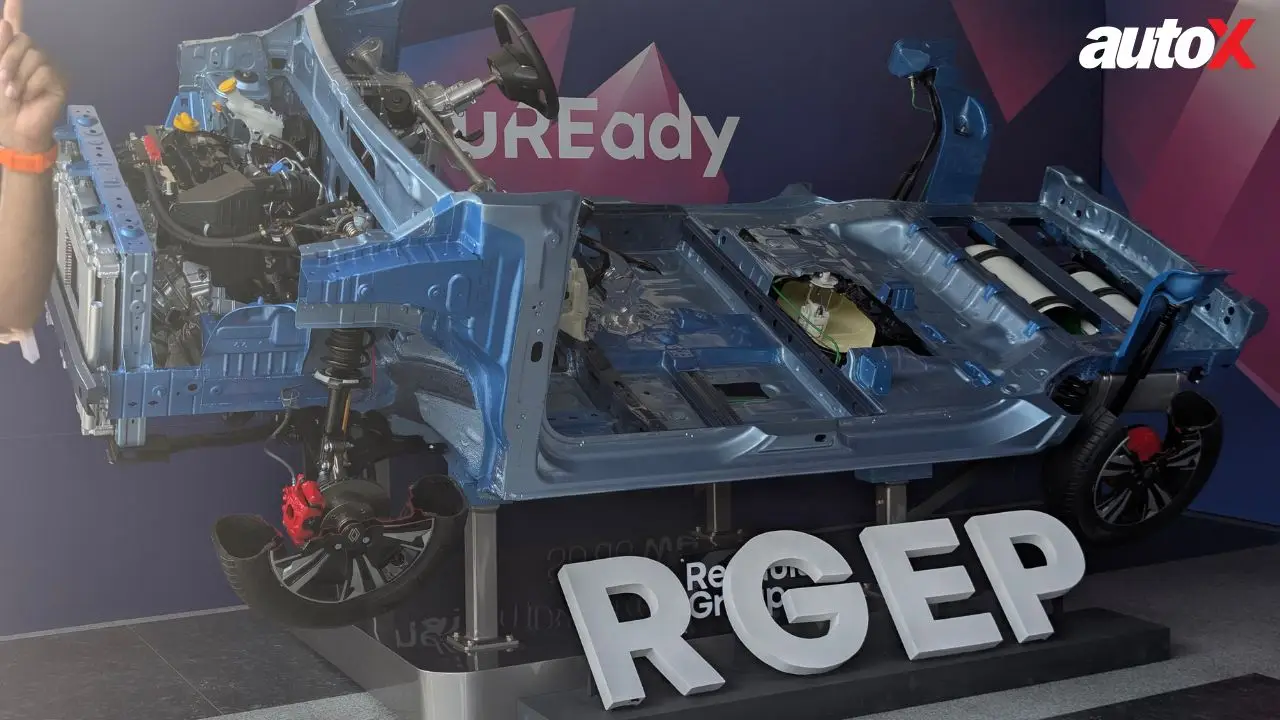
The icing on the cake is the ride-and-handling balance. Those who’ve experienced the old version will know that ride quality has always been the Duster’s calling card. Thankfully, that hasn’t changed. Built on Renault’s new RGMP platform, it feels incredibly tough and composed on all kinds of surfaces. It simply shrugs off bad roads, broken patches, and unexpected bumps with an ease that very few rivals can match.
What’s new, however, is the improvement in handling. The new Duster feels more planted, more agile, and far more capable when the road starts to twist. Whether you’re tackling corners in the hills or pushing harder on a flowing highway, there’s a reassuring sense of control.
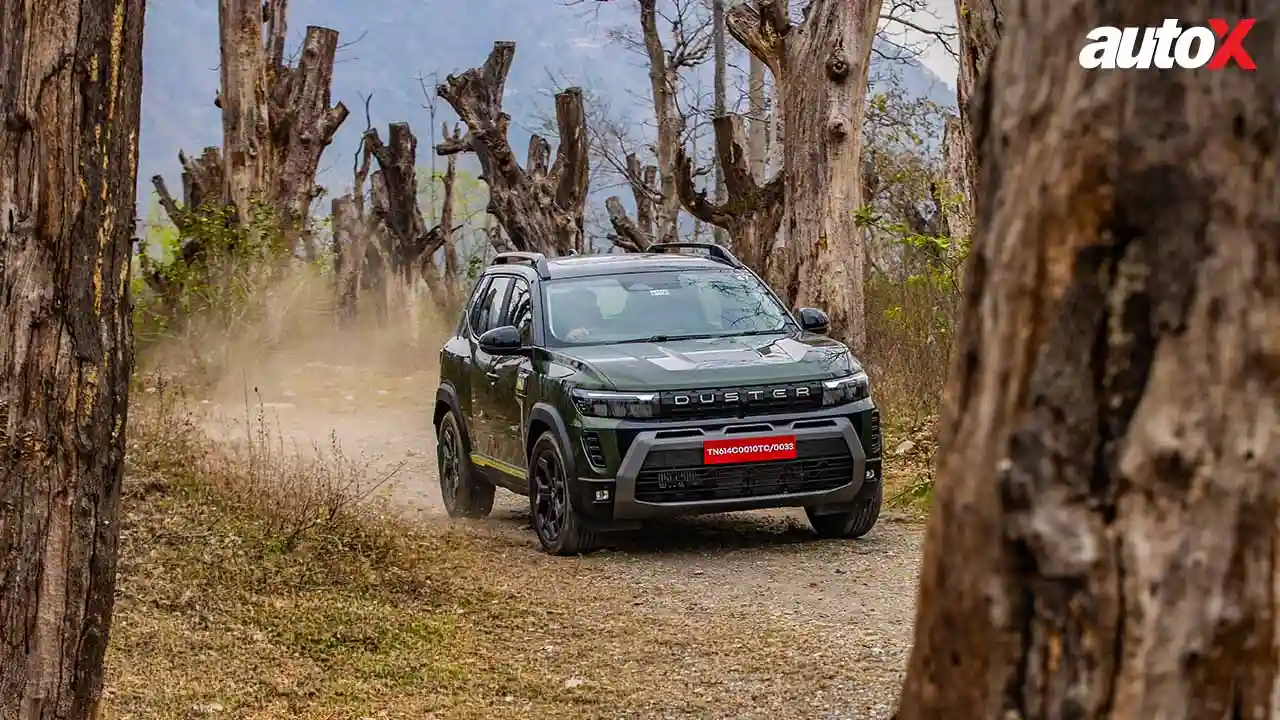
The steering deserves a special mention – it’s direct, nicely weighted, and full of feedback, almost as if it were a hydraulic setup.
There’s a level of communication here that’s increasingly rare in modern SUVs. All of these attributes combined make the Duster one of the most engaging driver’s SUVs in its class – in fact, calling it the most involving SUV to drive in the segment wouldn’t be an overstatement.
Upping the Ante
If there was one area where the old Duster fell short, it was features and perceived quality. That’s been addressed now. Step inside, and the difference is immediately apparent.
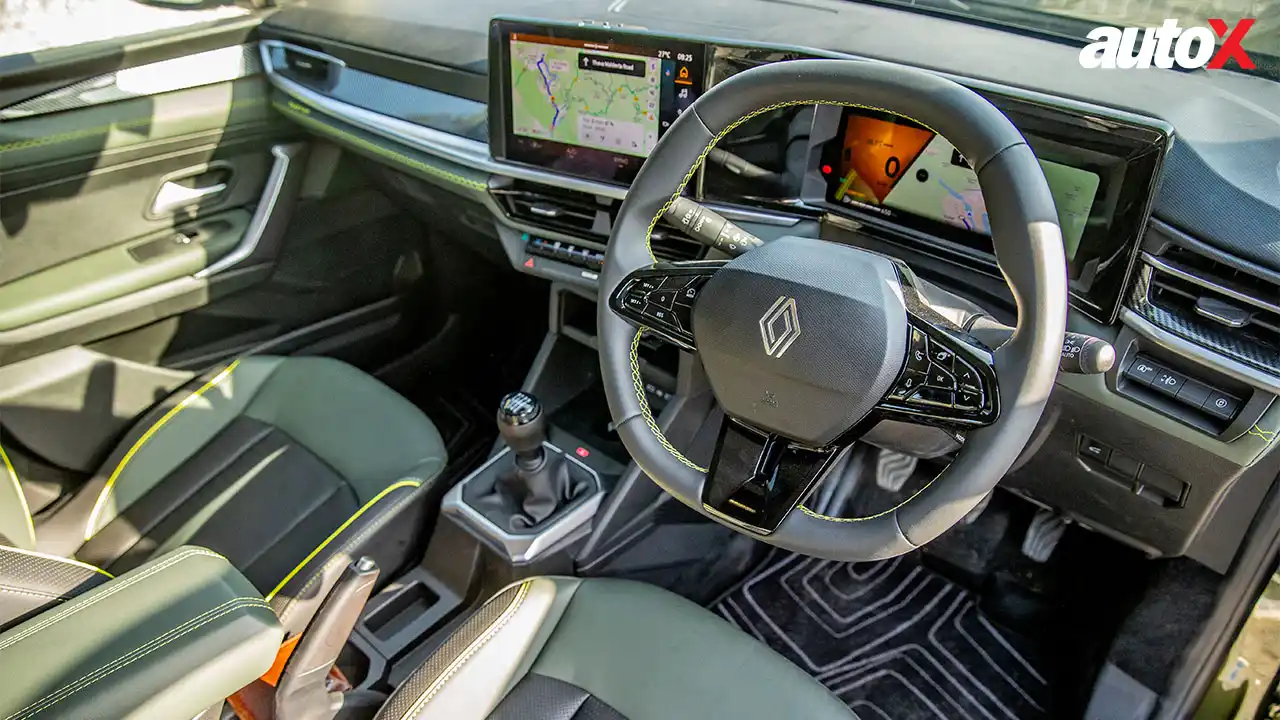
The cabin feels more modern, more premium, and far better put together. You get large infotainment screens, ventilated seats, electric seat adjustment, and even a panoramic sunroof – bringing it right in line with what buyers expect today. There are chunky buttons that make life easier, and just about every component feels solid and well put together. More importantly, the improvement in fit and finish is significant. Soft-touch materials, better plastics, and a more refined layout elevate the cabin experience. It no longer feels utilitarian – it finally feels contemporary and competitive.
What’s Not So Great?
While it’s still early days, there are two aspects that could limit the Duster’s appeal. First and foremost, there’s no diesel. While a hybrid is expected, it’s still some time away.
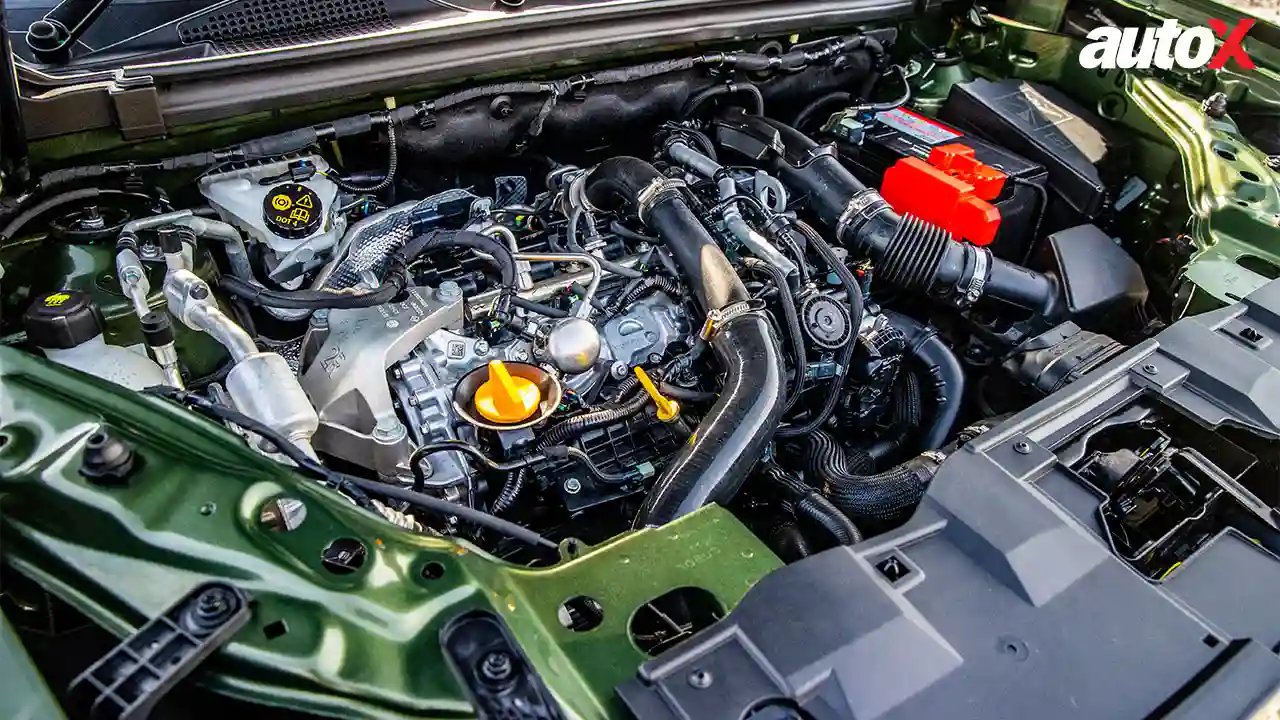
For now, there are only two turbo-petrol engine options – the 1.3-litre four-cylinder unit I drove and the smaller 1.0-litre three-cylinder from the Kiger. Both are likely to be thirstier than the naturally aspirated options offered by many rivals.
The second area is space and practicality. This is no Creta or Seltos when it comes to rear-seat comfort. Knee room is tight, and overall, it’s a smaller vehicle than its rivals.
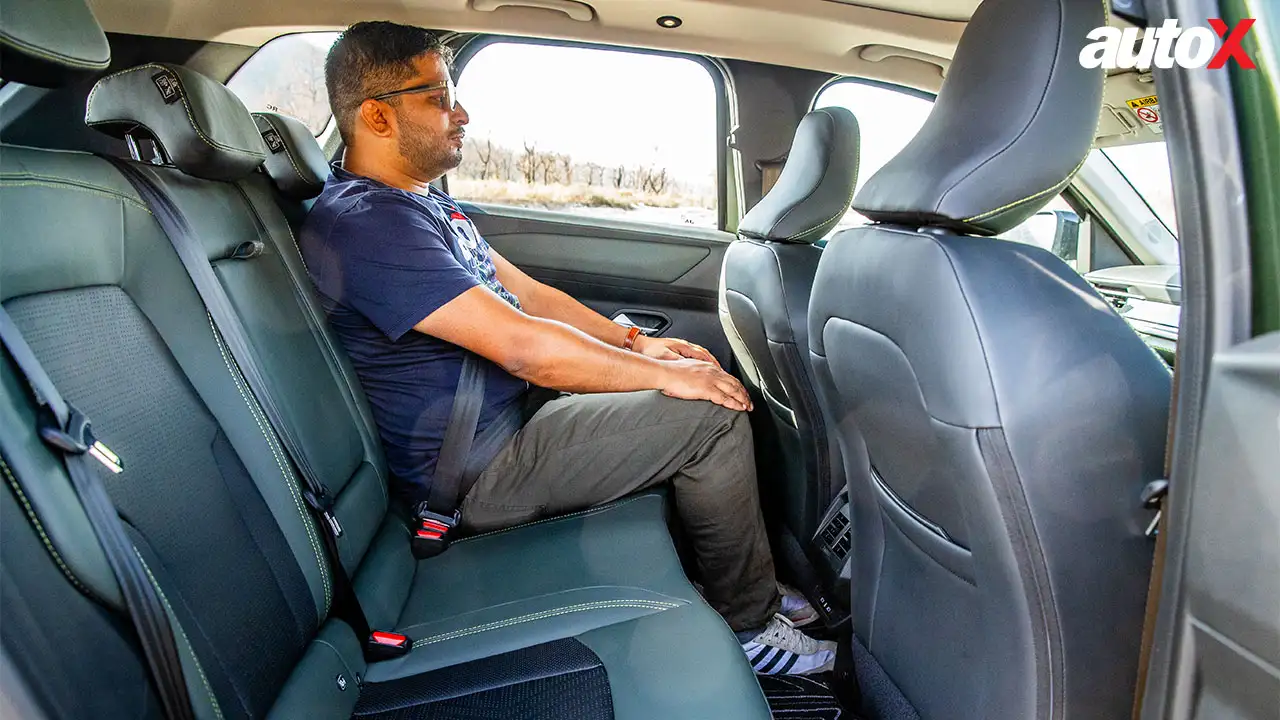
So, if space and comfort are top priorities, the Duster doesn’t quite fit the bill. Not to mention, there’s no spare wheel on offer either.
Verdict
Let’s get one thing clear – the new-gen Duster isn’t trying to be a Creta or Seltos killer. Instead, it positions itself closer to the Taigun and Kushaq, which is to say it’s one of the most engaging SUVs to drive in its class. At the same time, it retains everything that made the original Duster great – ruggedness, ride quality, and driver appeal – while finally catching up in areas like quality and overall sophistication.
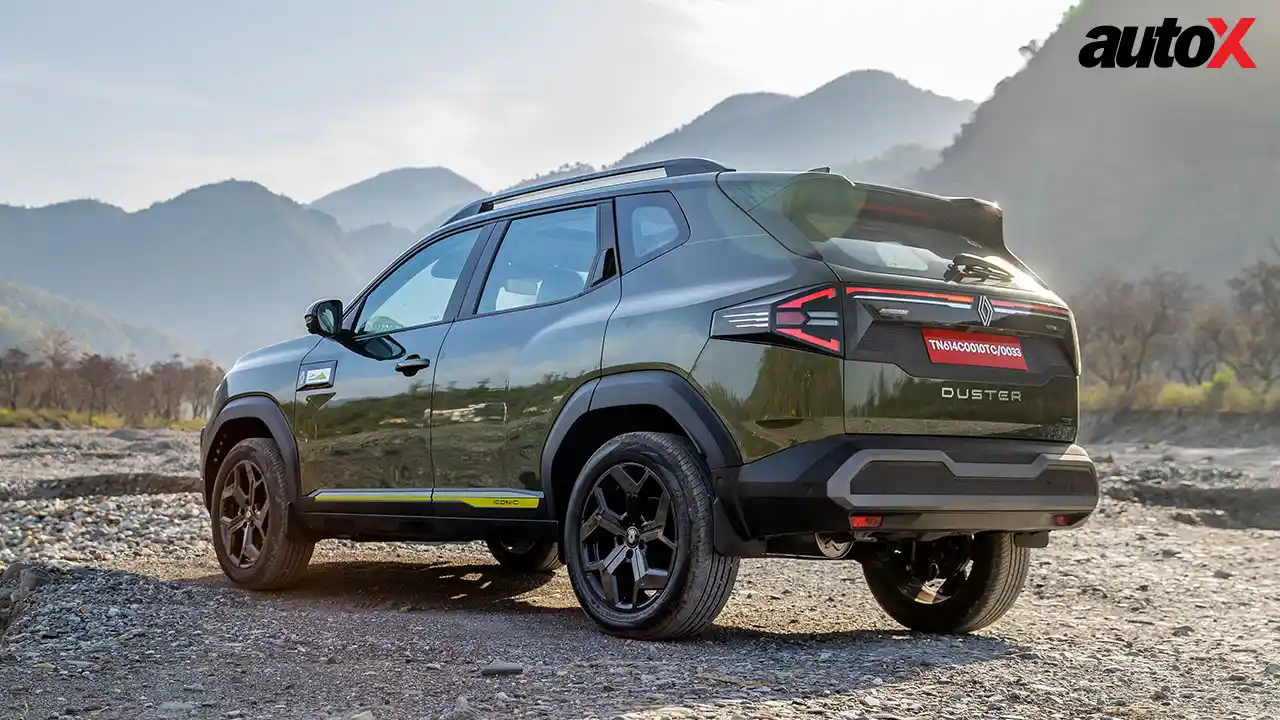
All told, the new Duster is going to have the cash registers ringing at Renault, just like the good old days...
Engine: 1,333cc, 4-Cylinder
Transmission: 6-Speed MT, FWD
Power: 161bhp
Torque: 280Nm
Fuel: Petrol
Price: Rs 17.19 Lakh (ex-showroom)
X-Factor: Stellar performance, excellent driving dynamics, & a feature-loaded cabin make the Duster a winner.
|
Pros |
Cons |
-1773142094141.webp "Production-spec Renault Bridger to Get New 1.2-litre Turbo; Debut Likely at Bharat Mobility Expo 2027")