Renault Duster India Comeback Confirmed – Debut on Republic Day 2026
Renault India will reintroduce the Duster as a mid-size SUV built on the CMF-B platform, set to compete with the Creta, Seltos, Grand Vitara, and Hyryder.
By Divyam Dubey


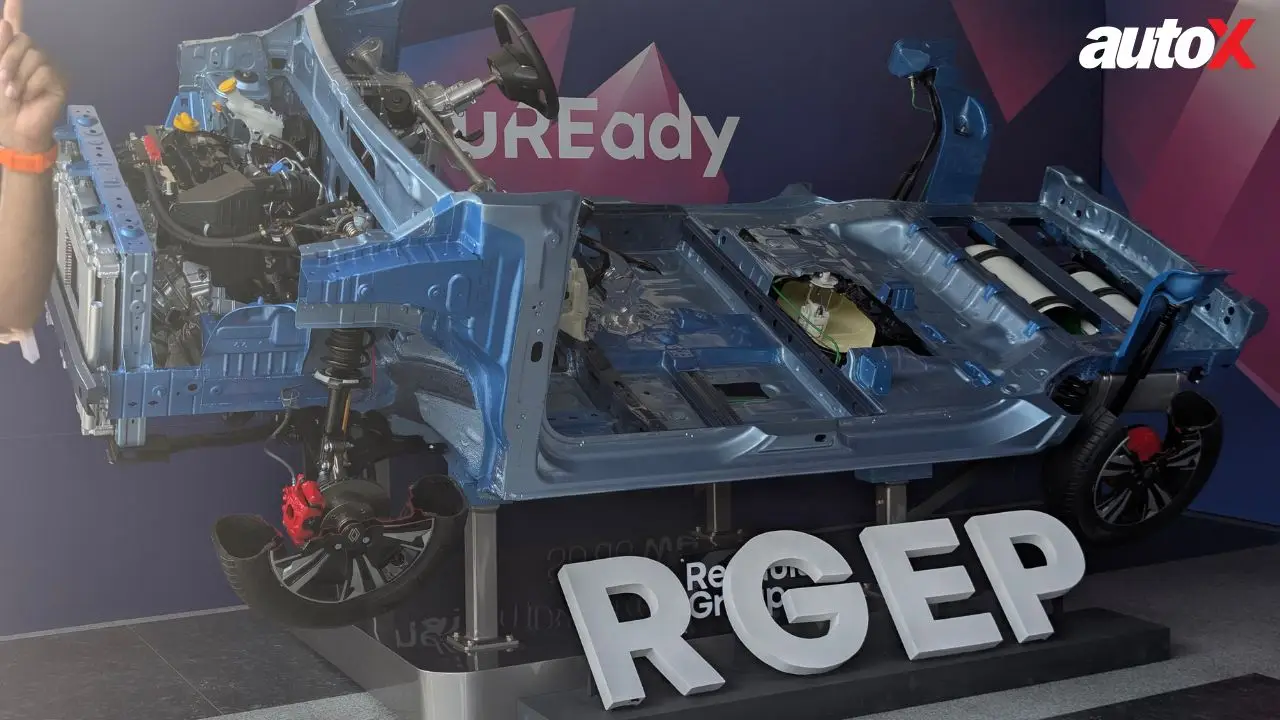
Renault has confirmed the return of the Duster SUV to the Indian market, with the third-generation model scheduled to debut on January 26, 2026. The launch will coincide with Republic Day, signalling a key phase in Renault’s India operations. The company has chosen to skip the second-generation version and will reintroduce the Duster as a mid-size SUV built to challenge existing models such as the Hyundai Creta, Kia Seltos, Maruti Suzuki Grand Vitara, and Toyota Urban Cruiser Hyryder. The new Renault Duster is based on the CMF-B modular platform, adapted for Indian production and pricing requirements. This platform has been localised to optimise manufacturing efficiency and cost targets.
Also Read: Renault 5 Turbo 3E Stuns with 547bhp, In-Wheel Electric Motors & Supercar-Level Acceleration
Positioned above the Kiger in the brand’s portfolio, the new Duster will be produced at Renault’s manufacturing plant in Oragadam, Chennai.
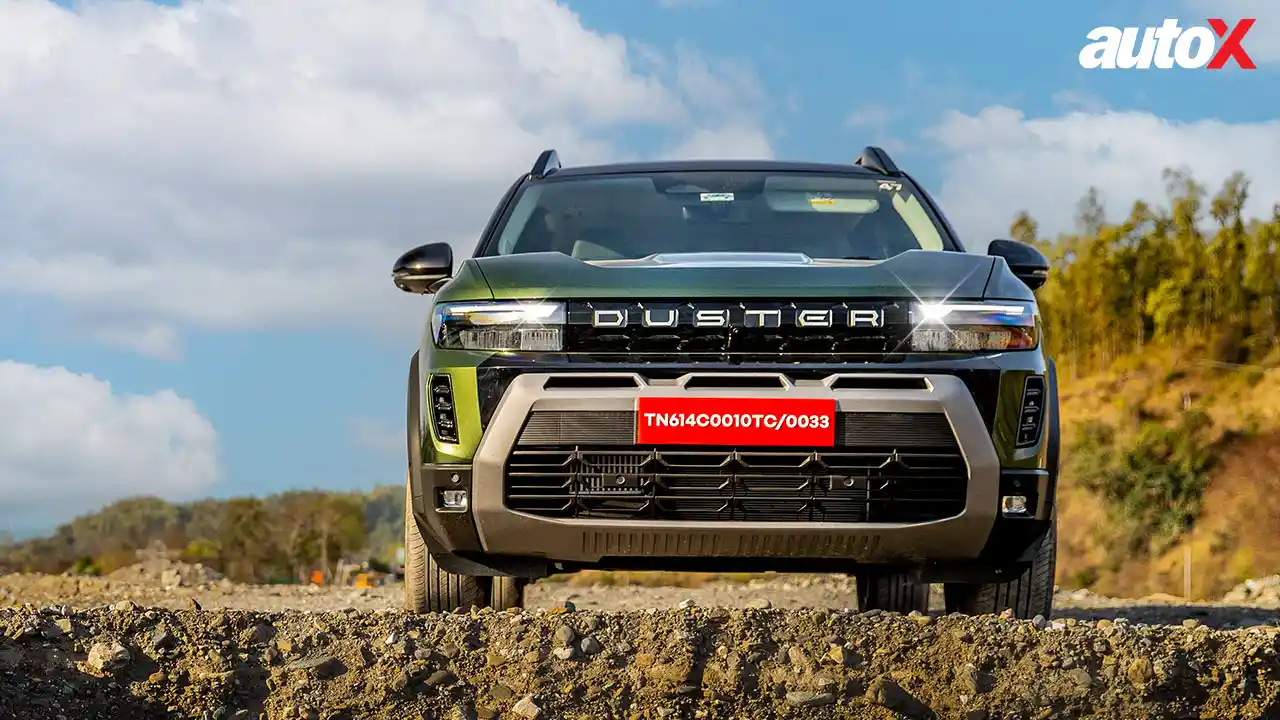
New-Gen Renault Duster SUV: Design
The India-spec Duster could feature design revisions suited for the market. The SUV will have new front and rear bumpers, a grille with Renault’s latest logo, and Y-shaped LED lighting units on both ends. The body profile will retain the Duster’s standard proportions with squared wheel arches and wide cladding.

Updated alloy wheels and minor exterior changes will mark the SUV’s evolution while keeping its original outline intact.
New-Gen Renault Duster SUV: Interior
The interior will include a touchscreen infotainment system supporting wireless Apple CarPlay and Android Auto, a digital instrument cluster, electronic parking brake, and wireless charging. The SUV will also include a set of ADAS functions aimed at improving driving convenience and safety performance.
New-Gen Renault Duster SUV: Engine
The Duster will launch with a petrol-only range. The main engine will be a 1.3-litre turbo-petrol unit generating 151bhp and 250Nm of torque, available with either a 6-speed manual or a 6-speed dual-clutch automatic transmission. Lower variants may be powered by a 1.5-litre naturally aspirated petrol engine or a 1.0-litre turbocharged petrol unit. Renault is studying the feasibility of a hybrid version for a later timeline as part of its broader focus on powertrain diversification.
Also Read: Renault Kwid EV Unveiled in Brazil with 11 ADAS Features and 180km Claimed Range
Duster’s return in India will be a critical part in Renault's plan to expand its market share in India. The company is focusing on local sourcing, cost control, and production efficiency to maintain competitive positioning. The updated Duster will play a central role in Renault’s plan to expand its SUV lineup and stabilise its operations in the Indian automotive sector.

-1773142094141.webp "Production-spec Renault Bridger to Get New 1.2-litre Turbo; Debut Likely at Bharat Mobility Expo 2027")


