2026 Volkswagen Taigun Review: Why Fix It If It Ain’t Broke?
The updated Taigun adds more comfort and features while staying true to the core DNA that made Volkswagen’s SUV stand out.
By Shivank Bhatt

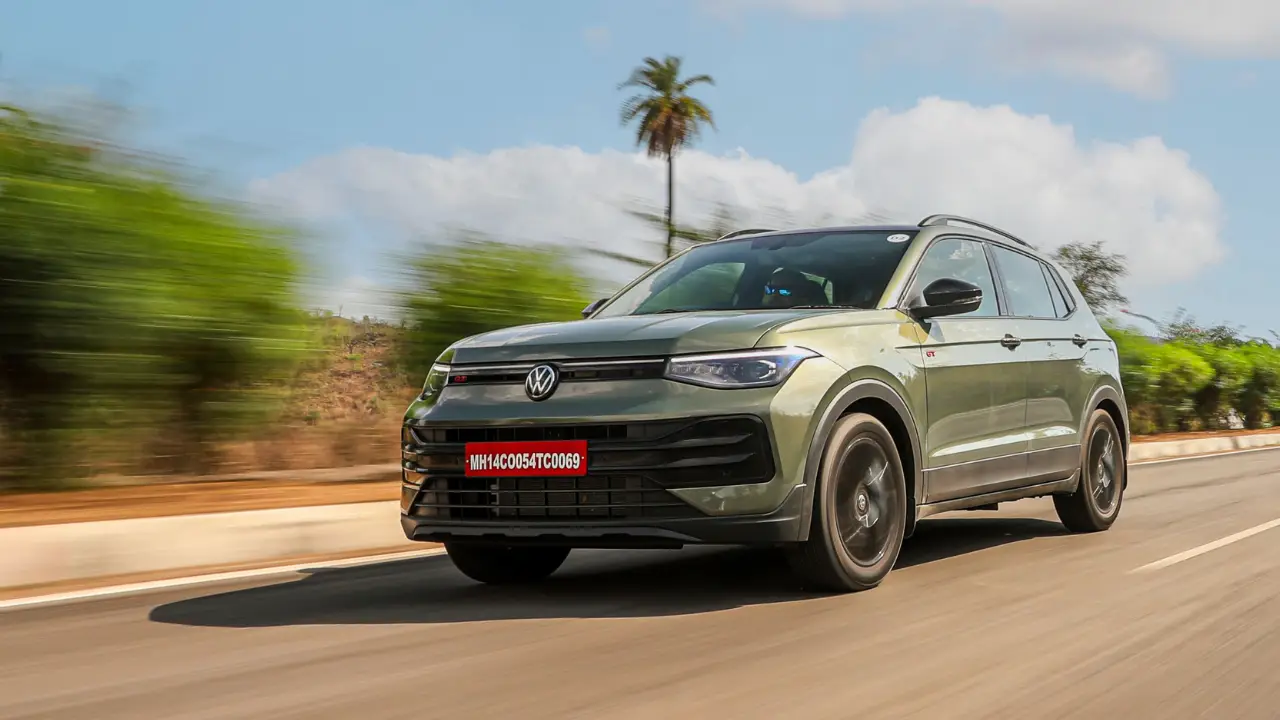
“Don’t fix it if it ain’t broke” – that seems to be the philosophy behind the new Volkswagen Taigun. Which is why the new version is more of a minor facelift than a full overhaul. That said, while the mechanicals and overall design largely remain the same, Volkswagen has addressed several issues that existed in the previous version. The core package is familiar, but VW now claims it’s a more complete product in all aspects.
So, is it true? Have these updates made a real difference? To find out, we were invited for a Volkswagen relay drive from Dholavira all the way to Srinagar. We were part of the first leg from Dholavira to Udaipur and spent a full day behind the wheel of both the 1.0-litre and 1.5-litre versions, putting them through their paces.
2026 Volkswagen Taigun Review: Evolutionary Approach
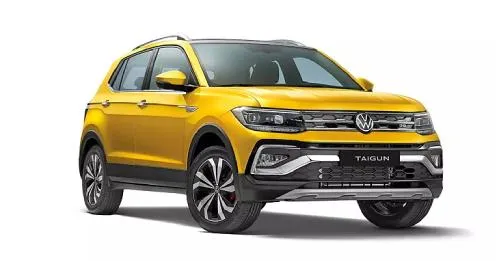
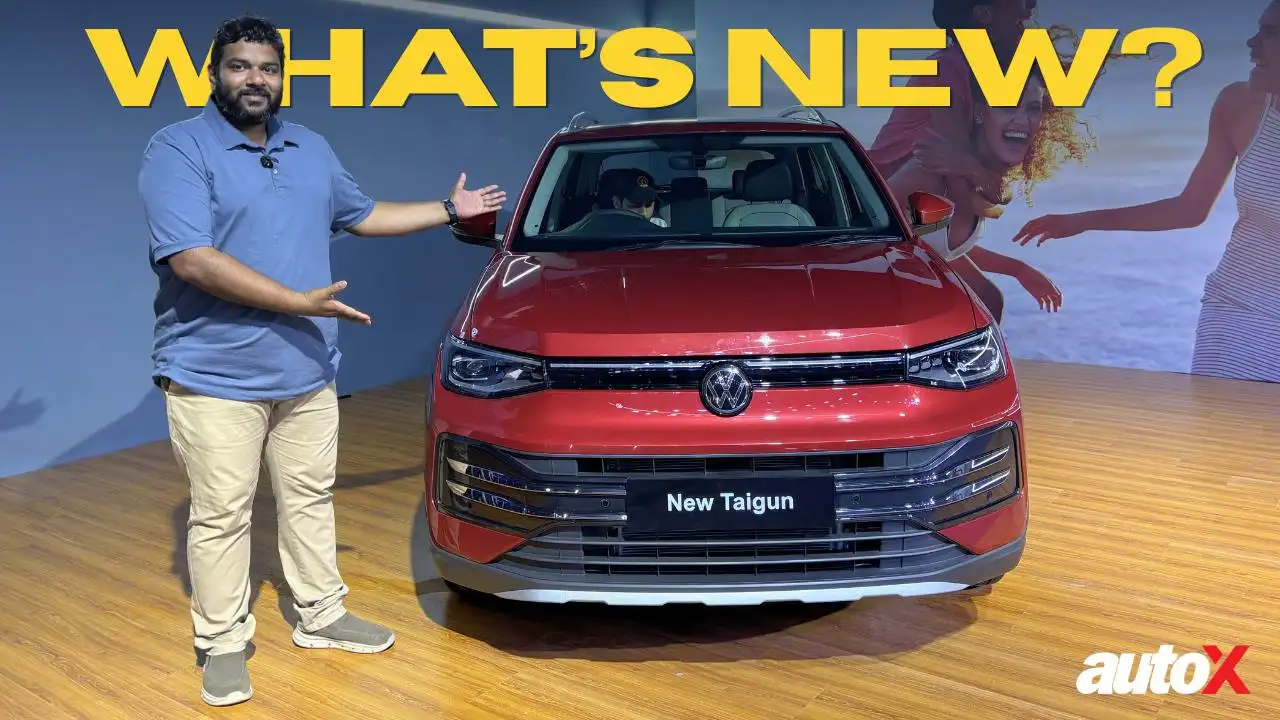
On the outside, this is very much an evolutionary design update. Compared to the older version, the design has definitely gone softer. Up front, you now get a new pair of sleeker all-weather headlamp setup, a connected LED DRL that runs across the grille, illuminated VW logo.
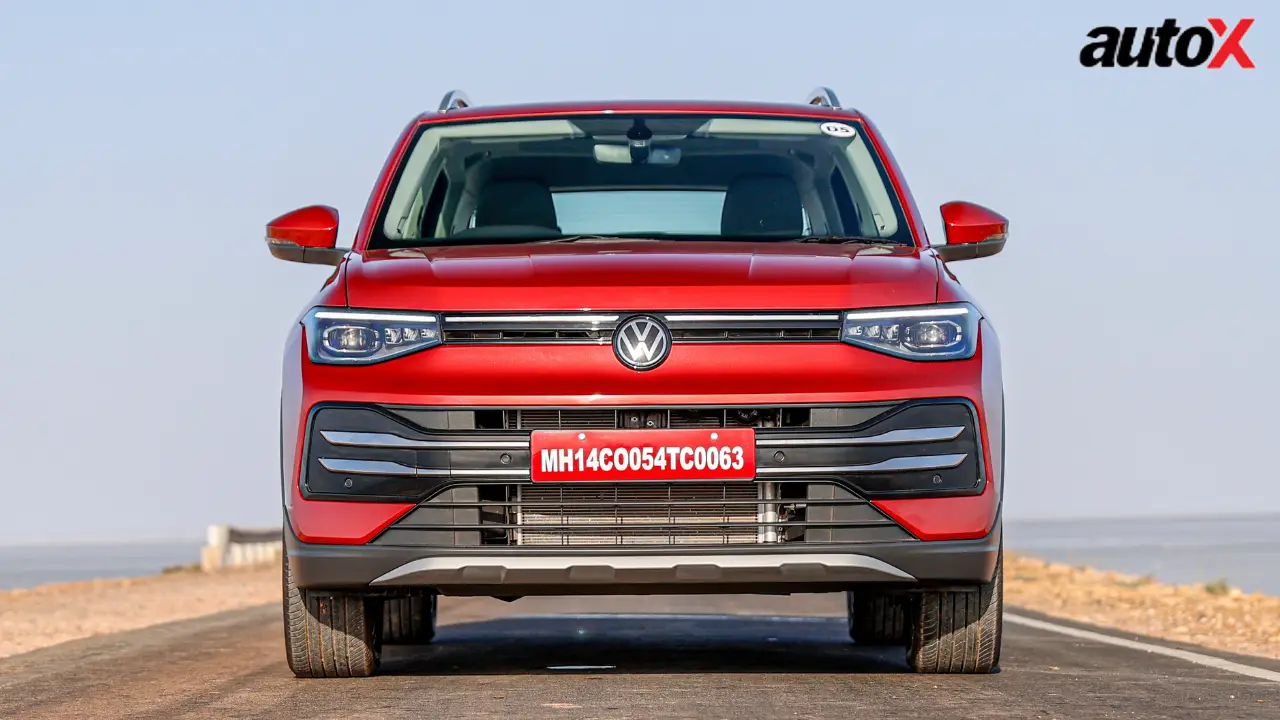
Overall, when you look at it, the side profile and dimensions are identical to the outgoing model, but the front is now more subtle and smoother. It also gets a proper family face, for it genuinely looks like a scaled-down Tayron. The new Taigun’s softer design isn’t to everyone’s liking – that’s what the internet and our social media suggest –but after spending two days with the car, I have to say that it does grow on you. And I think it will age gracefully, much like any other Volkswagen. I like the fact that they haven’t gone over the top with the design.
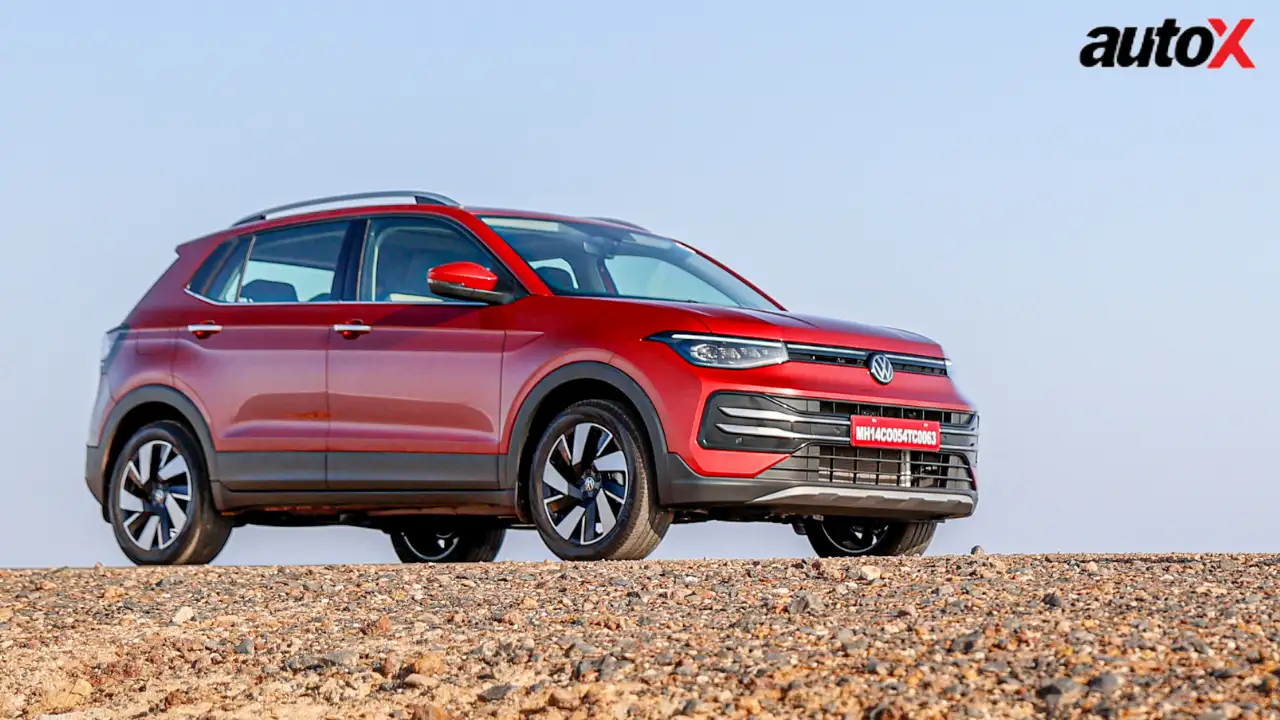
Plus, certain colours stand out, like the new olive green colour offered with the GT version, which genuinely elevates the premium feel from the outside.
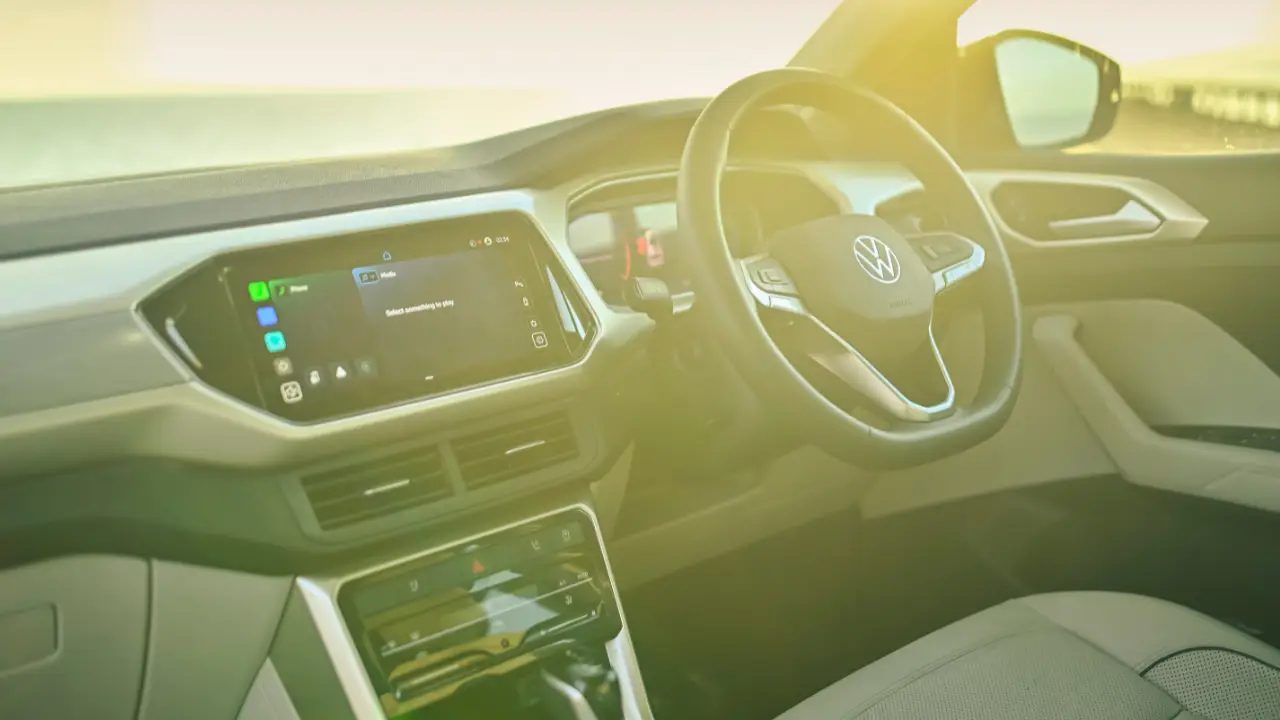
Step inside and you’ll notice it’s a familiar cabin. However, there are a lot of creature comforts, especially at the top end. There’s now a panoramic sunroof, and a new digital display that is more premium, and the 10.25-inch touchscreen is crisp, while the UI is intuitive and easy to comprehend. It also gets additional AI voice commands, and it’s not just for regular functions; you can even turn the ESP off using voice.
-1777706225585.webp)
The front seats are ventilated and electrically adjustable, and like the old version, they are superb in terms of support and comfort. Speaking of comfort, the air conditioning, which was an Achilles’ heel in the outgoing version, has been improved with a bigger compressor. You can feel how quickly and efficiently the cabin cools now, which is a big thumbs up.
-1777696886534.webp)
The overall cabin quality is acceptable, but there are areas where you can tell Volkswagen has cut corners, like the door inserts and parts of the dashboard that feel a bit scratchy. Compared to rivals like the Kia Seltos or Renault Duster, these bits feel slightly cheaper. What I also miss is the absence of ADAS, and there’s still no proper 360-degree camera. The parking camera quality also remains unchanged, which is to say that it’s still subpar and hazy.
2026 Volkswagen Taigun Review: Drives like a Charm
Coming to the driving experience, the engine options remain unchanged. You continue to get the 114bhp/178Nm rated 1.0-litre three-cylinder and the 148bhp/250Nm producing 1.5-litre four-cylinder turbo petrol engines. The former now gets an 8-speed AT transmission instead of the 6-speed AT in the old version, while a 6-speed MT continues to be on offer. The 1.5-litre version is exclusively offered with a 7-speed DSG automatic, meaning no more manual labour (or fun!).
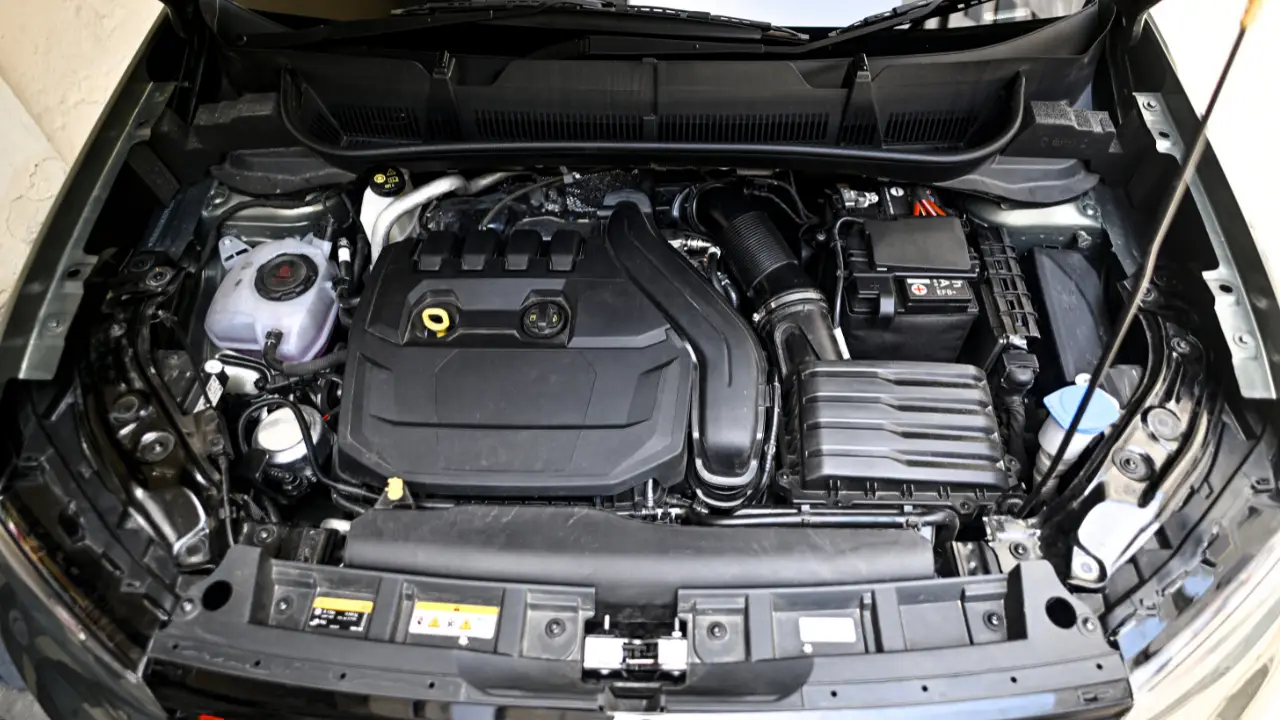
I first drove the 1.0 TSI with the new 8-speed transmission. Performance-wise, it feels very similar to before. The 1.0-litre three-cylinder engine is peppy, with minimal vibration. You do feel typical three-pot pulses from the gear lever and steering at idle, but once it warms up, you barely notice the typical three-cylinder thrum. Out on the road, it feels strong and responsive. It’s still one of the best turbo engines in its class as it’s refined, punchy, and enjoyable. The new 8-speed AT transmission is quick and responsive, especially when you push it, and downshifts are sharp too.
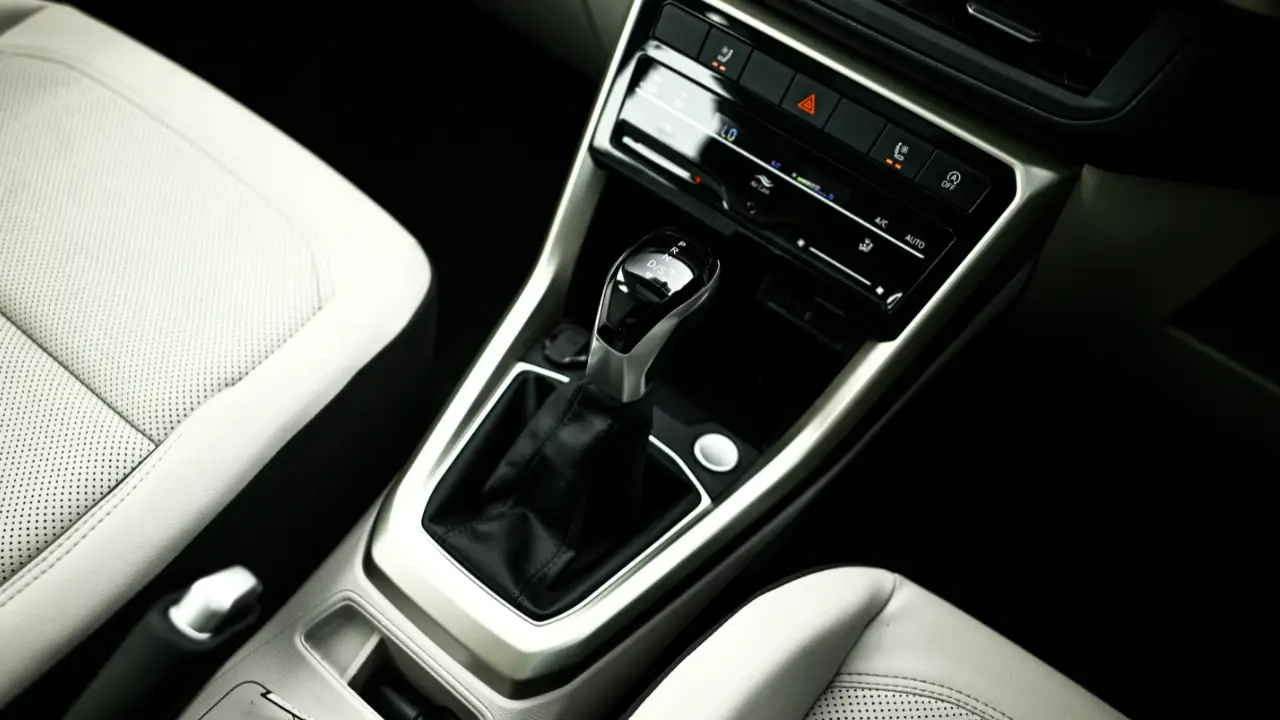
The big difference compared to the old 6-speeder is that this one feels smoother and more relaxed. At 100km/h, it sits at around 2000rpm, similar to before, but overall cruising feels more effortless. The wider gear ratios improve drivability and should also help with fuel efficiency. Importantly, the low-speed jerkiness from the older gearbox has been fixed. It feels much smoother in city conditions now.
Next up, I drove the 1.5 GT version. In terms of outright performance, there’s not much to report, apart from the fact that it still is plenty fast and more enjoyable powertrain of the two. It’s also more refined, more powerful, and overall delivers a more premium driving experience.
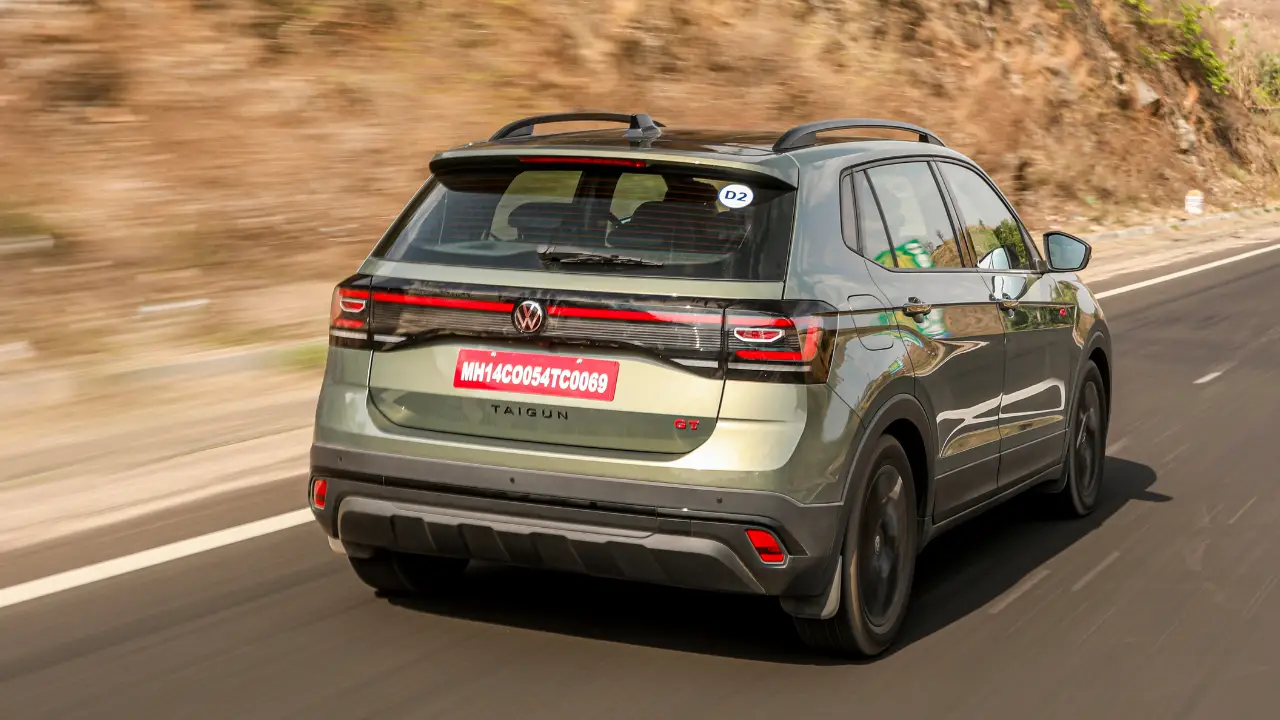
The DSG is quick, responsive, and perfectly suited to the engine. The steering and brakes also feel better in this application –there’s more heft and confidence compared to the 1.0 version. The suspension feels slightly stiffer, too, which adds to the overall driving dynamics.
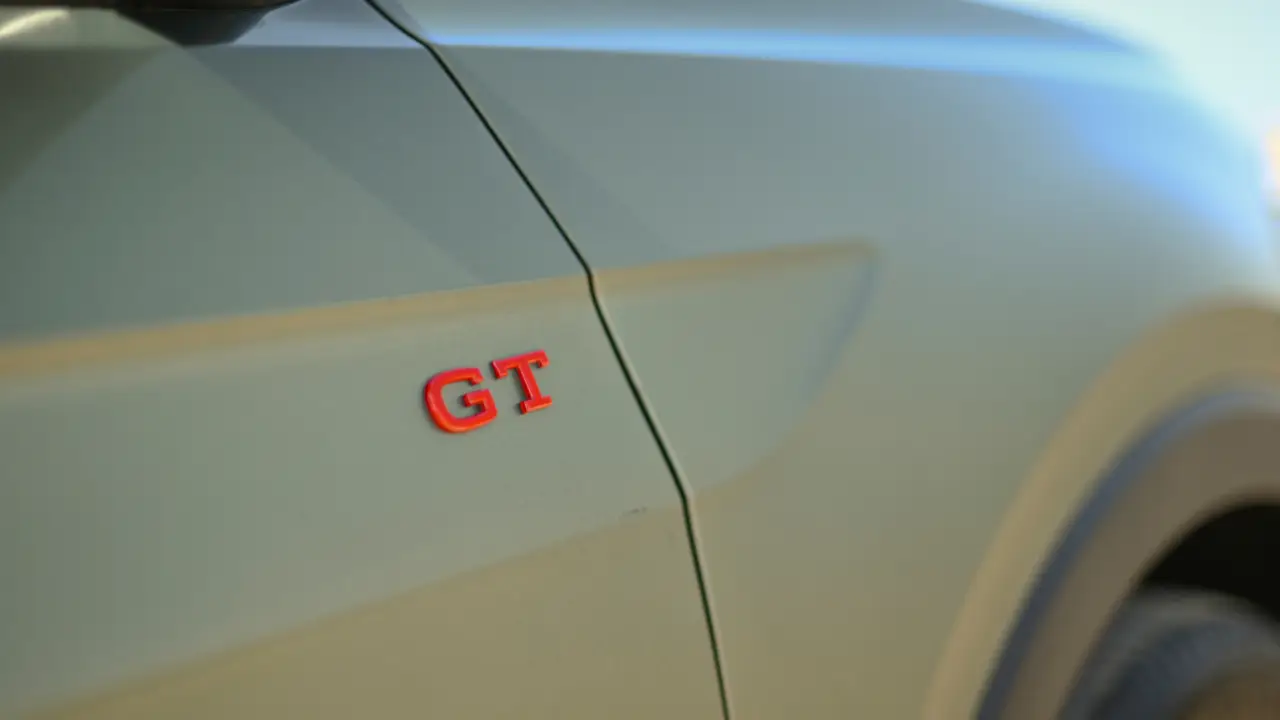
If you’re someone who prioritises driving experience, the 1.5 GT is the one to go for. It’s easily the enthusiast’s choice. While I do miss an MT, it’s worth mentioning that VW manuals haven’t always been the most engaging. They have always felt notchy, and the gearing was too tall, at least for my liking, so the DSG actually feels like the better fit here.
2026 Volkswagen Taigun Review: Verdict
Volkswagen has updated this car with a clear focus on refinement. The changes are incremental, not revolutionary, but they have addressed key shortcomings of the older version while adding more features.
-1777696879828.webp)
With newer competition like the Duster and Seltos, these updates were necessary to stay in the game. Overall, the Taigun is still for people who value driving above everything else. It remains engaging, fun to drive, and now offers better comfort and features as well.
Also Read: Volkswagen Taigun Facelift Launched in India at Rs 10.99 Lakh
However, the big question remains – does it still hold its crown as the best driver’s SUV in the segment? That’s something we’ll find out soon in a proper mega comparison.
-1777522921088.webp "Volkswagen ID.Polo Revealed; Claims 454km Range")
-1775548972962.webp "Volkswagen Taigun Facelift Variants Explained: Which One Should You Buy?")


