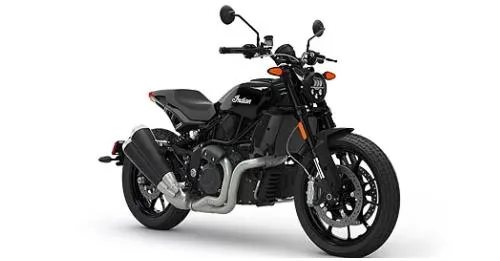
Kawasaki Bikes in India
Kawasaki is a highly regarded Bike manufacturer with prominent models like the KLX230, KLX110R L, and KX65. Currently, it has 25 bikes on sale in India.
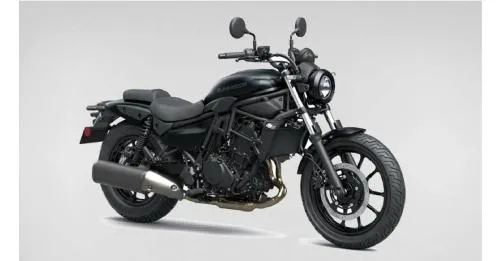
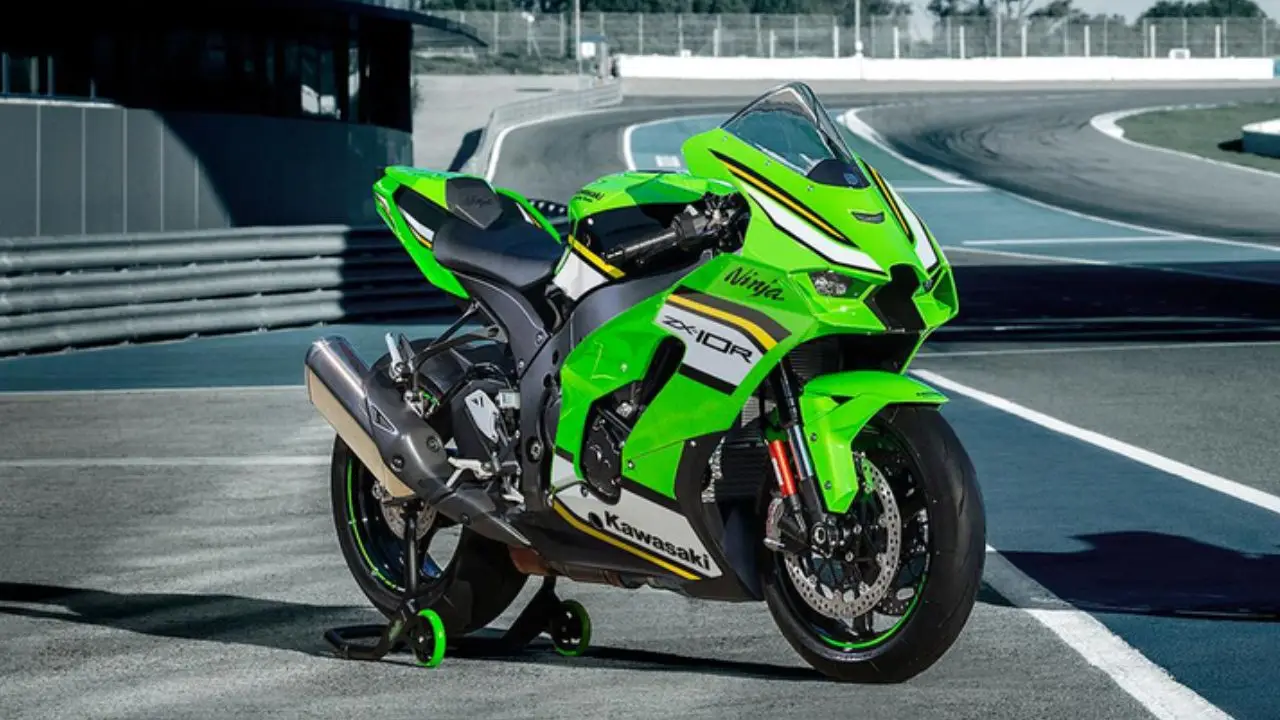
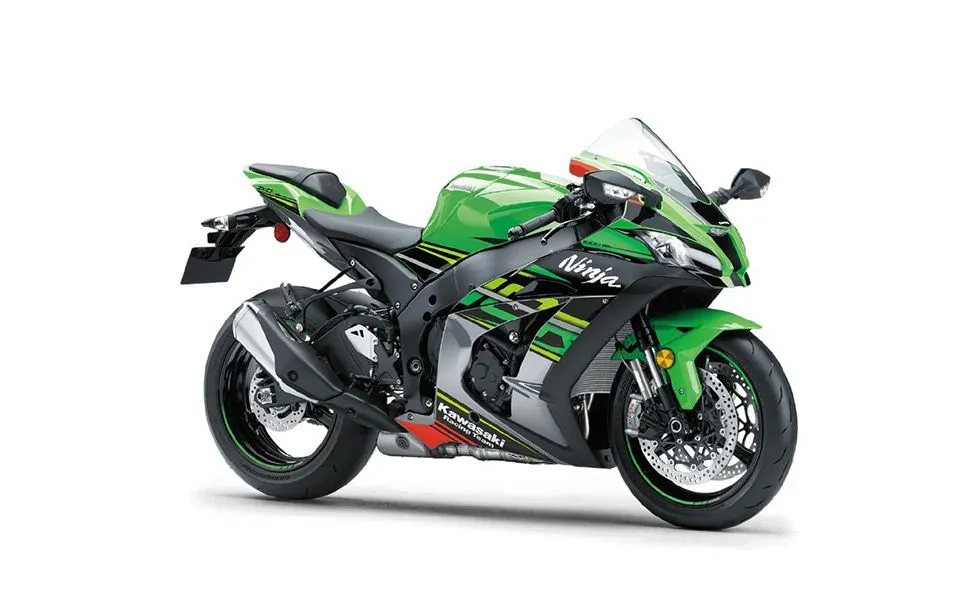
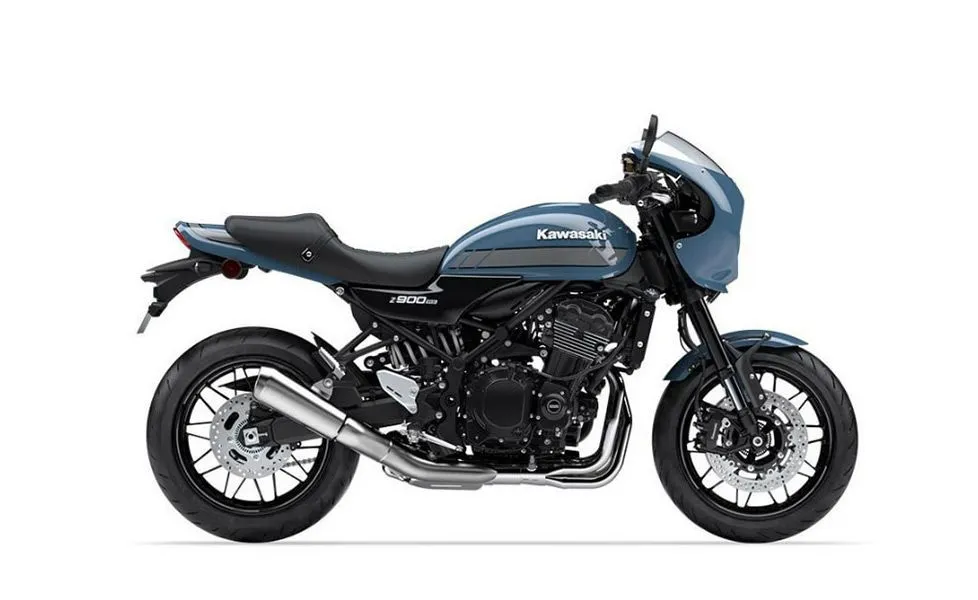
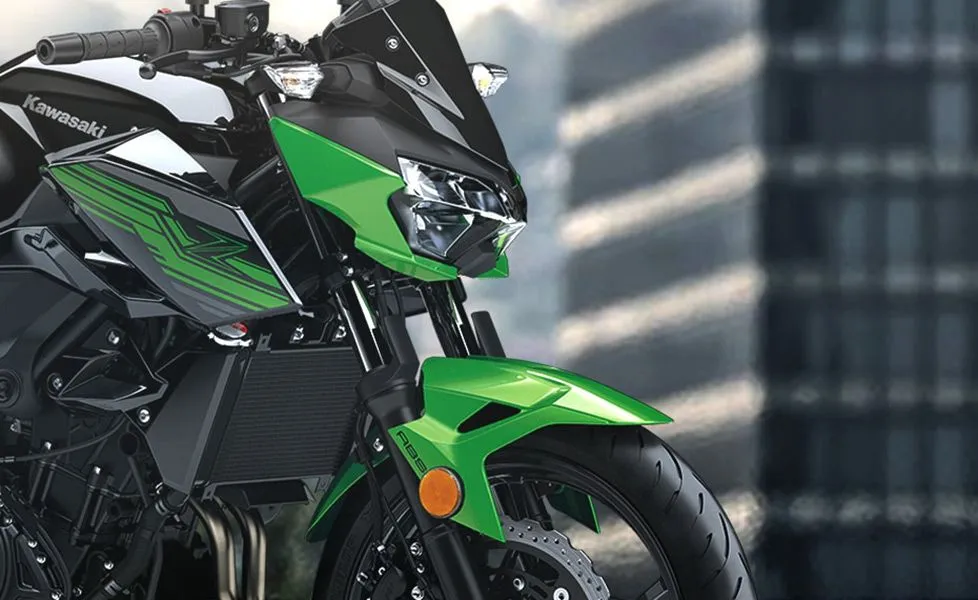
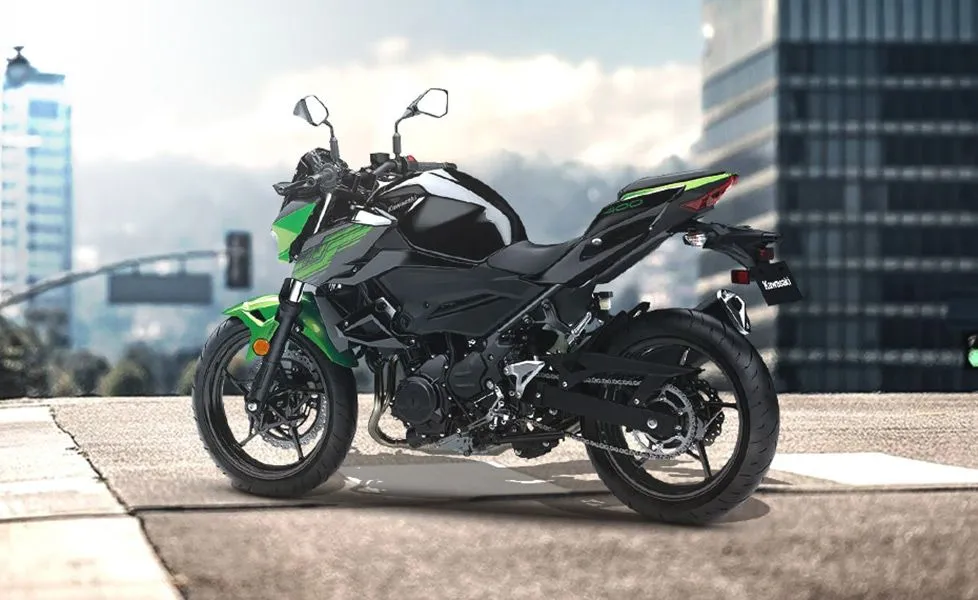
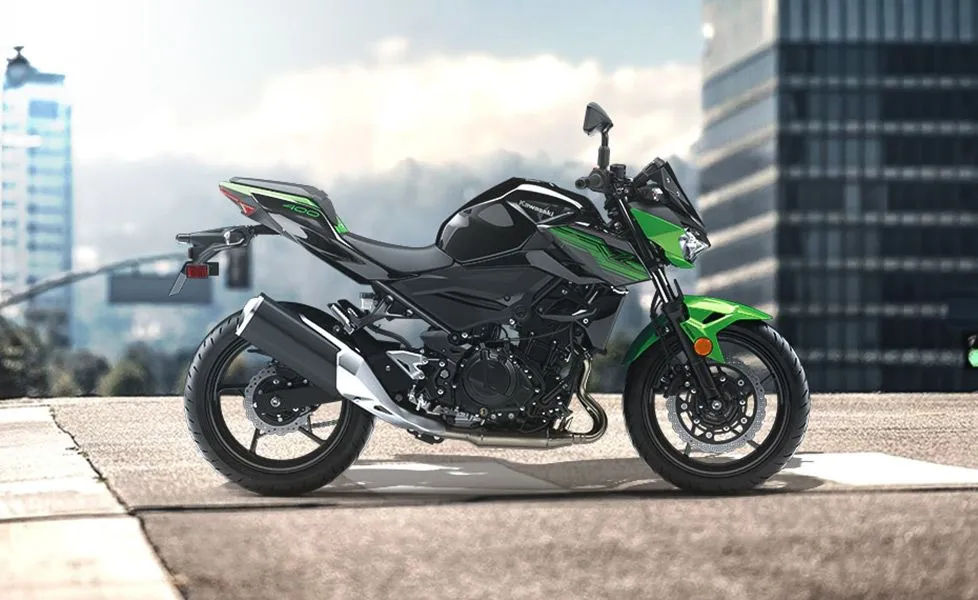
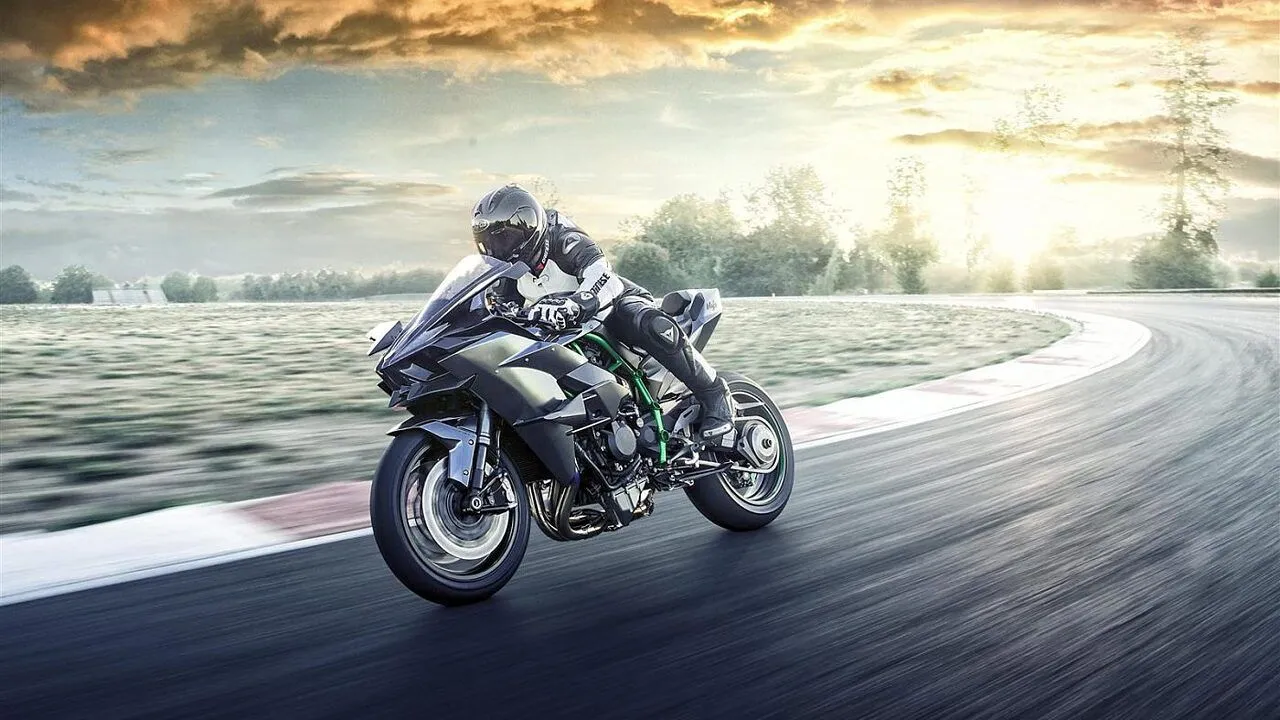
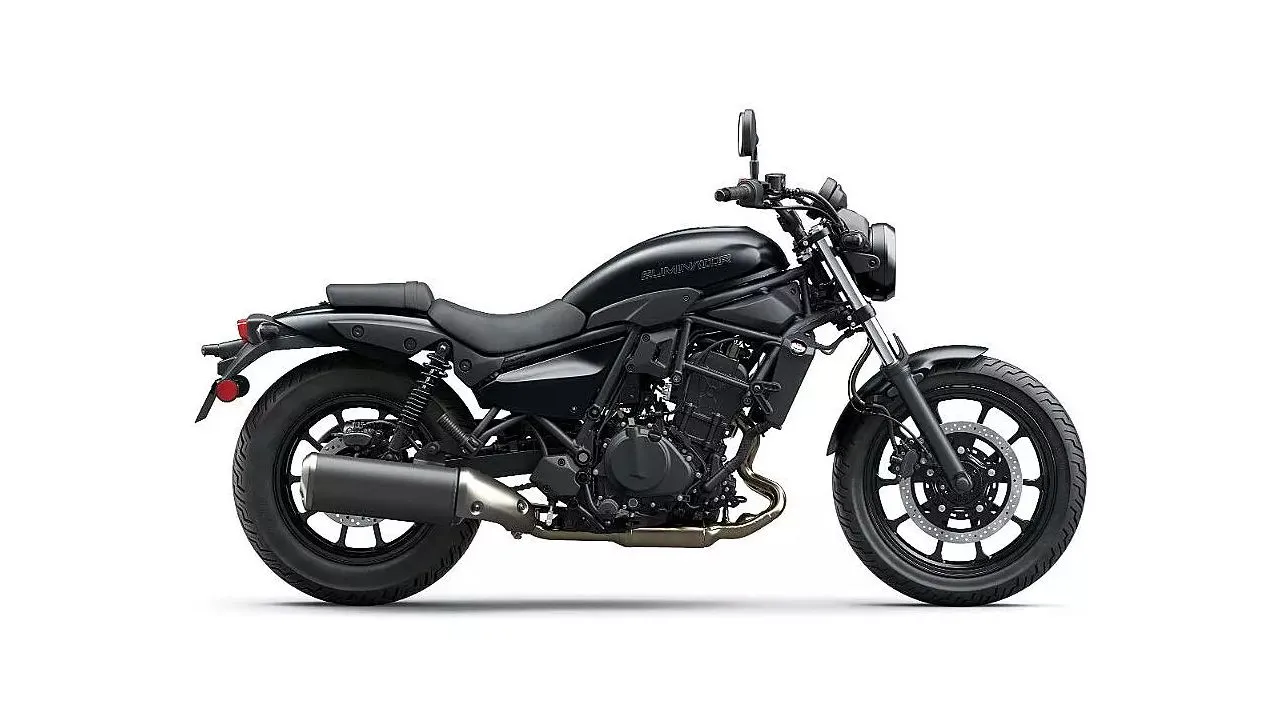
Upcoming bikes from Kawasaki include Ninja ZX-10R [2026], Eliminator 400, W230, Z900 RS Cafe Racer, Ninja ZX-10R SE, Ninja H2, and Z400, which are expected to add more excitement to its portfolio.
Kawasaki Bike Models
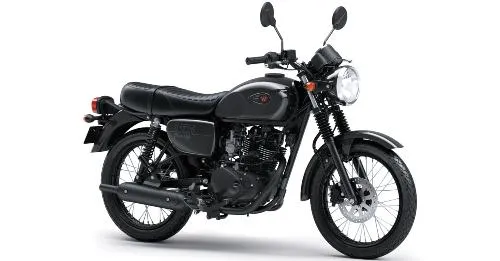
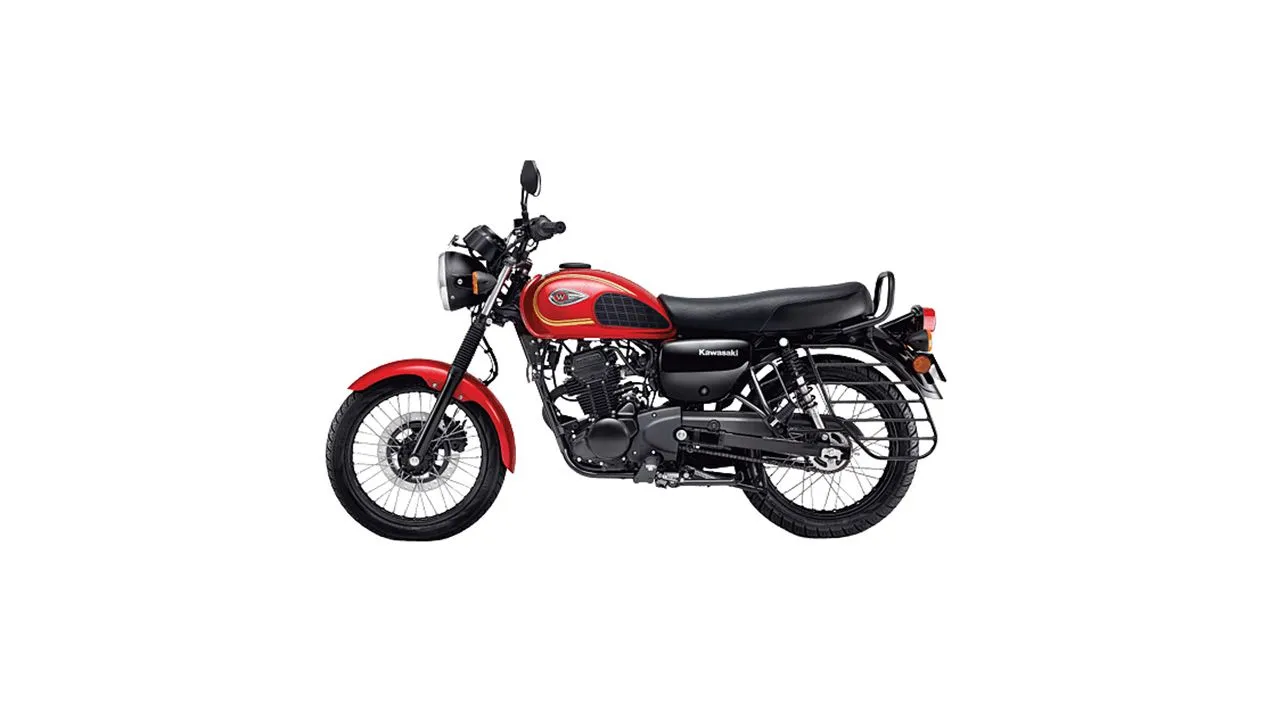
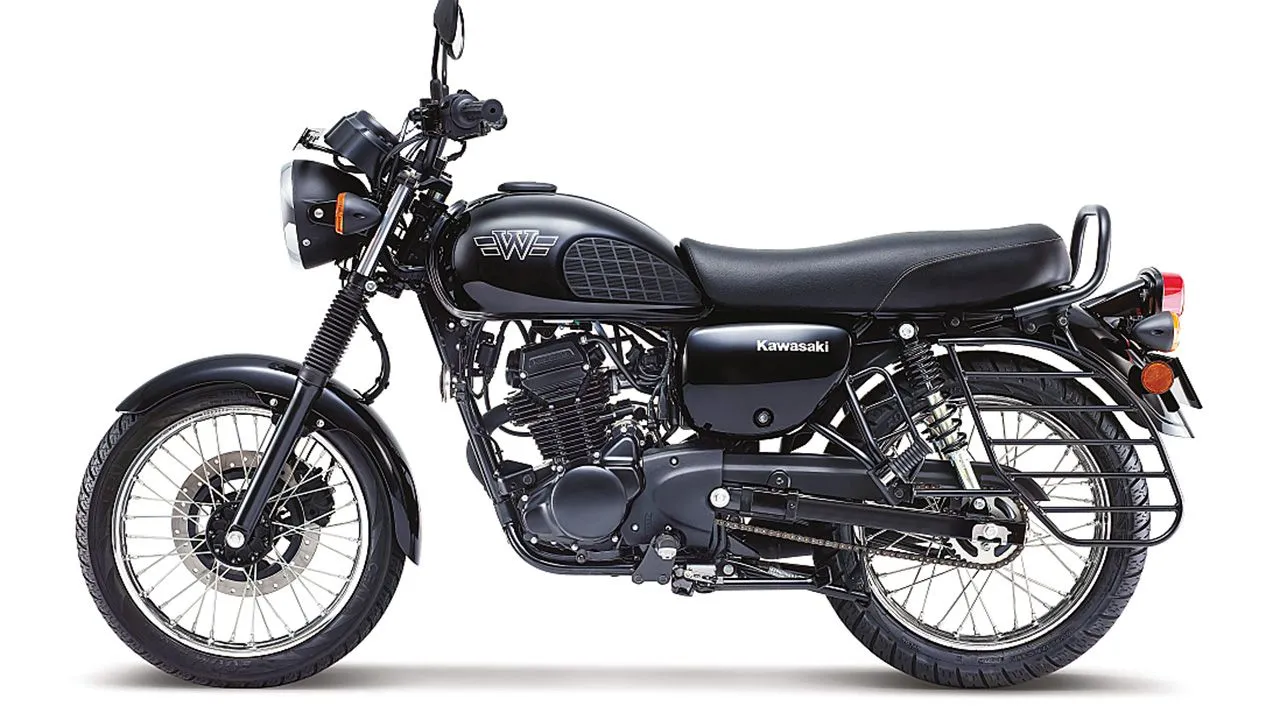
Kawasaki W175

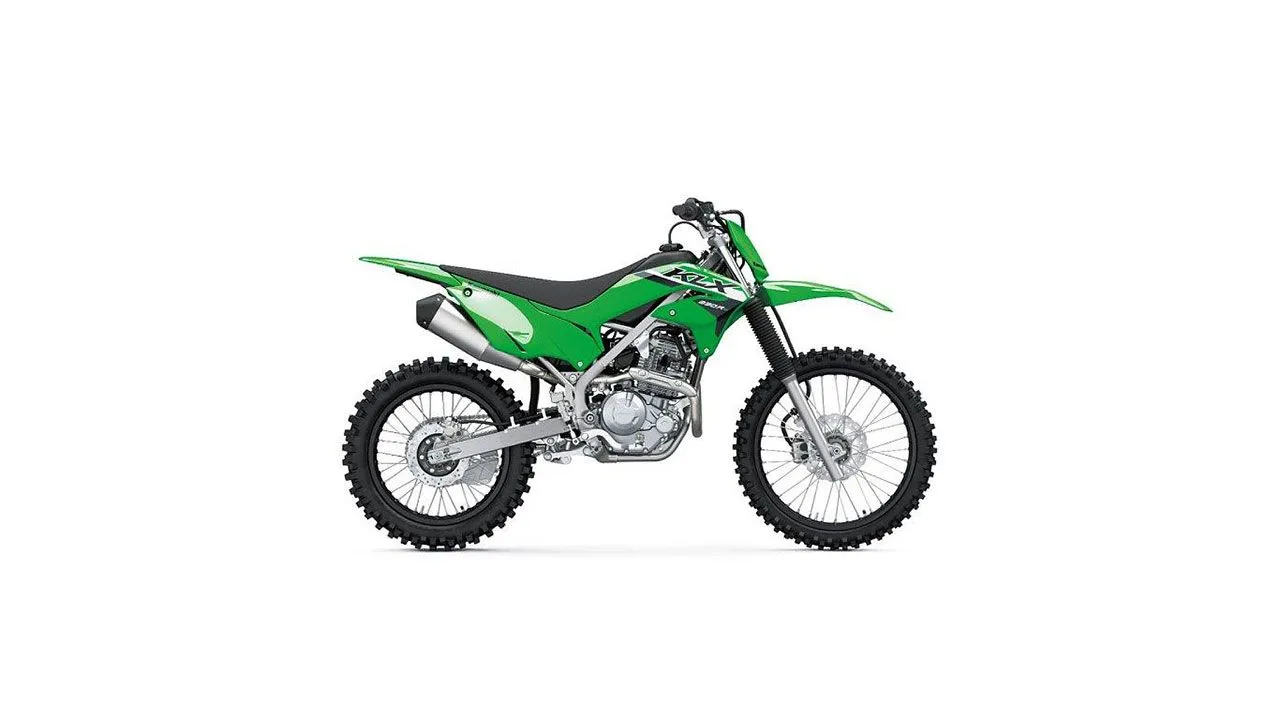
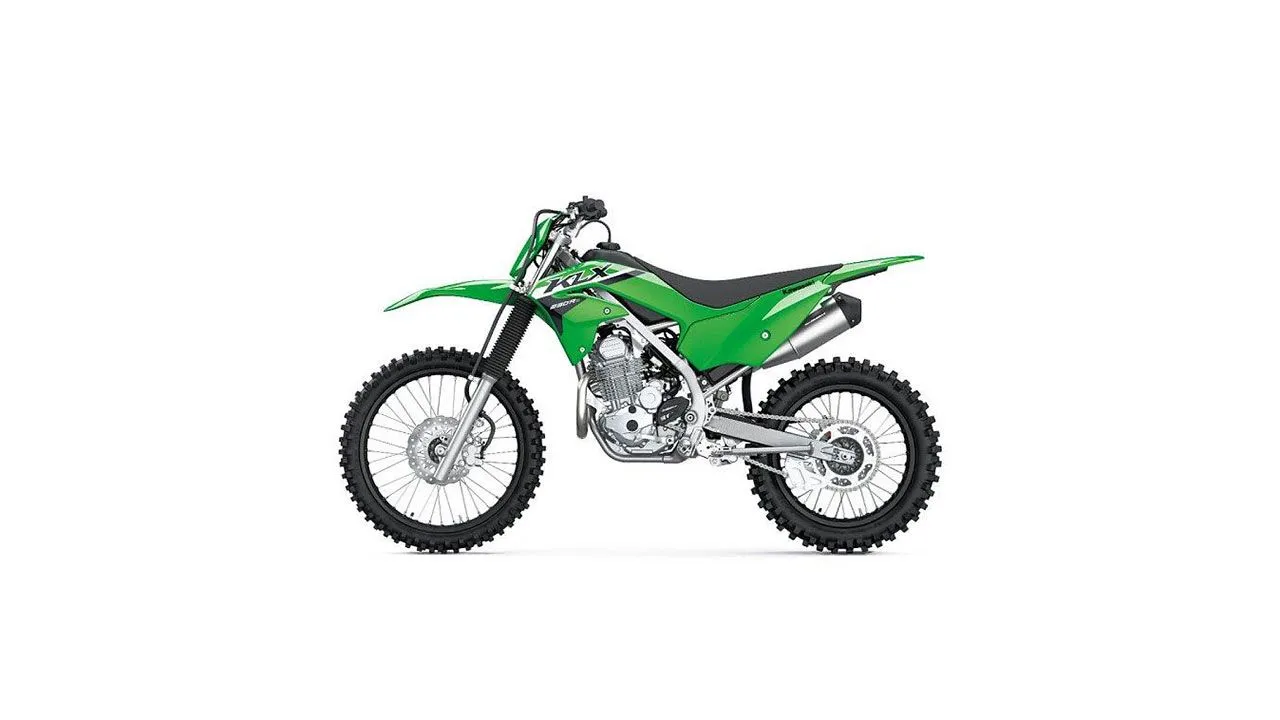
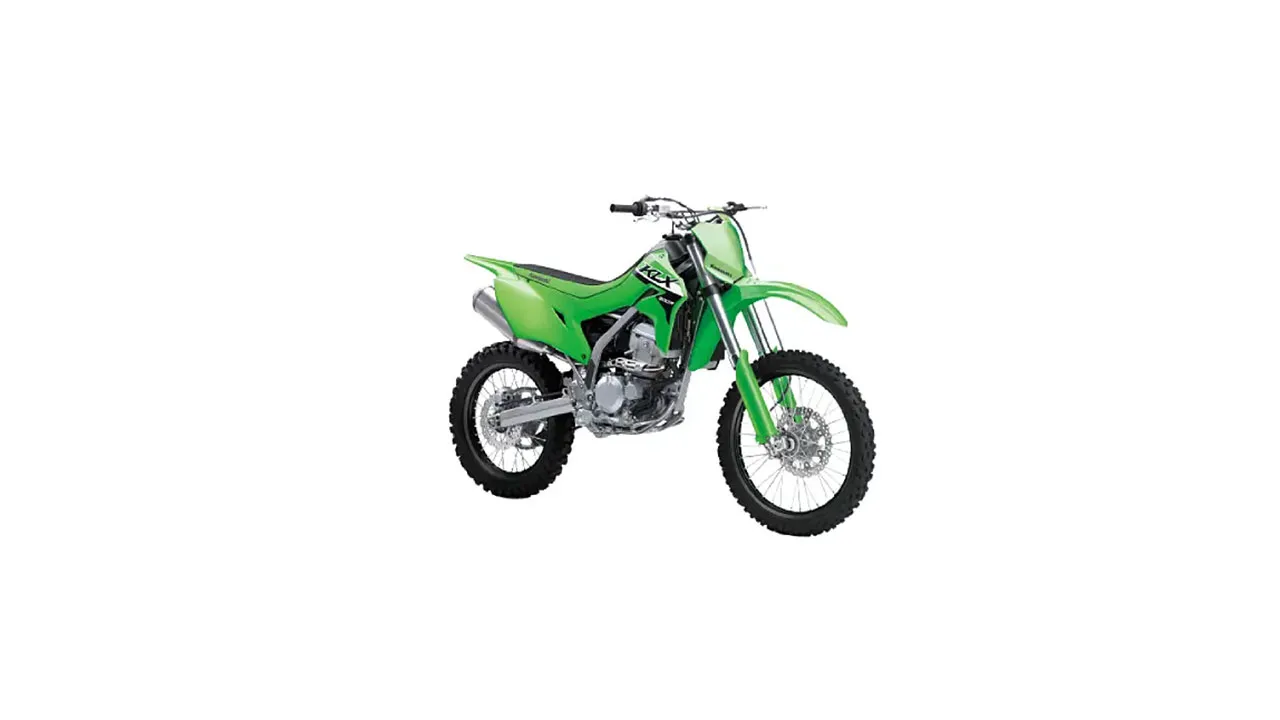
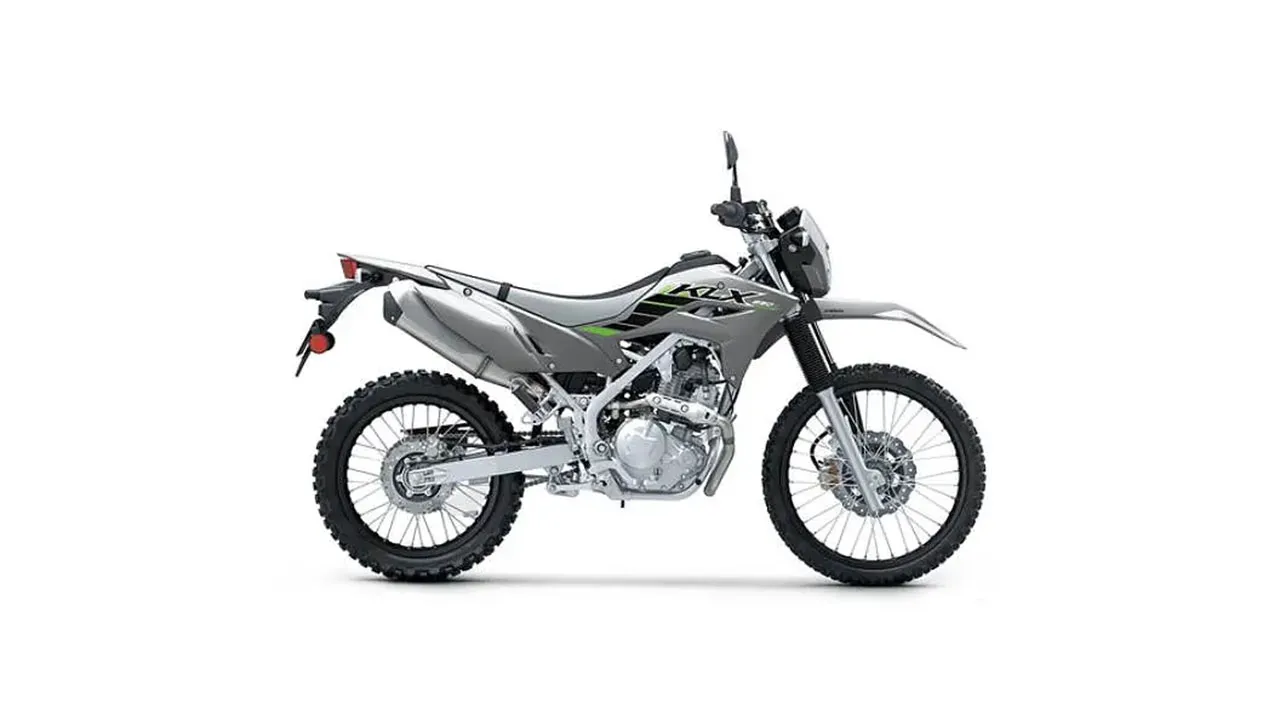
Kawasaki KLX230
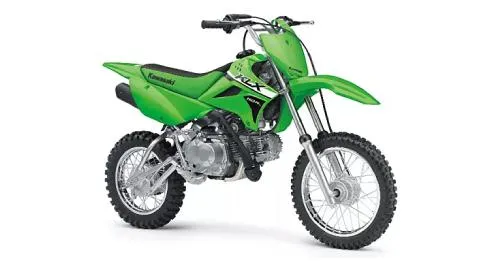
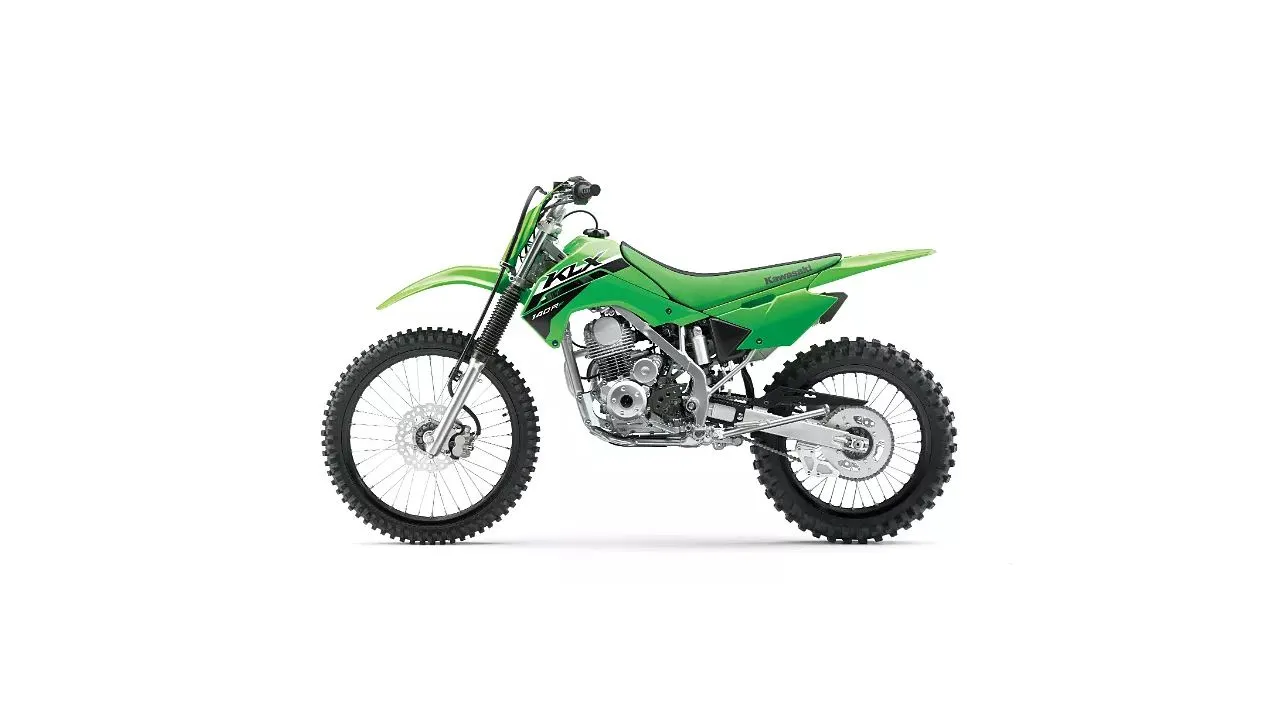
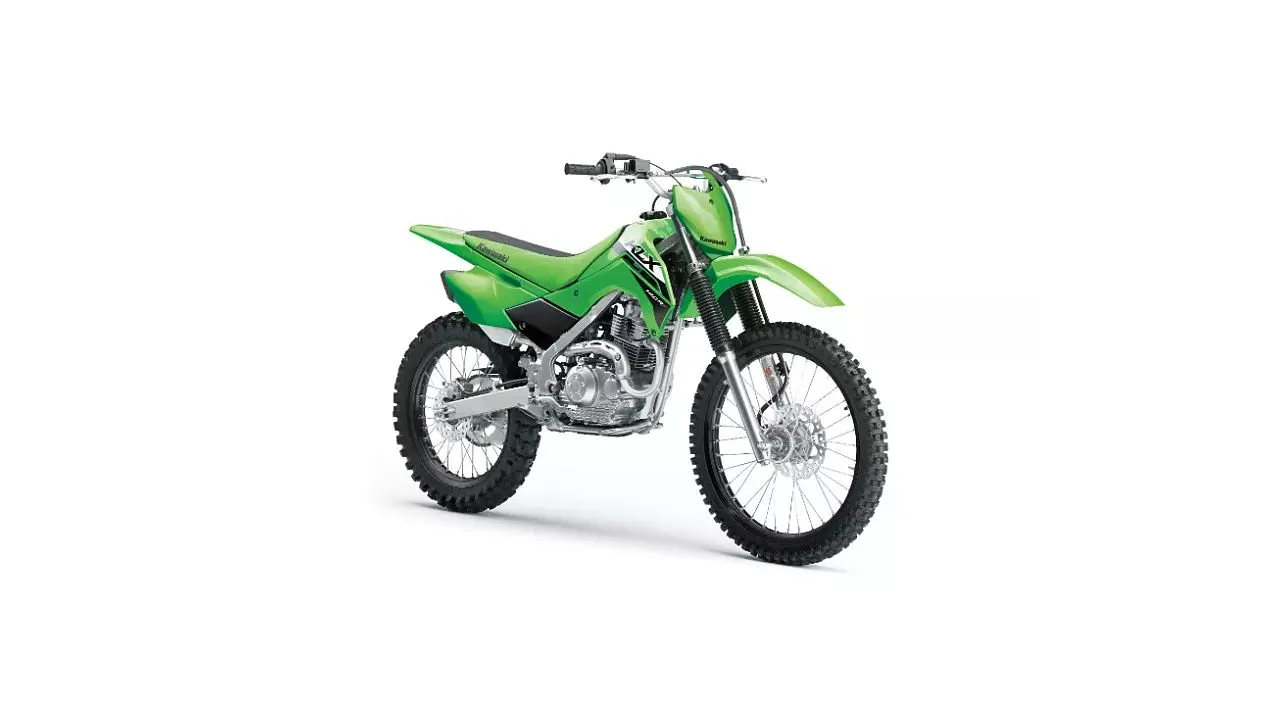
Kawasaki KLX110R L
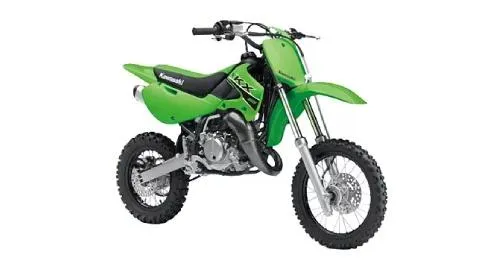
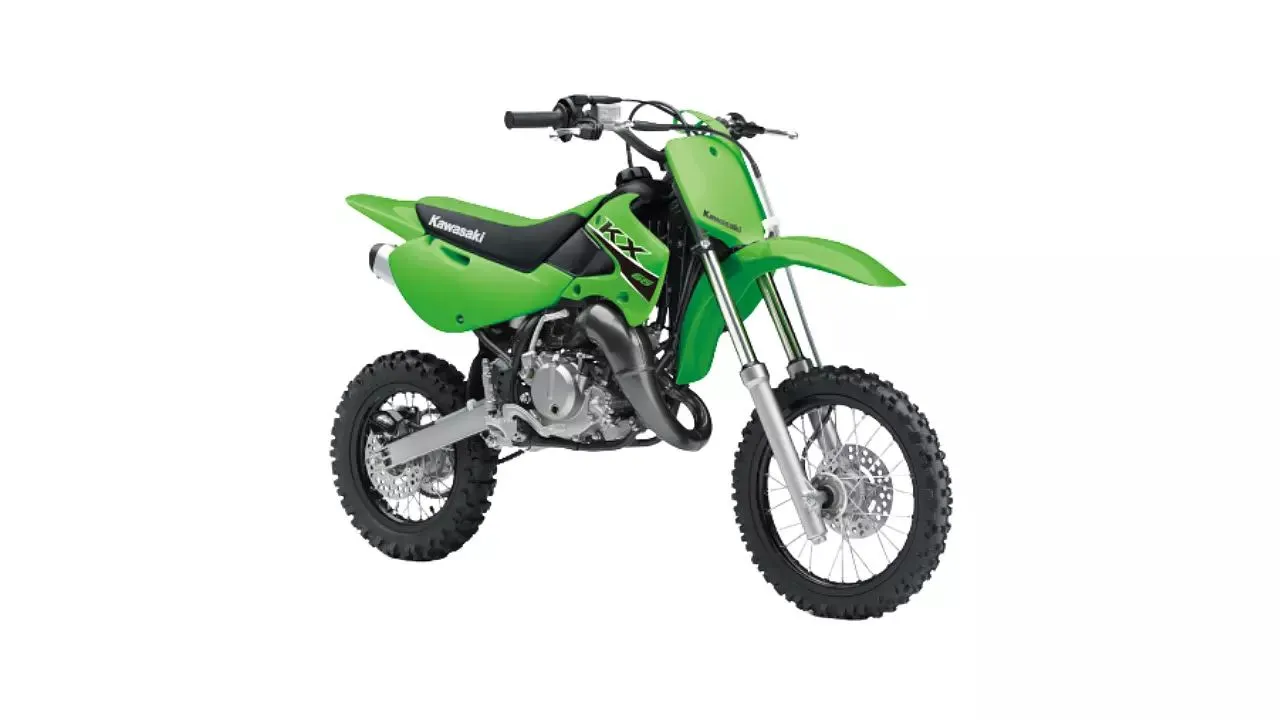
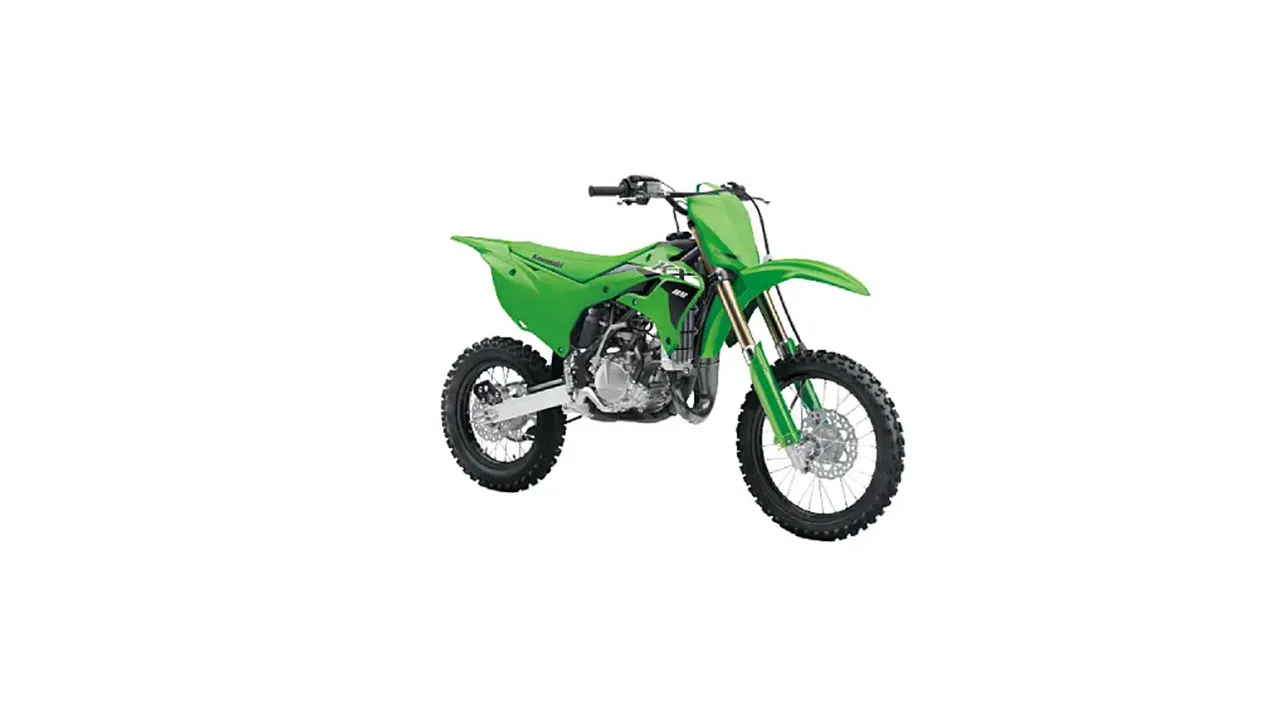
Kawasaki KX65

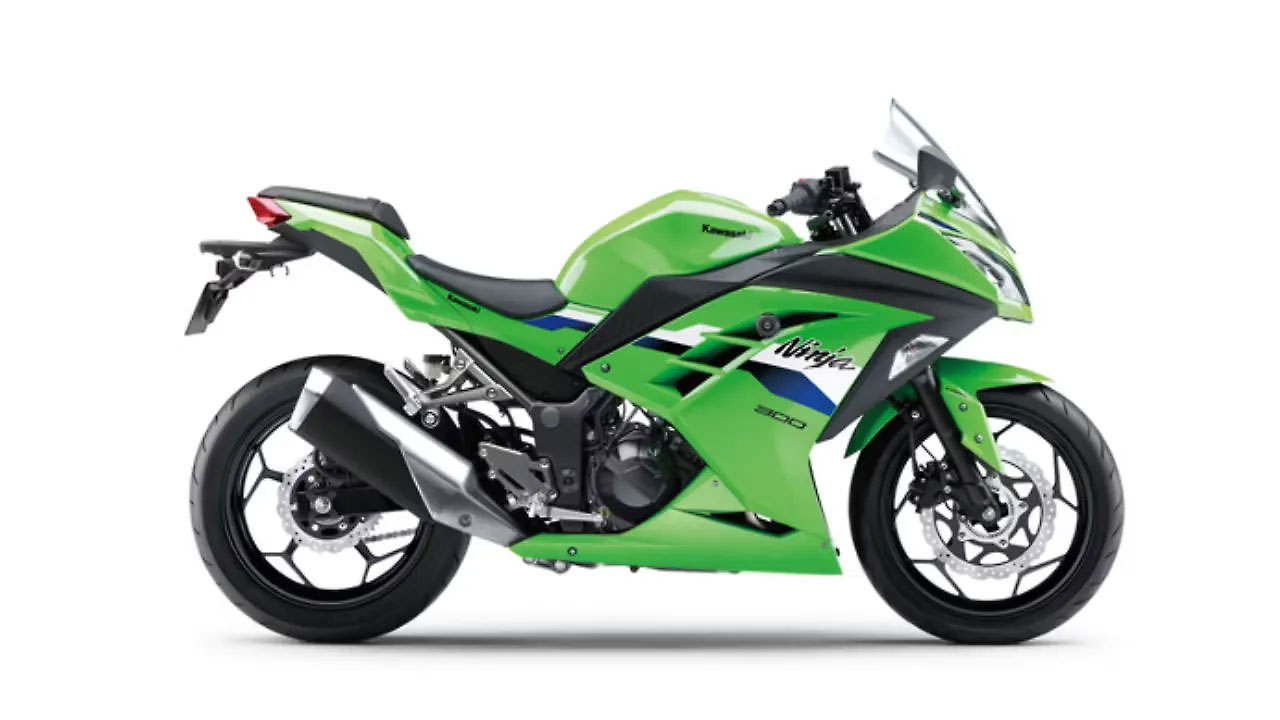
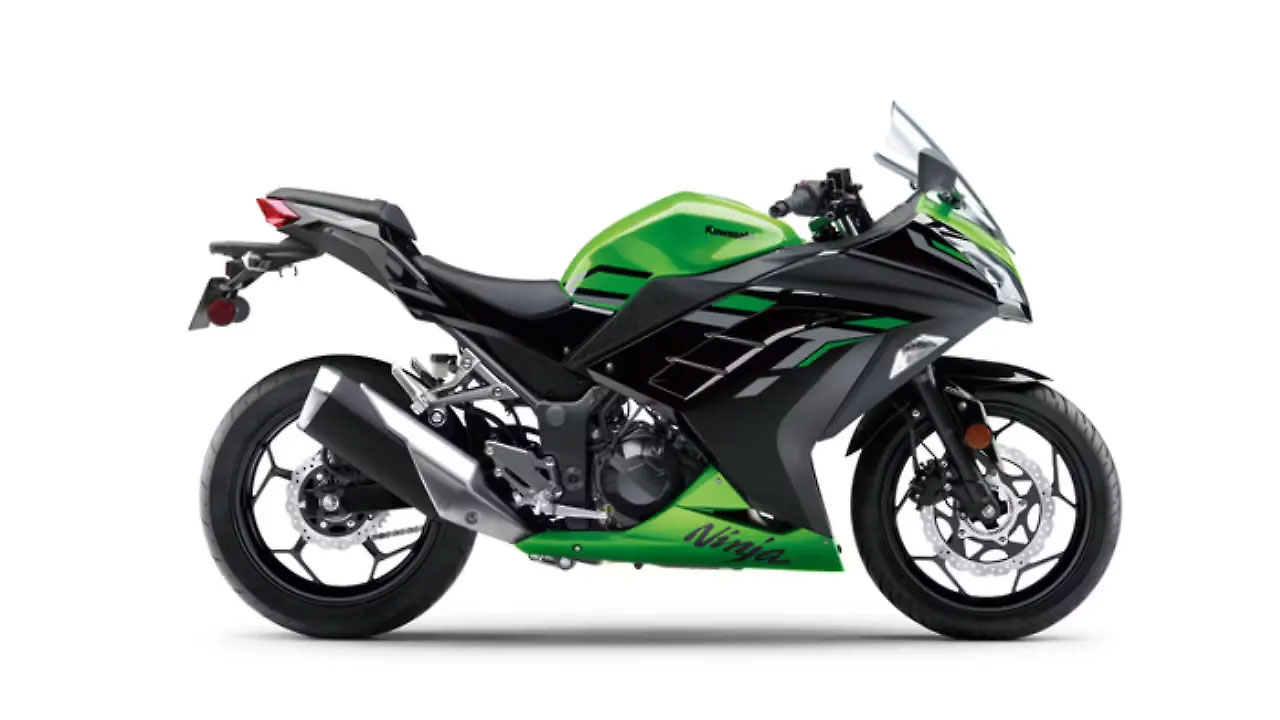
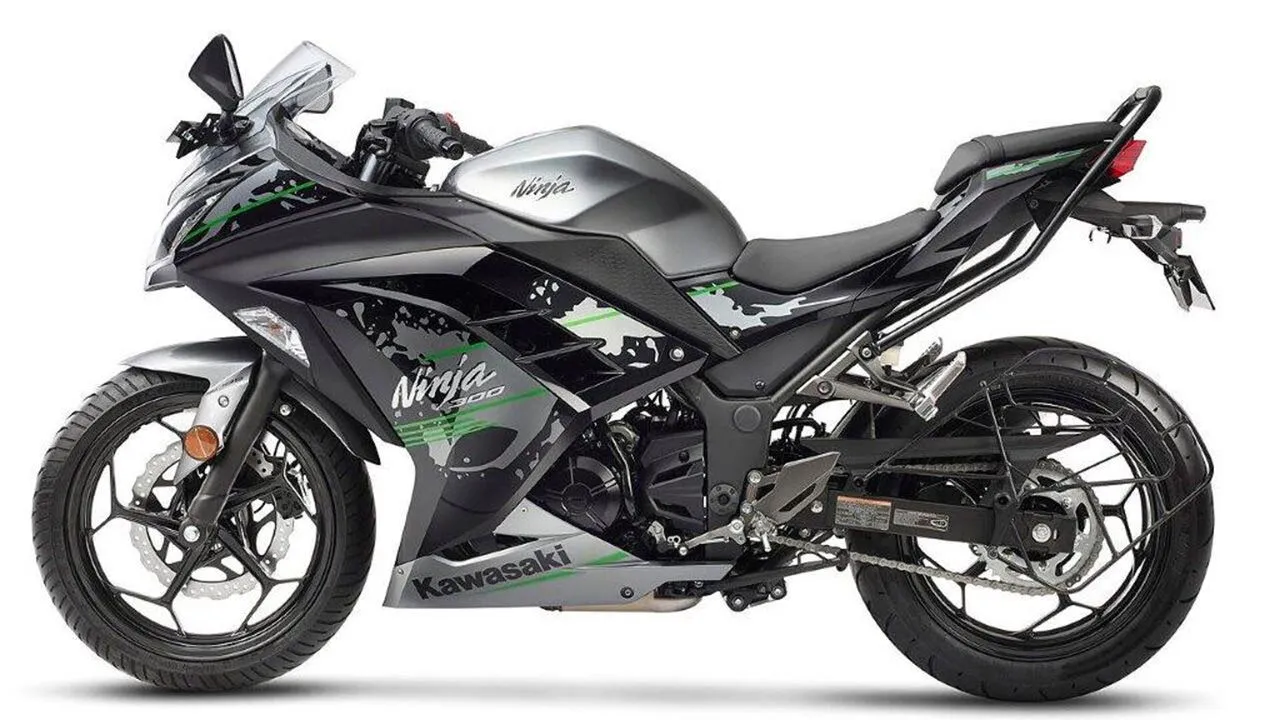
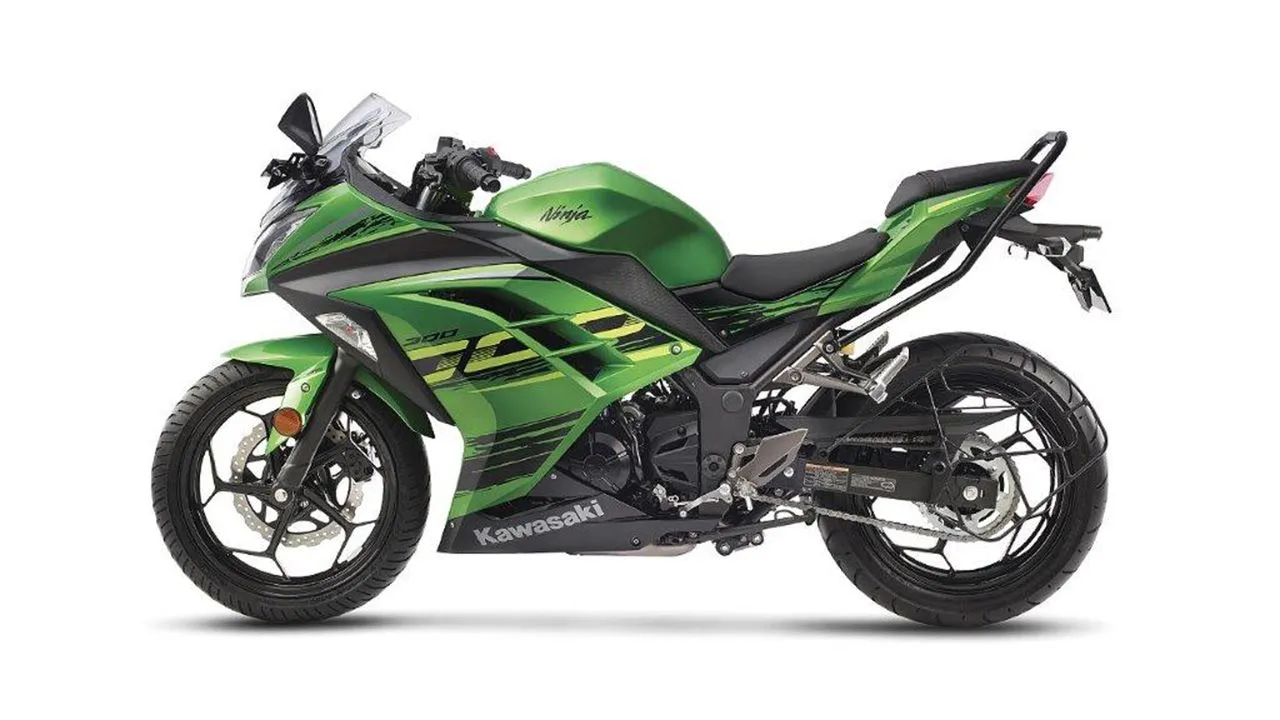
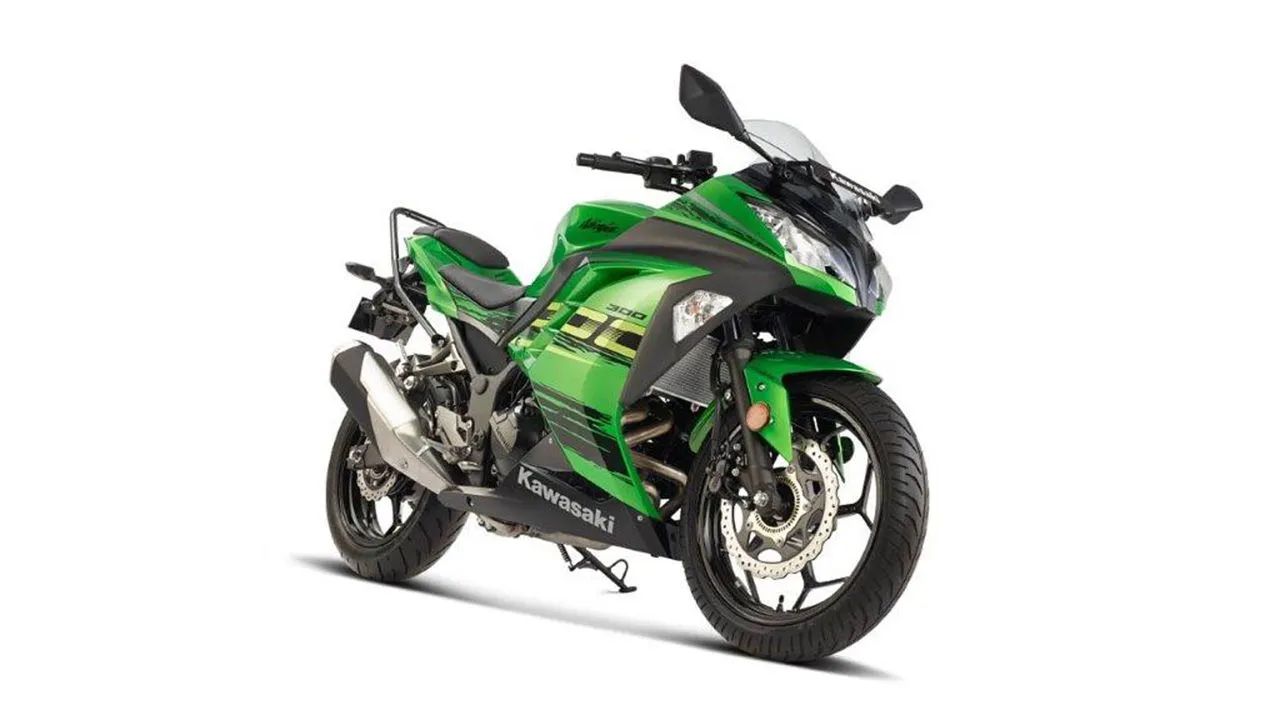
Kawasaki Ninja 300
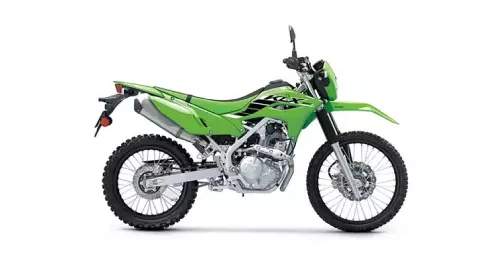
Kawasaki KLX 230 S

Kawasaki KLX 230 [2024]

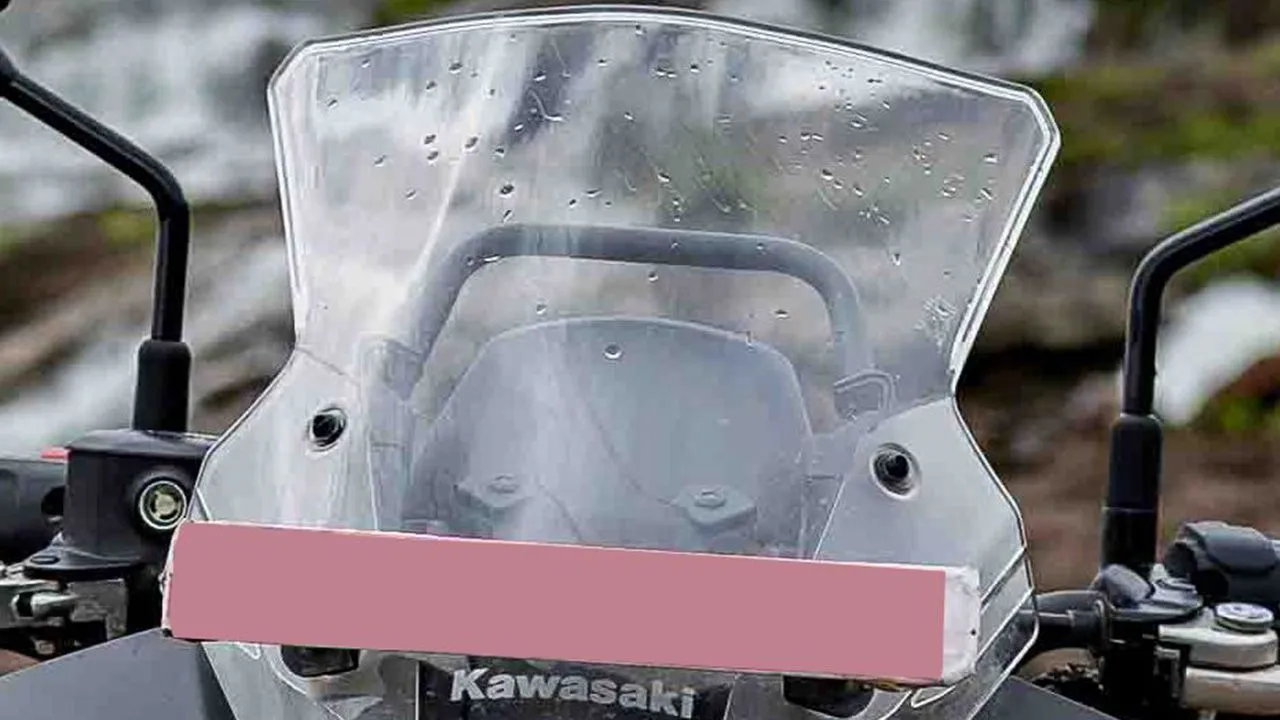
Kawasaki Versys-X 300 [2026]

Kawasaki Versys-X 300
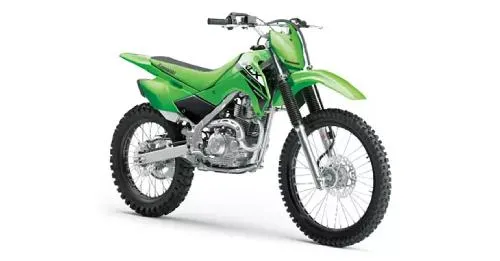
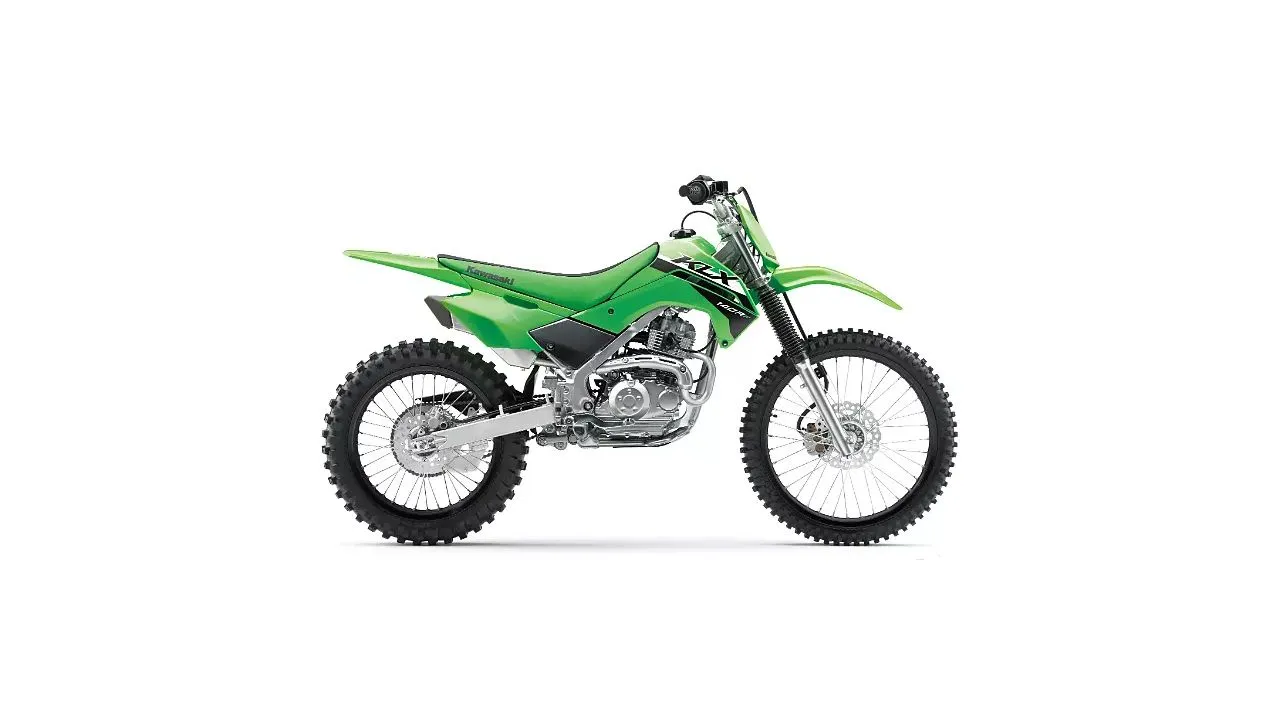
Kawasaki KLX 140R F
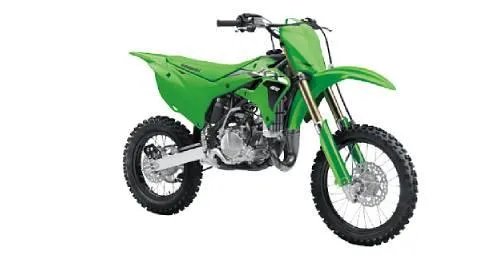
Kawasaki KX 85
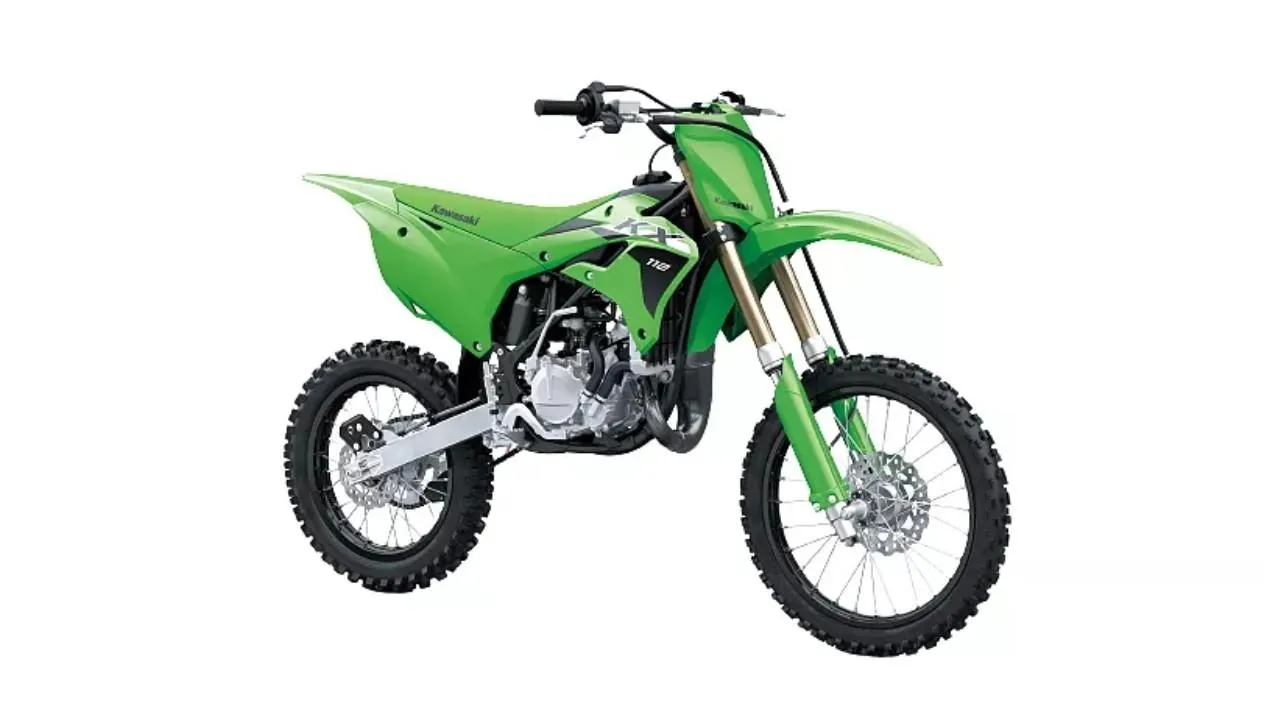
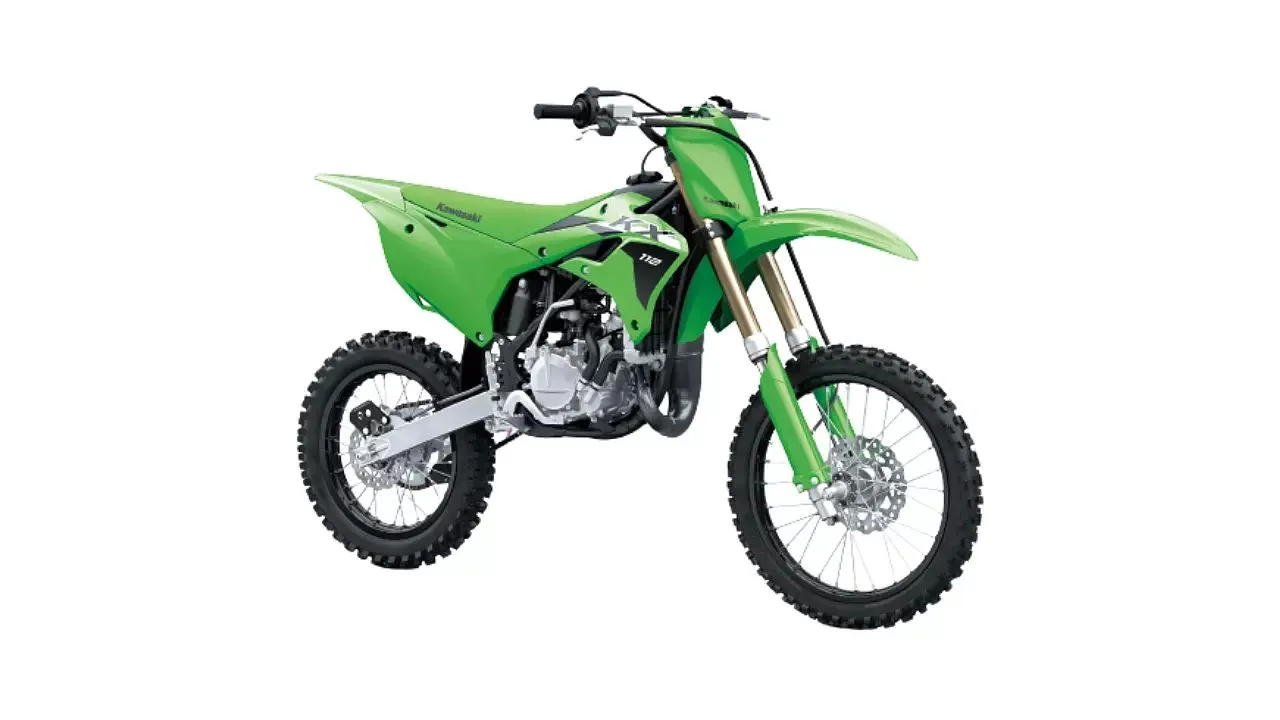
Kawasaki KX112
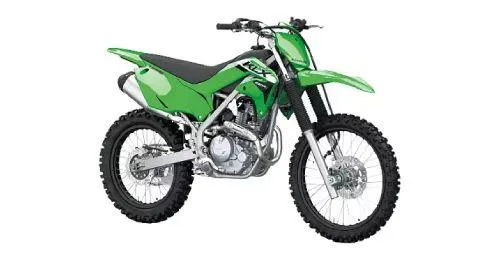
Kawasaki KLX230RS

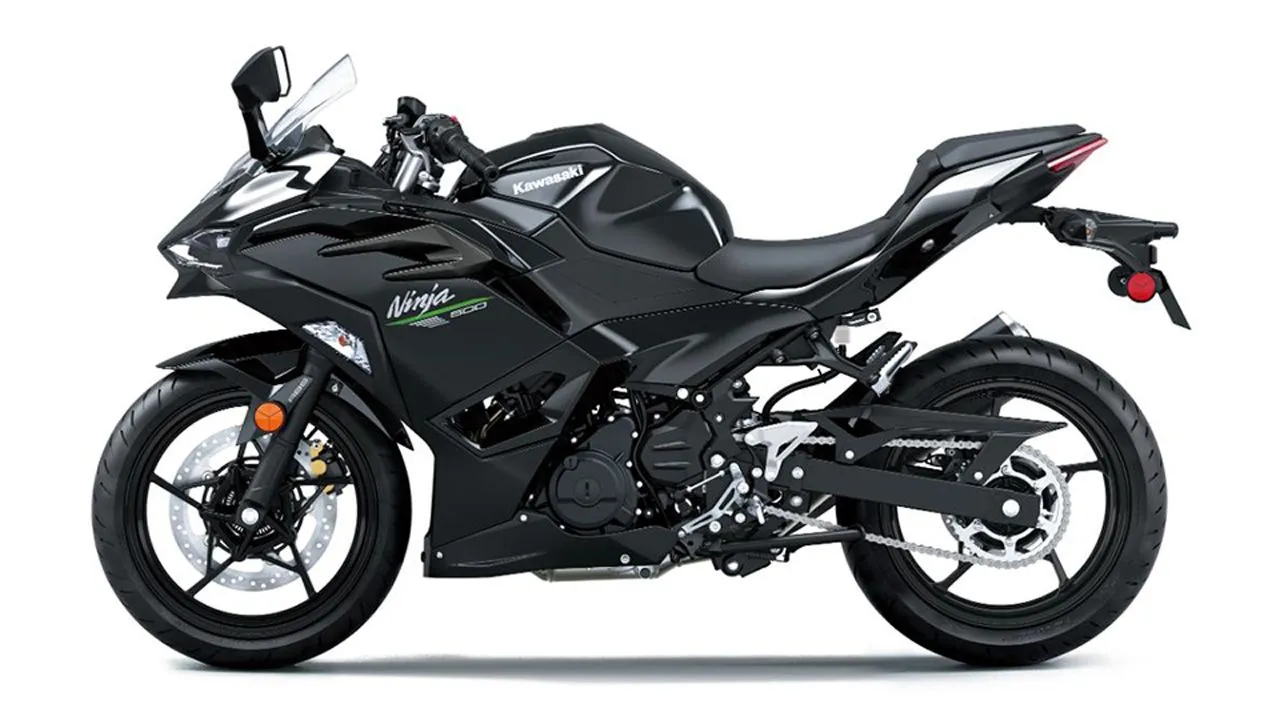
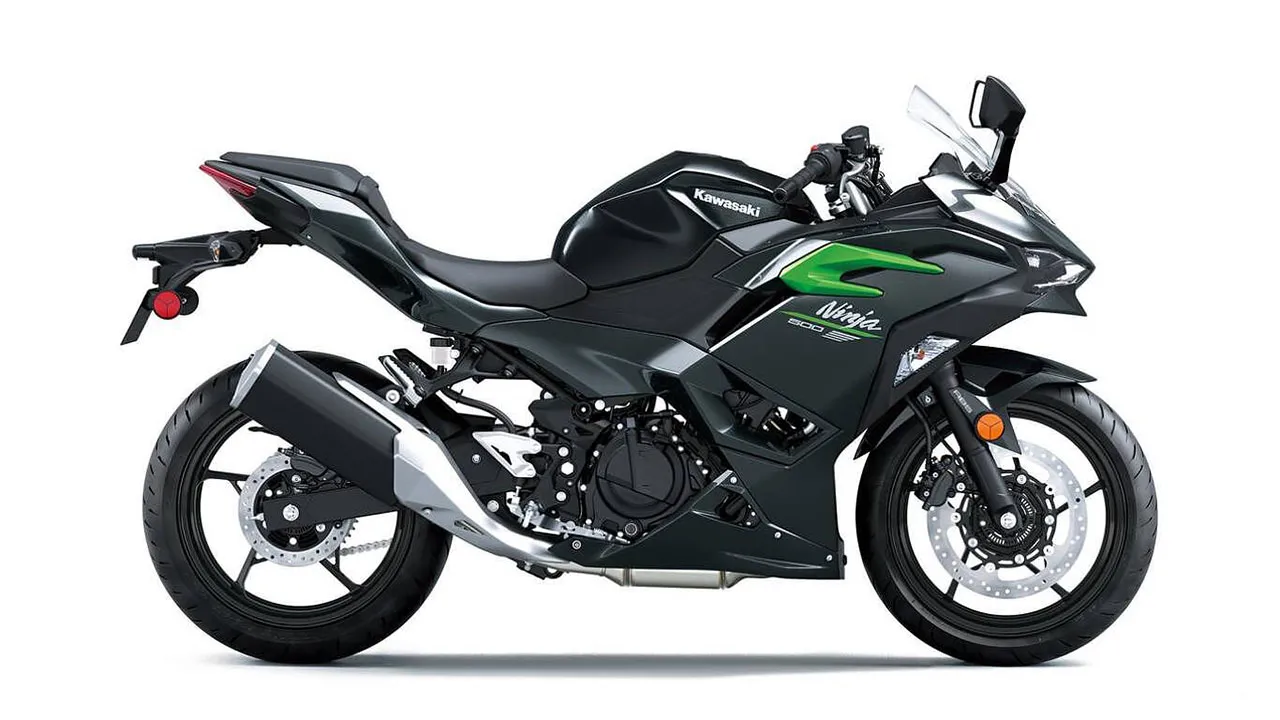
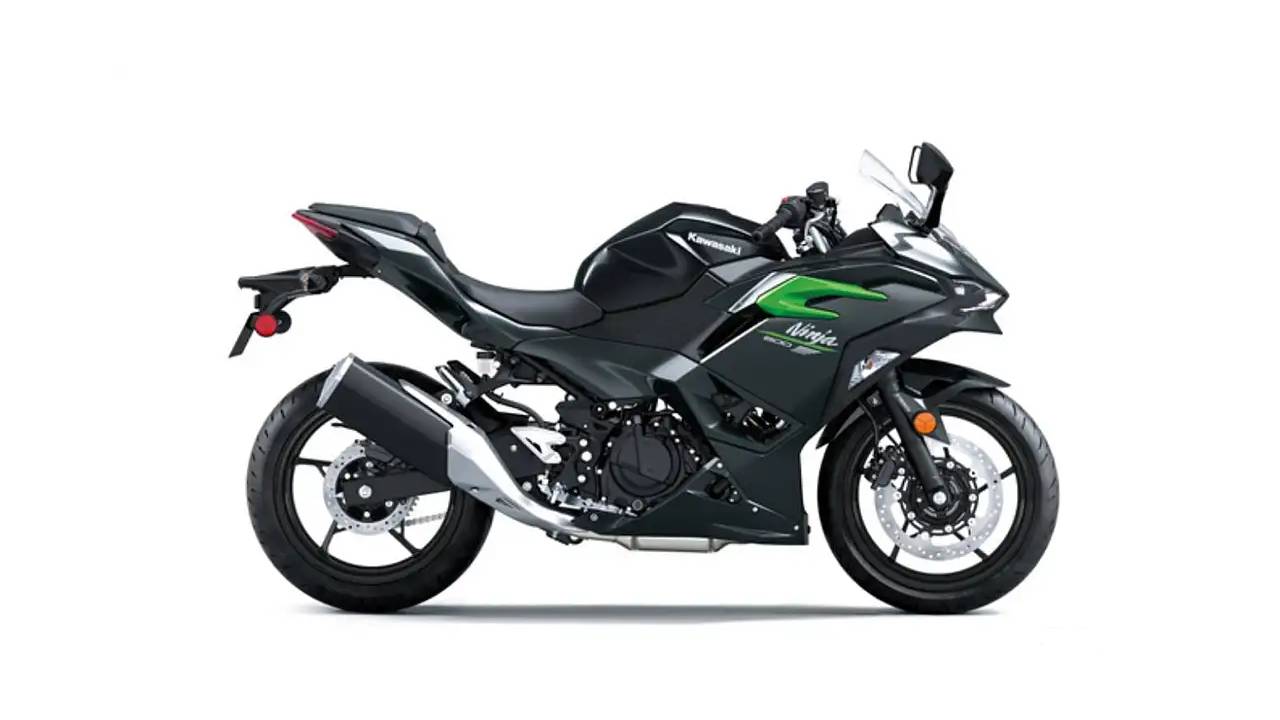
Kawasaki Ninja 500
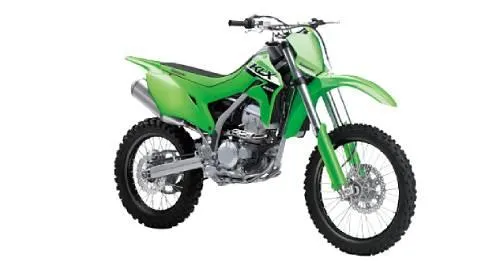
Kawasaki KLX 300R
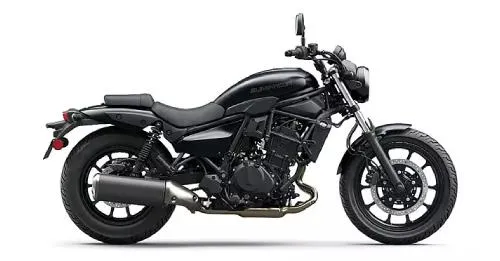
Kawasaki Eliminator 450
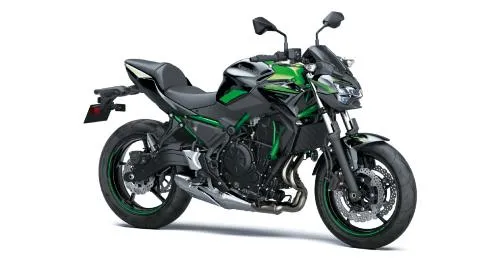
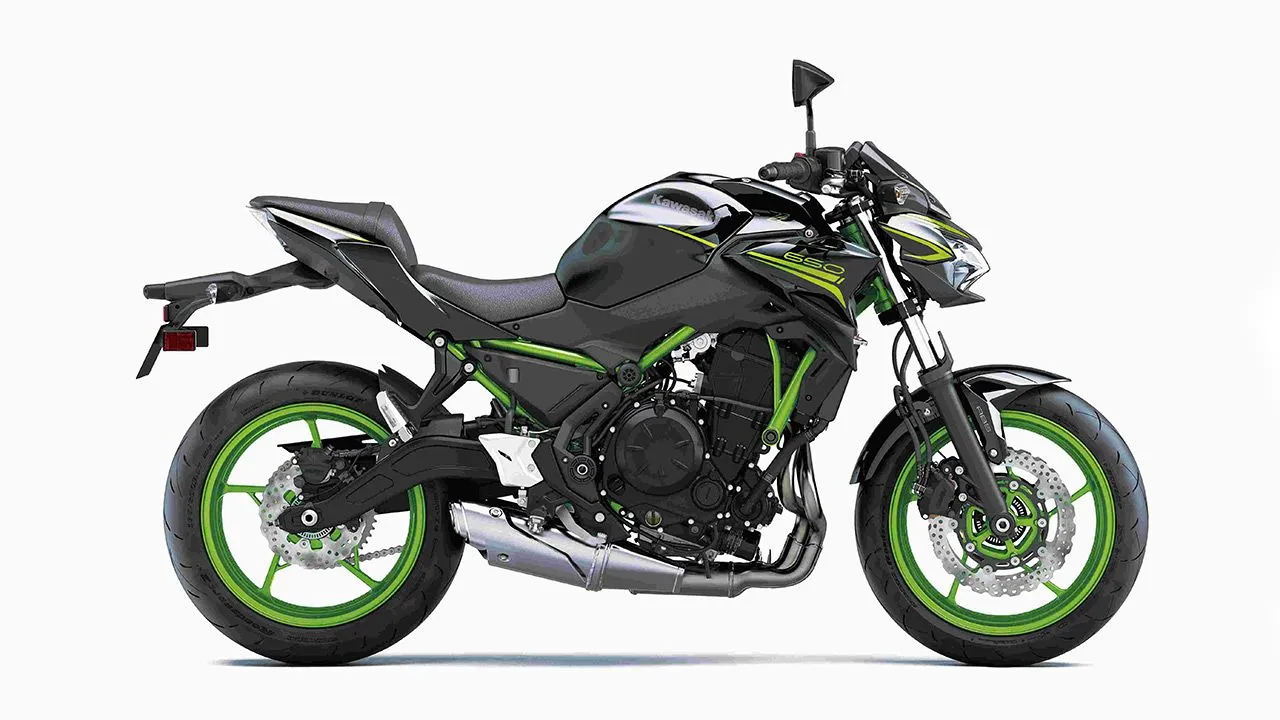
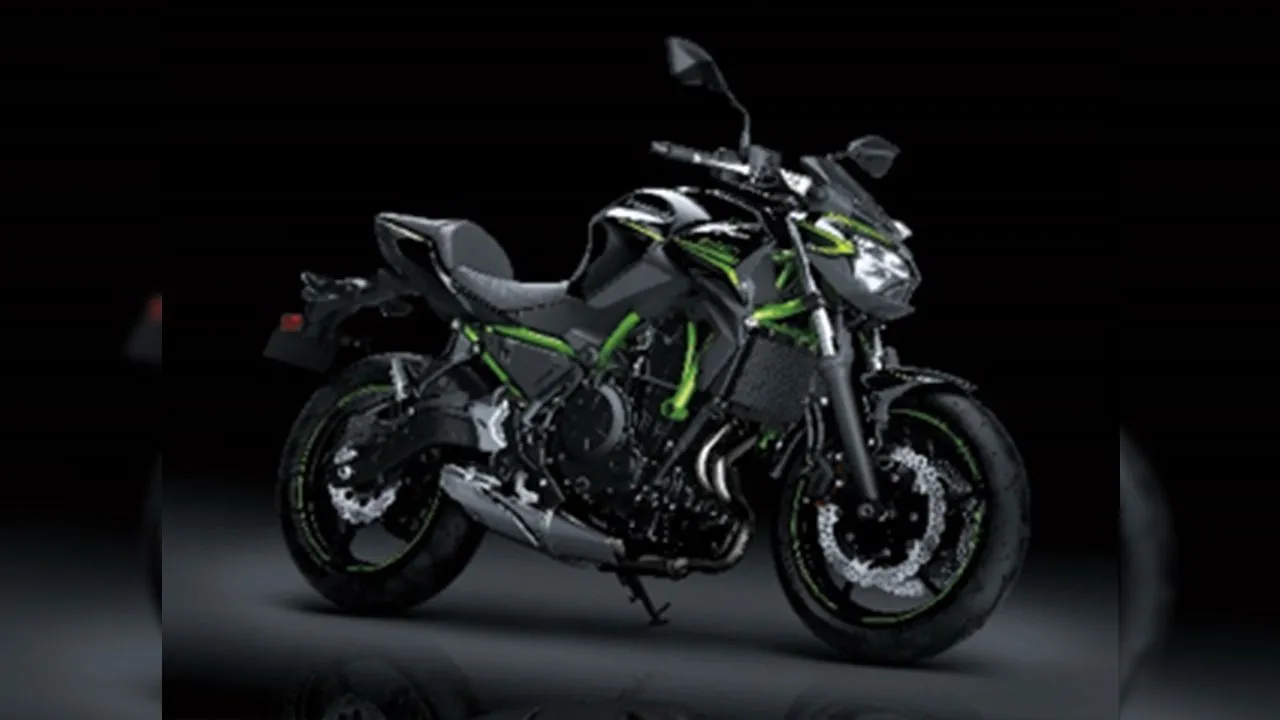
Kawasaki Z650
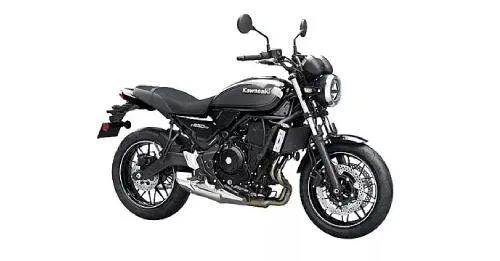
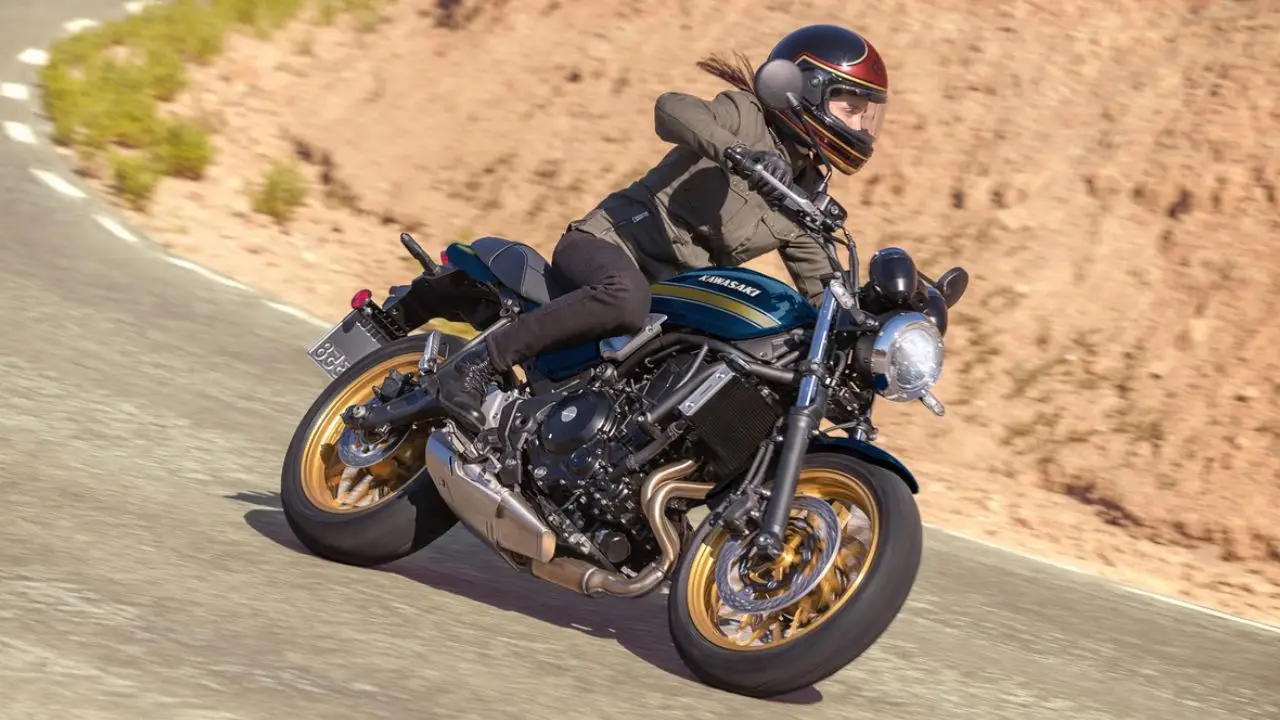
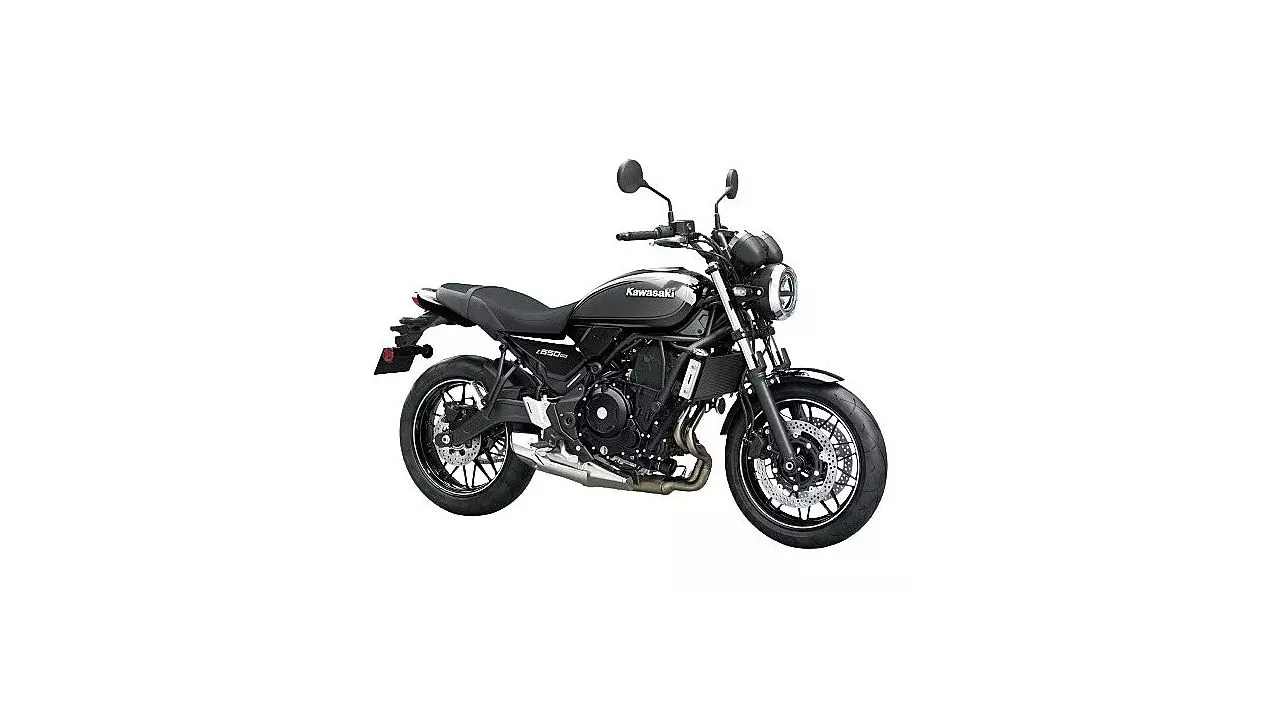
Kawasaki Z650RS
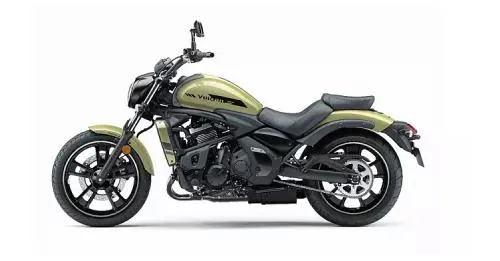
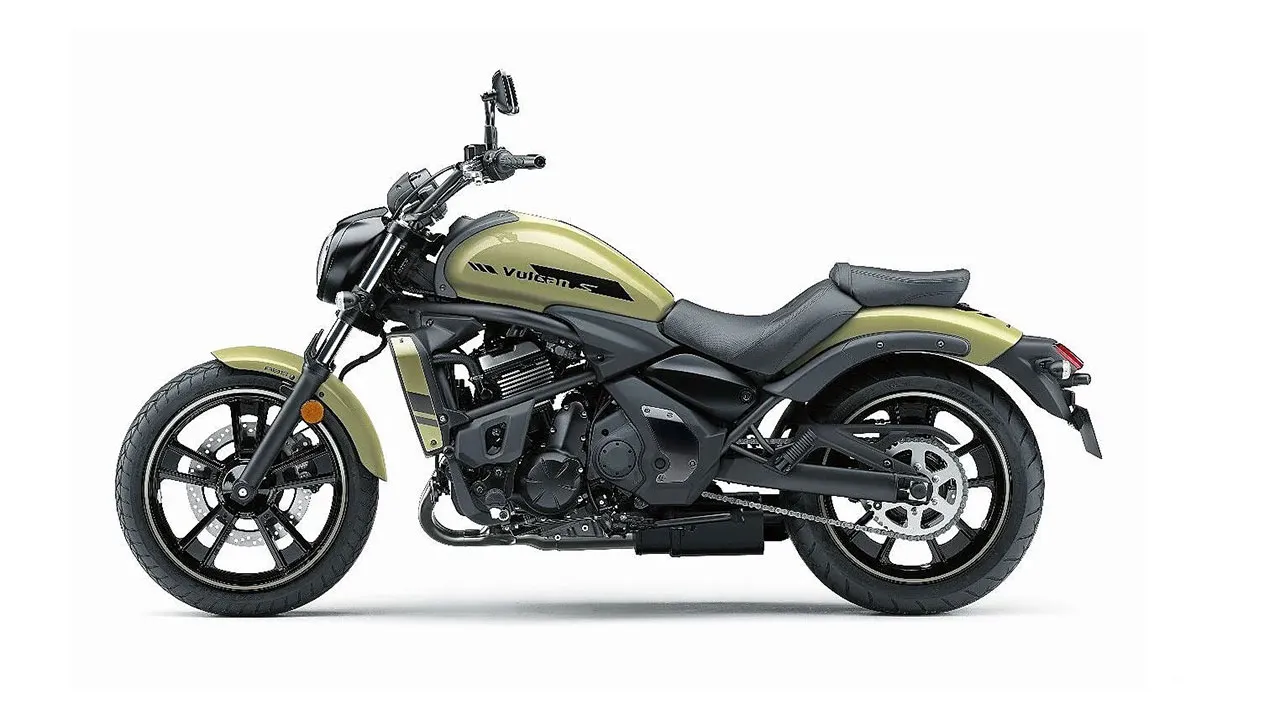
Kawasaki Vulcan S

Kawasaki Z650RS [2026]

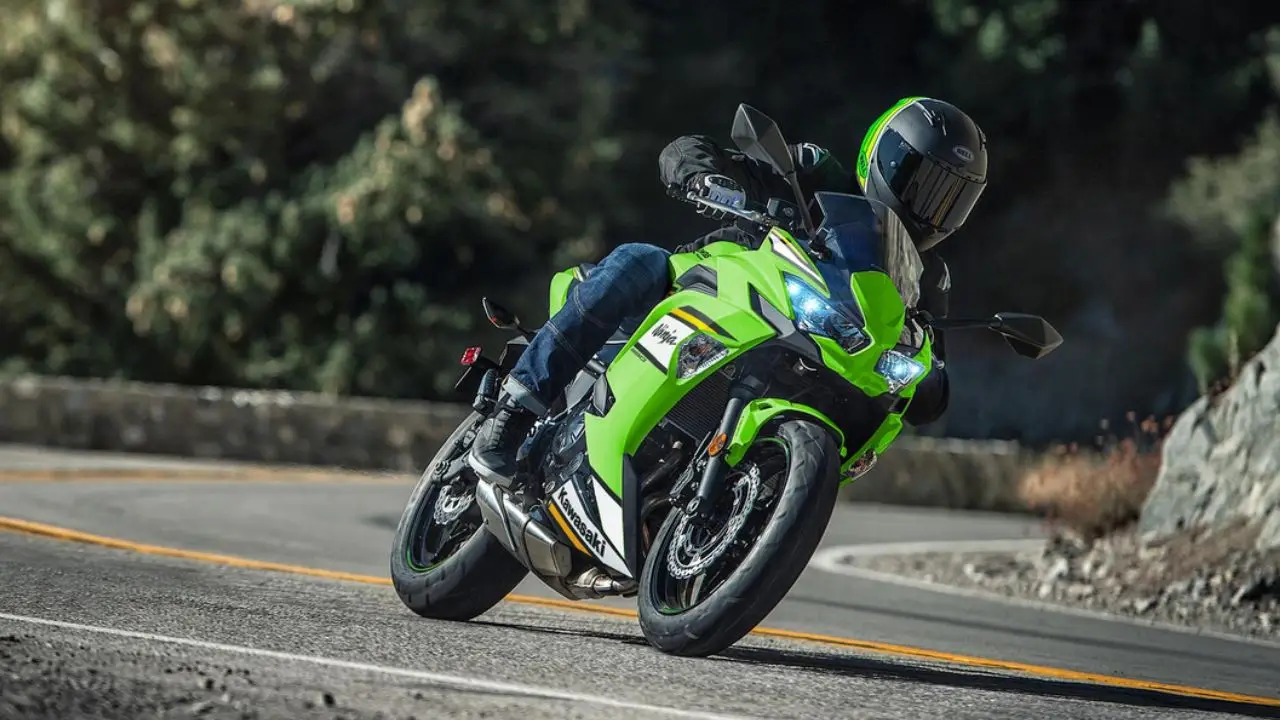
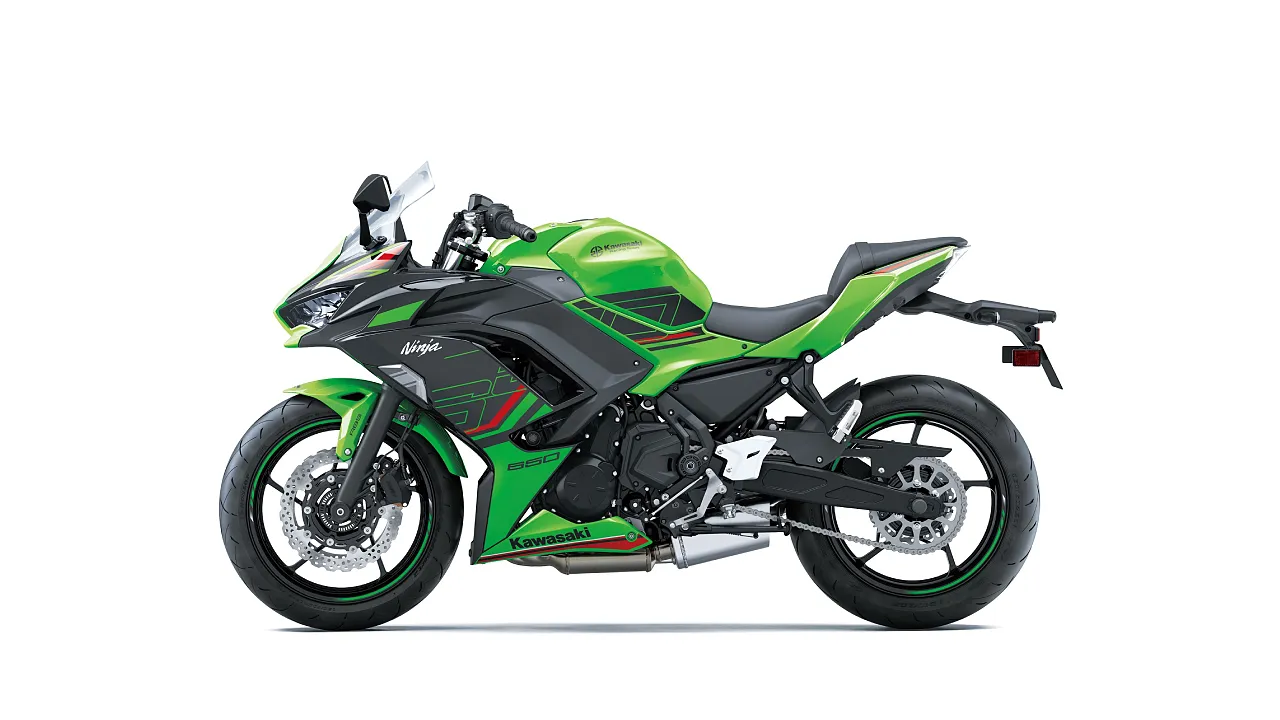
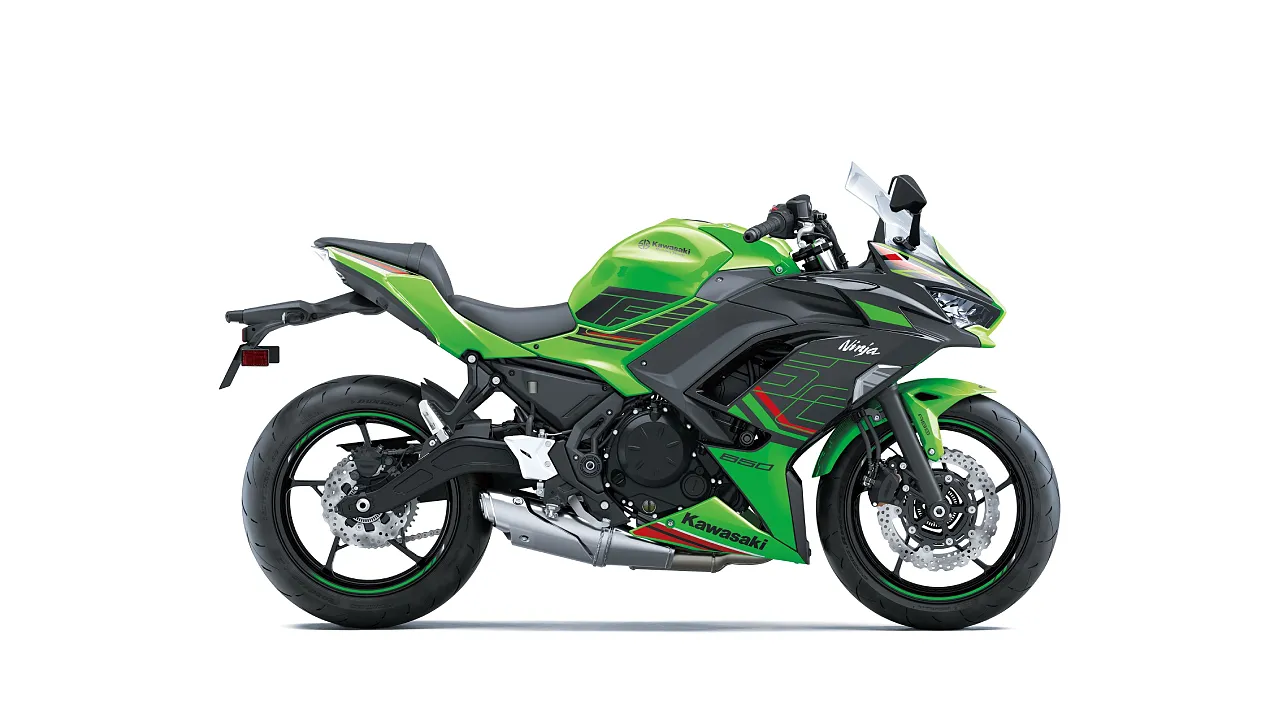
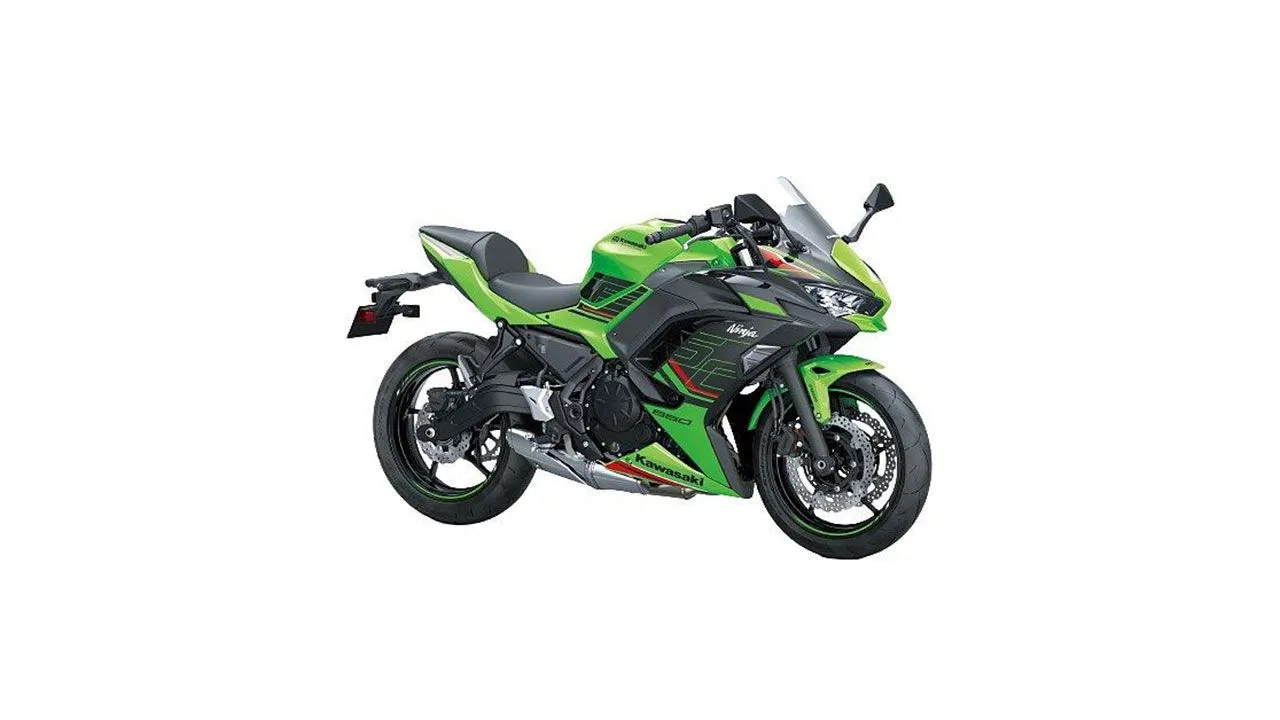
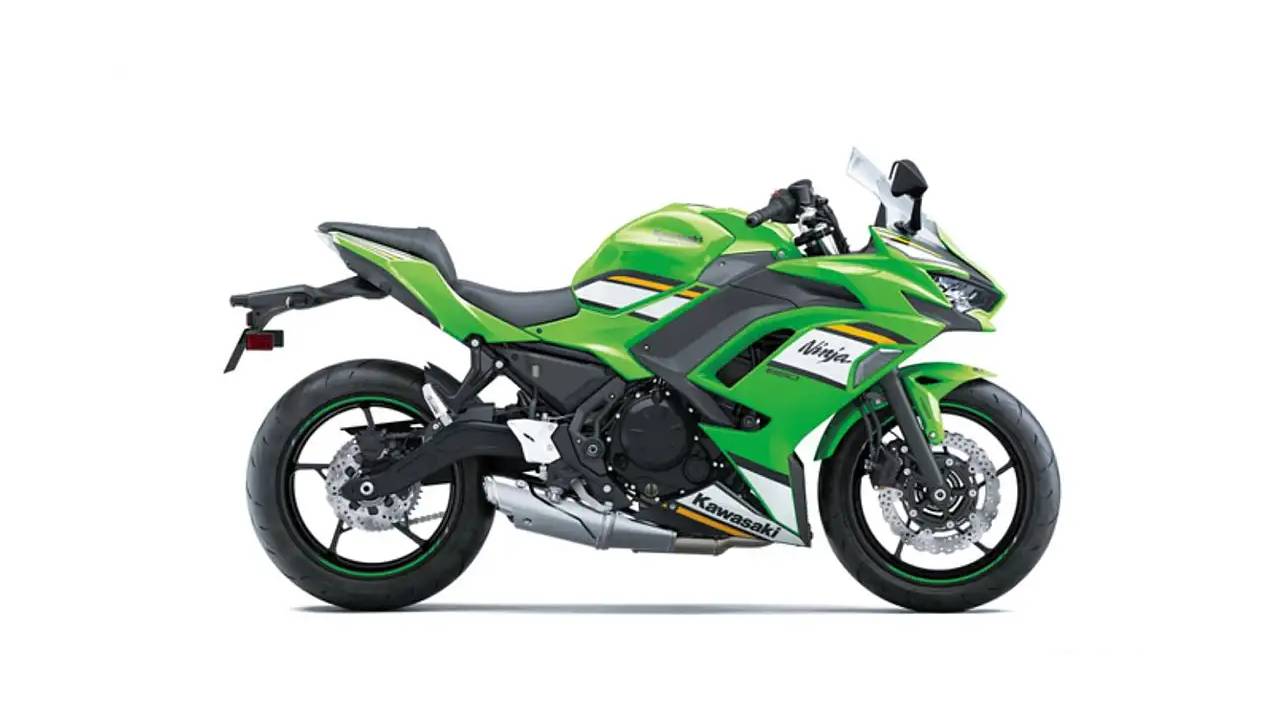
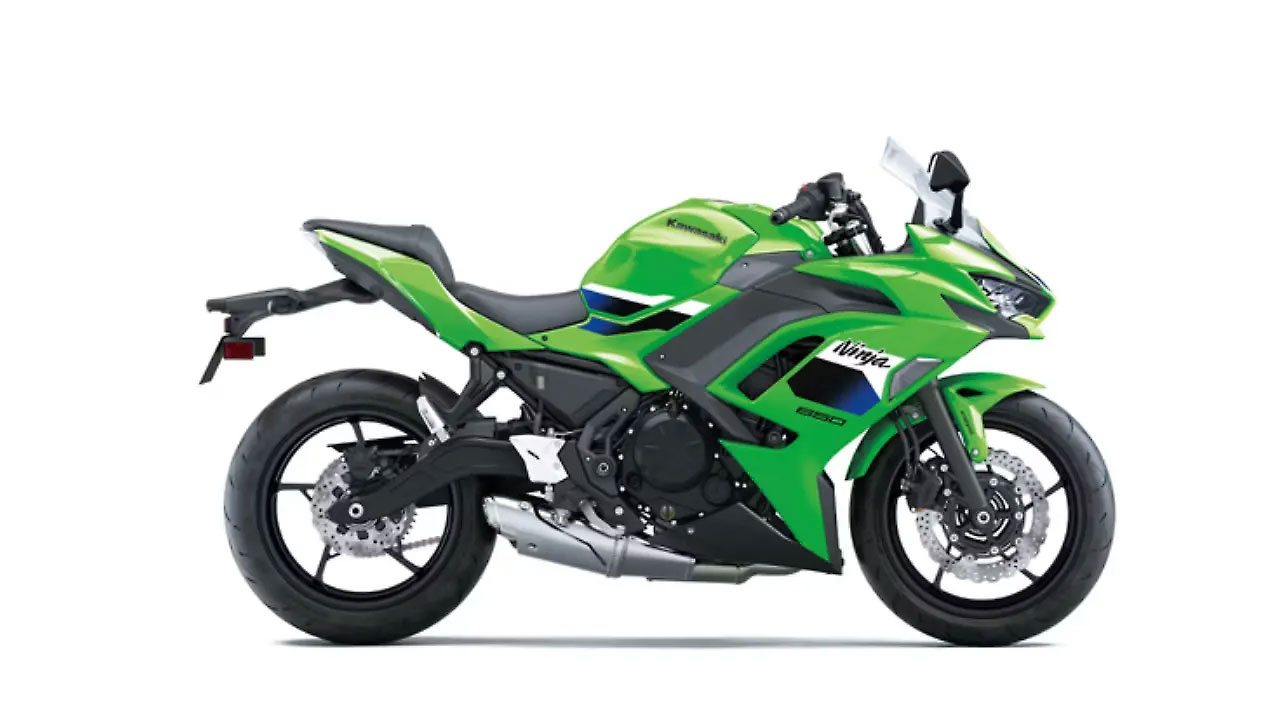
Kawasaki Ninja 650
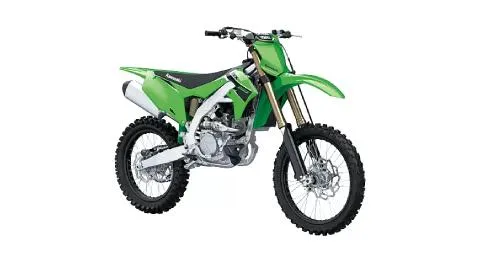
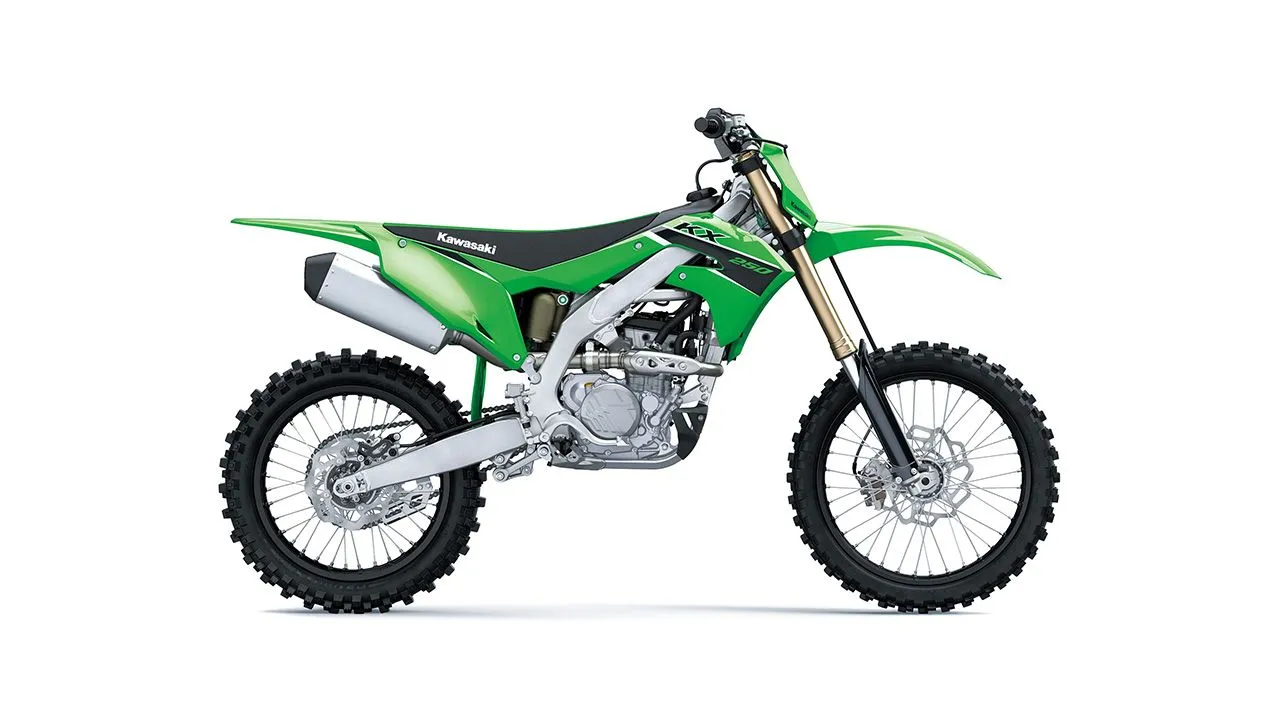
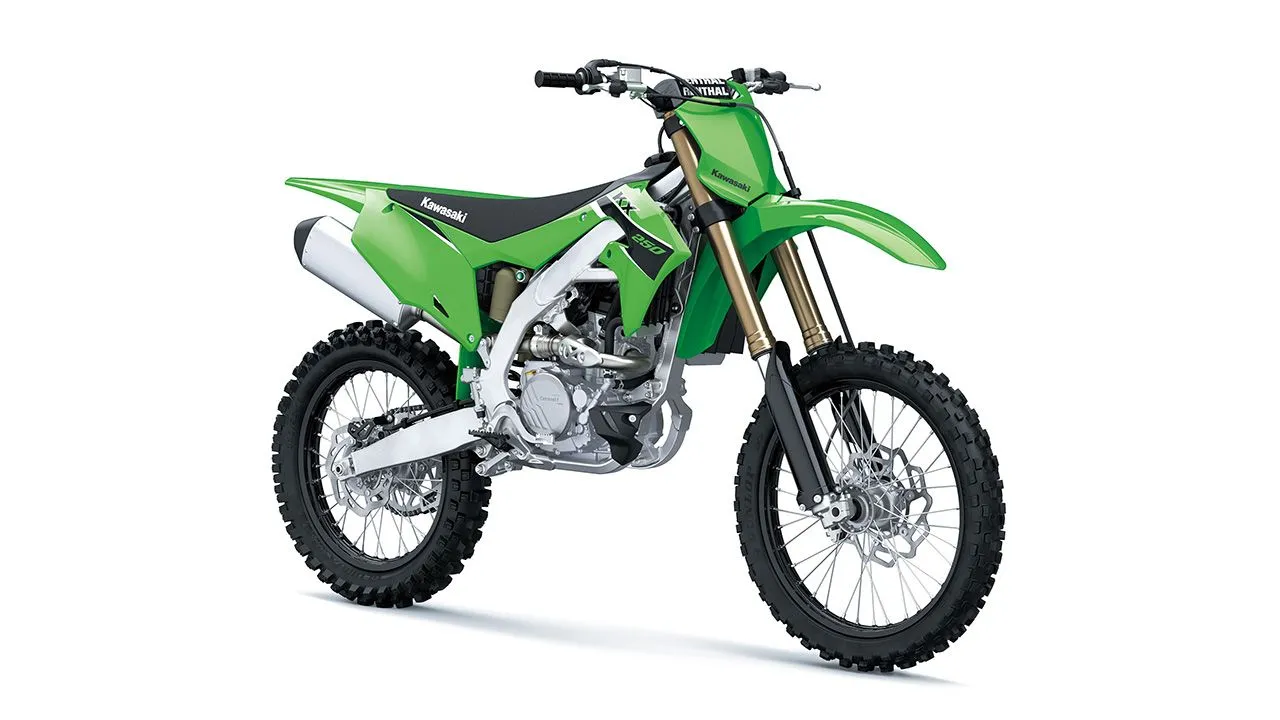
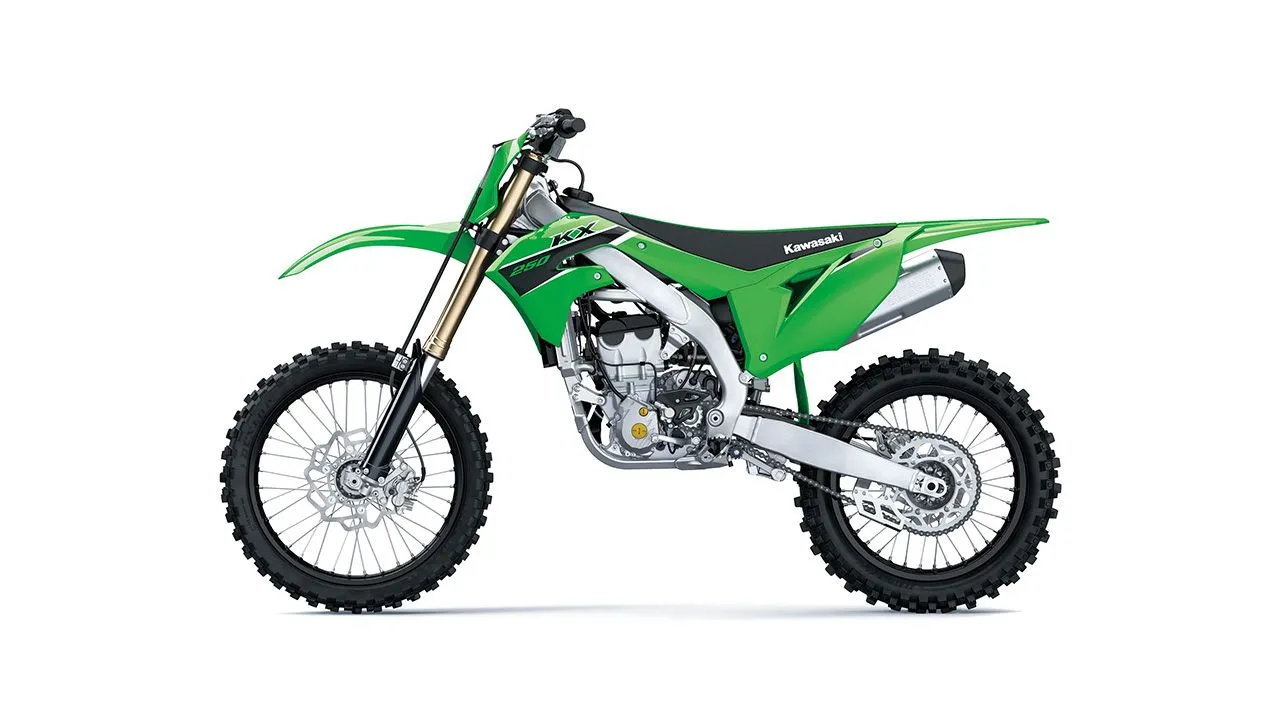
Kawasaki KX250

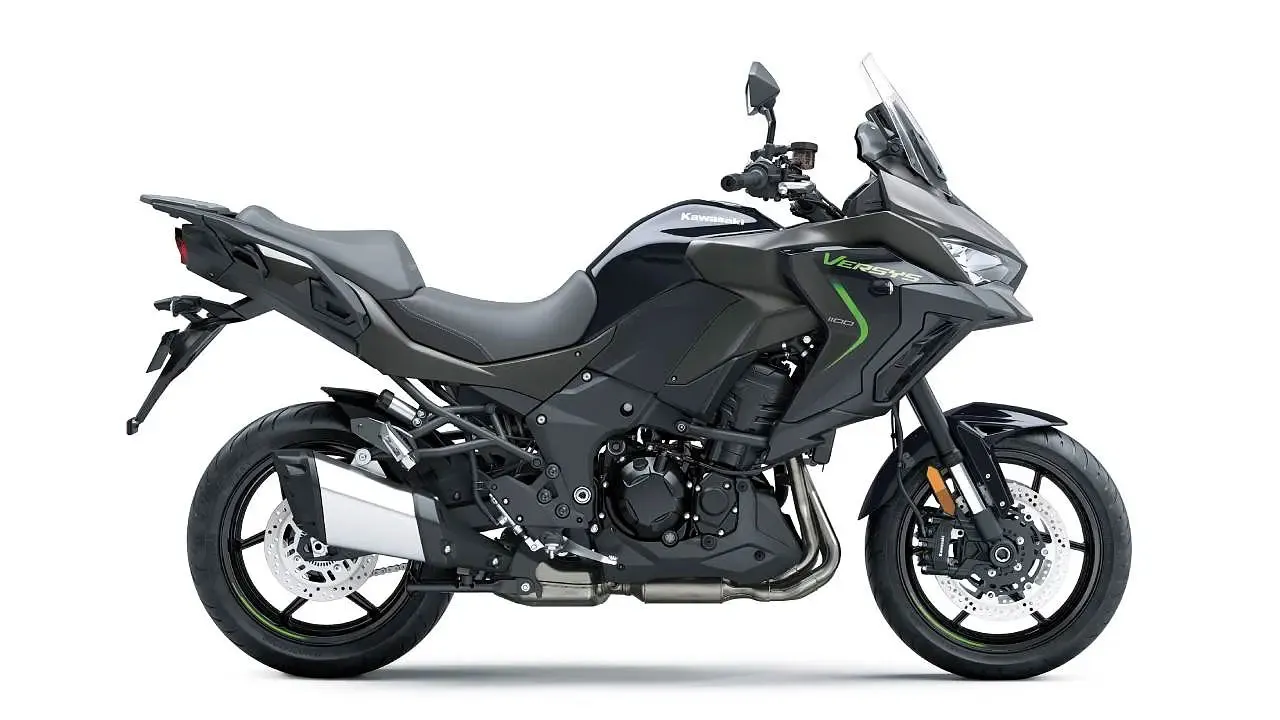
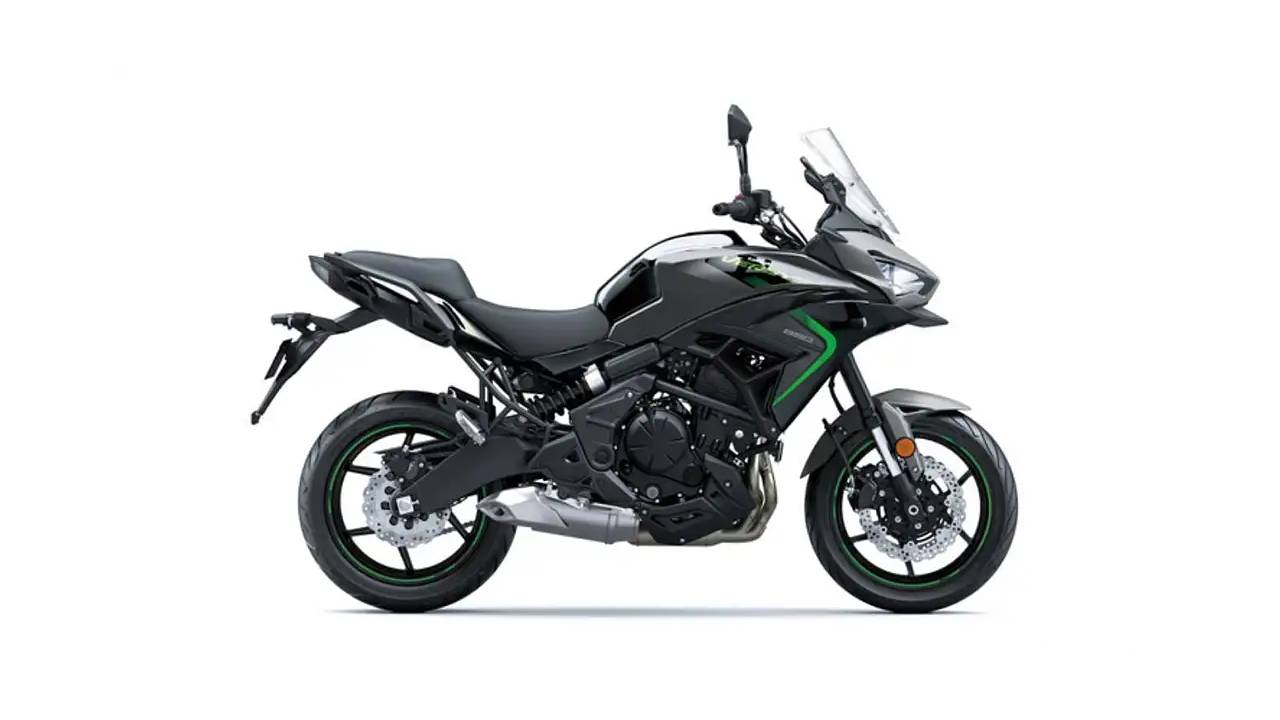
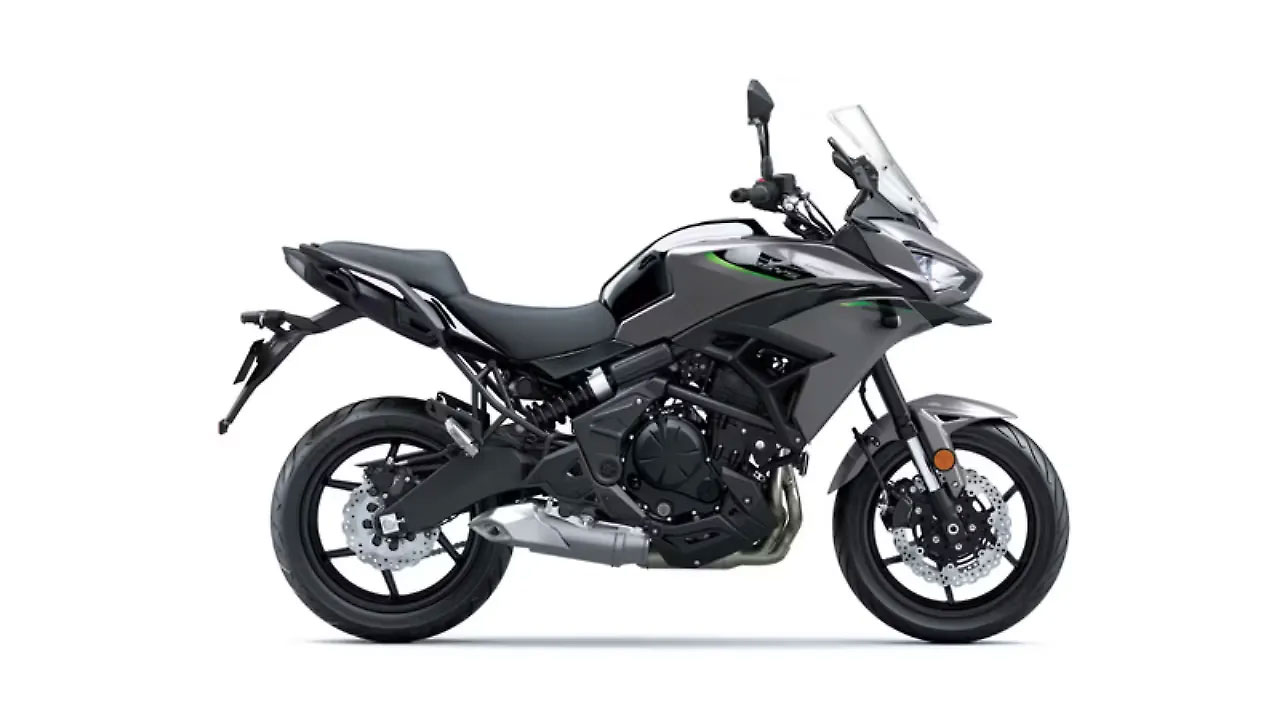
Kawasaki Versys 650
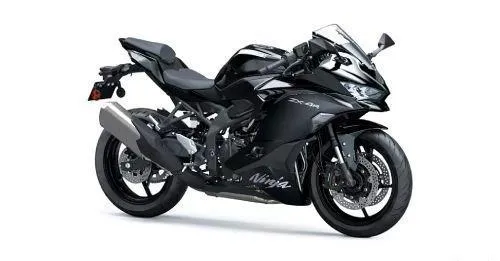
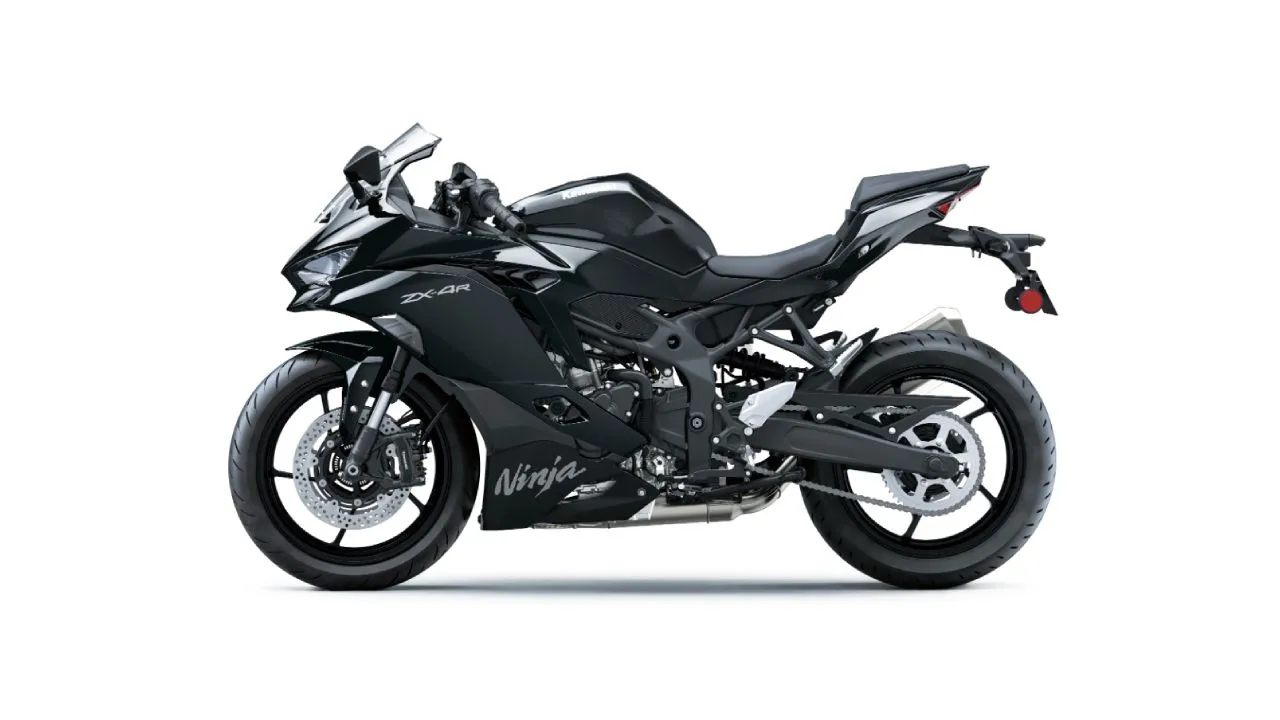
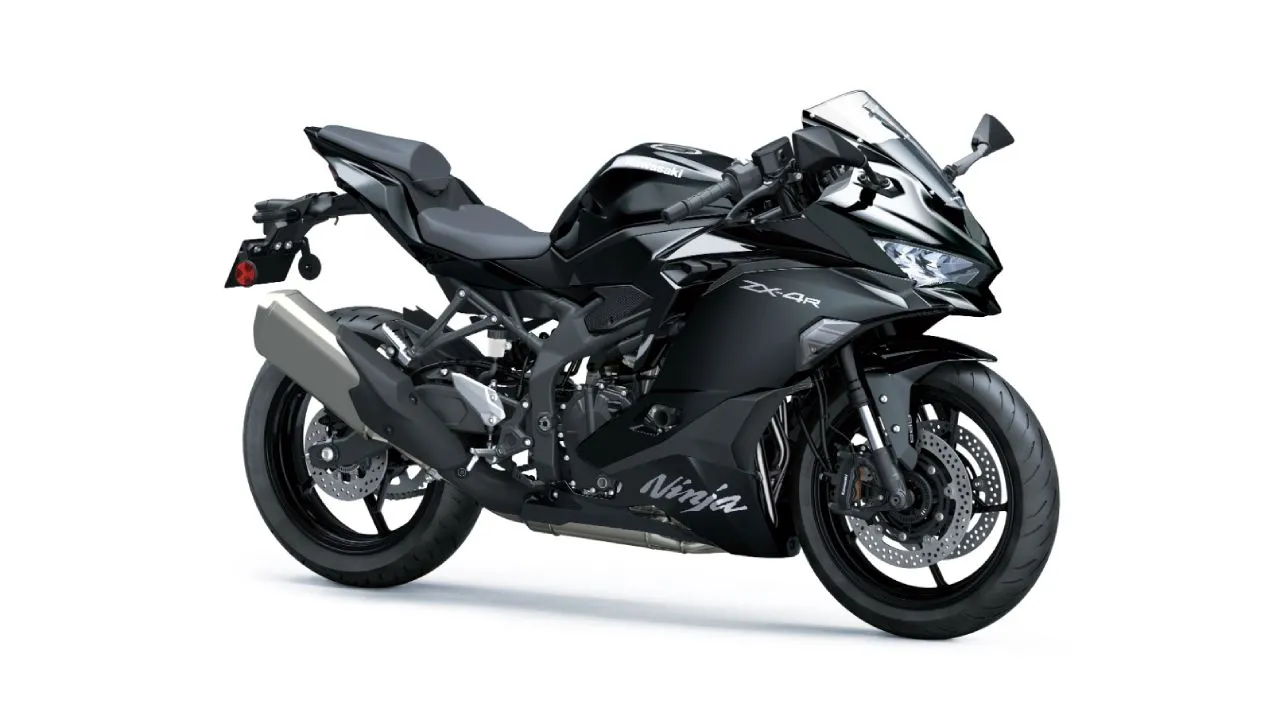
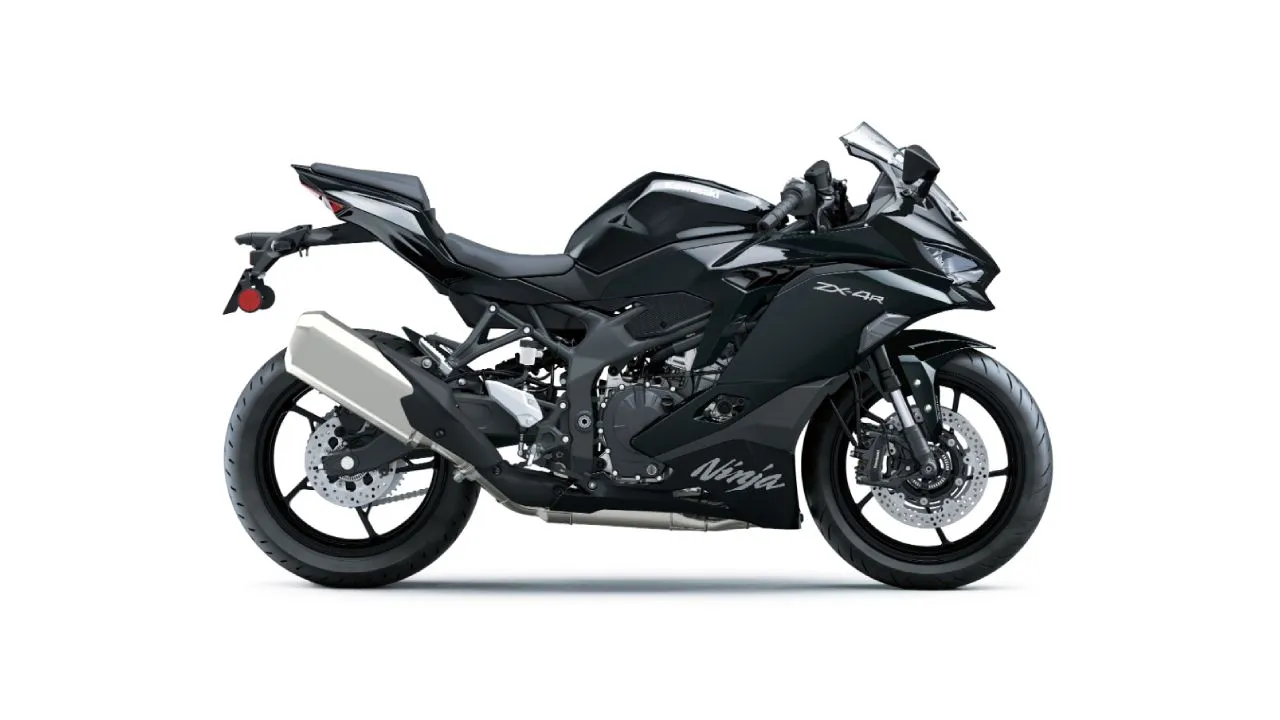
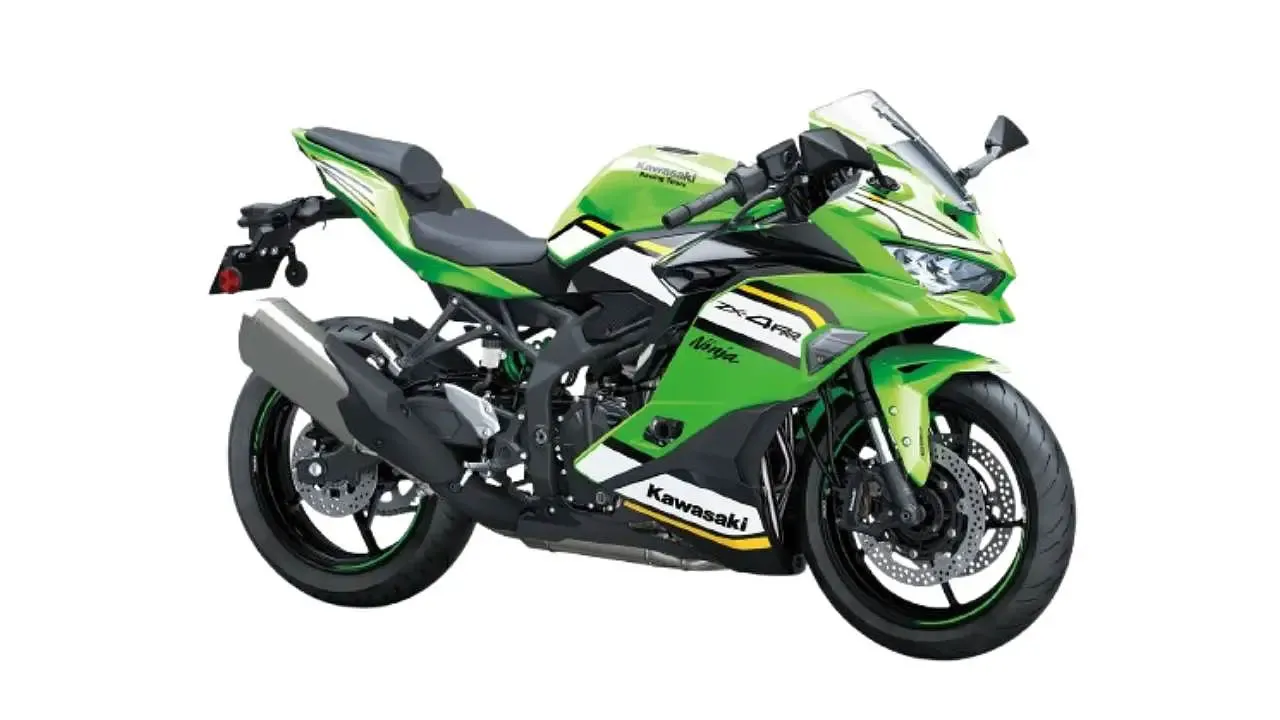
Kawasaki Ninja ZX-4R
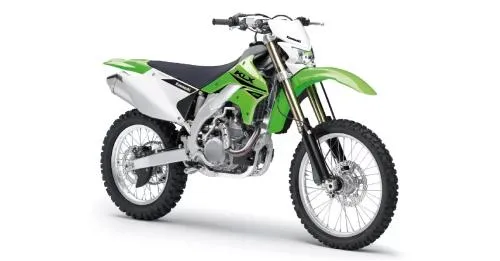
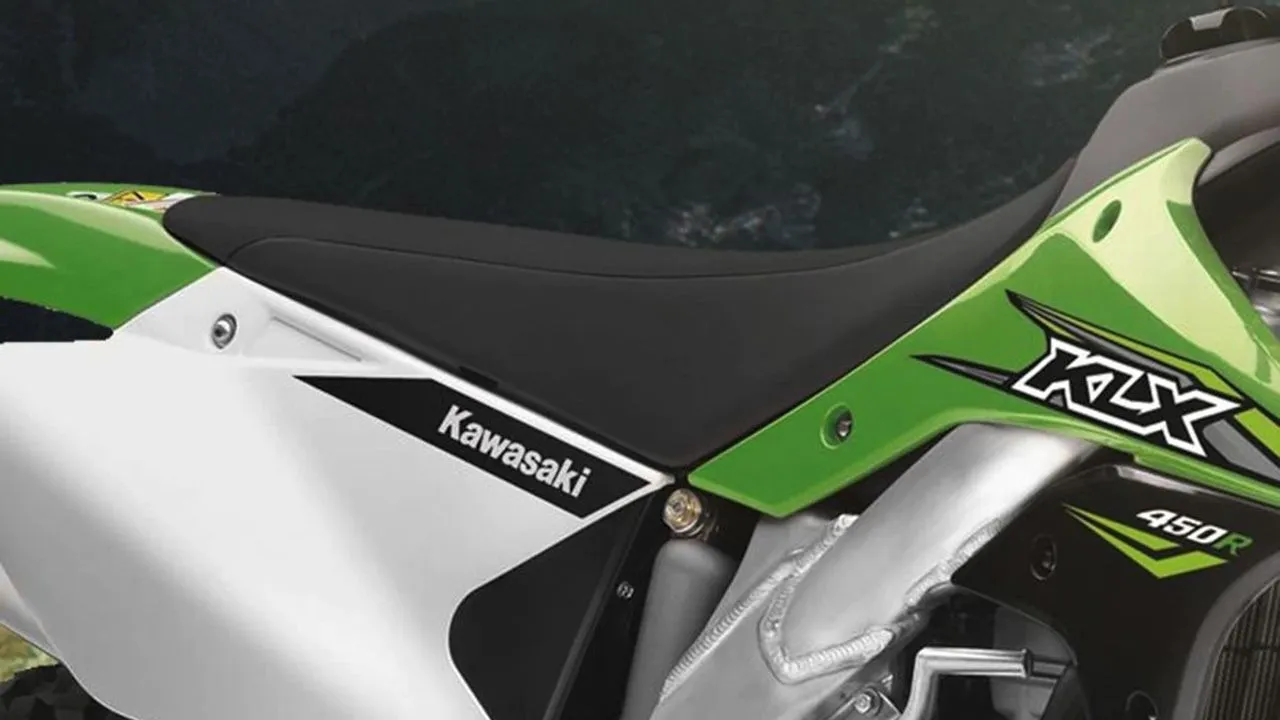
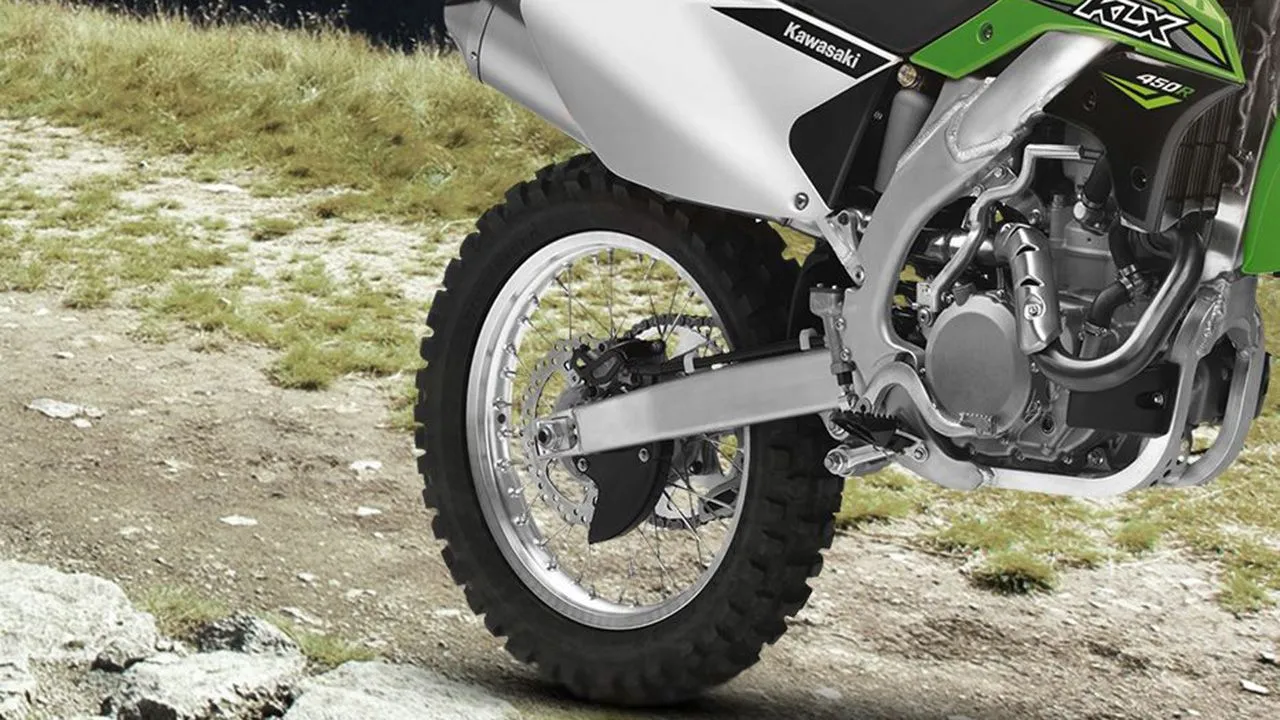
Kawasaki KLX450R
Upcoming Kawasaki Bikes


About Kawasaki Bikes
Kawasaki’s origins go back to 1878 when Shozo Kawasaki established the Kawasaki Tsukiji Shipyard in Tokyo. Eighteen years later, in 1896, it was incorporated as Kawasaki Dockyard Company Limited. Kawasaki made the beginning of Japan’s modern shipbuilding industry and then forayed into numerous heavy industries. It worked in the making of steam turbines, locomotives, and aircraft, and achieved immense success in all its ventures.
In 1949, the company shifted its focus to the motorcycle industry by making motorcycle engines. Kawasaki’s first bike, called Meihatsu, was launched in 1954. This bike had Kawasaki’s own KB-5 engine. An improved model of the Meihatsu was introduced in 1956 which was called the Meihatsu 125 Deluxe.


-1769509701304.webp)
-1769142441095.webp)
-1767087680841.webp)















![Kawasaki Versys 1100 [2026] Metallic Matte Graphenesteel Gray Metallic Diablo Black](https://images.autox.com/uploads/2025/11/Kawasaki-Versys-1100-[2026]-Metallic-Matte-Graphenesteel-Gray-Metallic-Diablo-Black-1763714754931.webp "Kawasaki Versys 1100 [2026] Metallic Matte Graphenesteel Gray Metallic Diablo Black")
![Kawasaki Versys-X 300 [2026] Candy Lime Green Metallic Flat Spark Black](https://images.autox.com/uploads/2025/11/Kawasaki-Versys-X-300-[2026]-Candy-Lime-Green-Metallic-Flat-Spark-Black-1763714791699.webp "Kawasaki Versys-X 300 [2026] Candy Lime Green Metallic Flat Spark Black")

![Kawasaki Z650RS [2026] Metallic Ocean Blue](https://images.autox.com/uploads/2026/01/Kawasaki-Z650RS-[2026]-Metallic-Ocean-Blue--1767871388888.webp "Kawasaki Z650RS [2026] Metallic Ocean Blue")